

How Does a Grinding Mill Improve Mineral Processing Efficiency?
2026-07-23
Article Summary
A grinding mill is one of the most important pieces of equipment in modern mineral processing and industrial production. It plays a critical role in reducing raw materials into fine particles, improving material utilization, and ensuring stable downstream processing. However, many companies face challenges such as high energy consumption, inconsistent particle size, excessive maintenance costs, and low production efficiency.
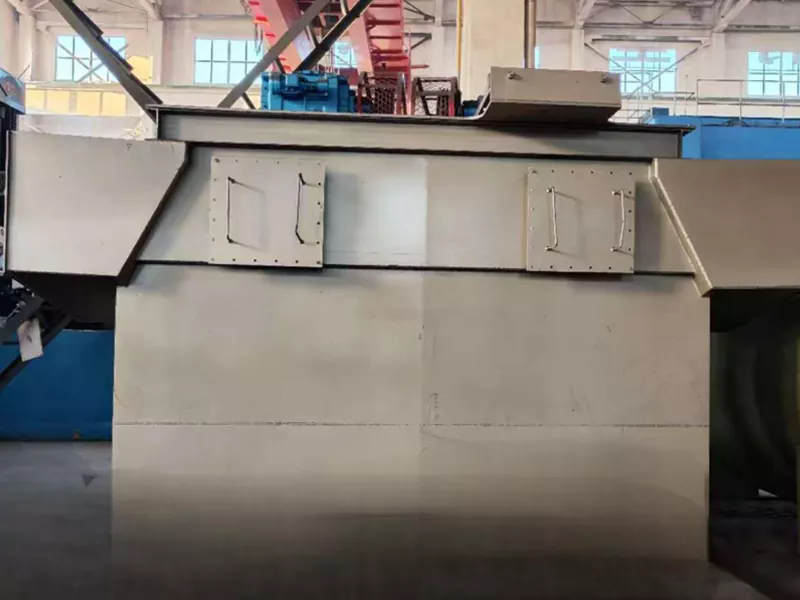
This article explains how a grinding mill works, why it is essential for different industries, what factors influence grinding performance, and how advanced solutions from EPIC help businesses achieve more reliable and efficient material processing.
Table of Contents
- What Is a Grinding Mill?
- How Does a Grinding Mill Work?
- Why Is a Grinding Mill Important for Industrial Applications?
- How to Choose the Right Grinding Mill?
- Key Factors Affecting Grinding Performance
- Common Applications of Grinding Mills
- How to Improve Grinding Mill Performance?
- Frequently Asked Questions
Article Outline
- Understanding the basic function and structure of a grinding mill
- Exploring the working principles behind efficient grinding
- Analyzing industrial benefits and production improvements
- Choosing suitable grinding equipment according to material requirements
- Maintaining equipment for long-term reliability
- Answering common questions about grinding mill applications
What Is a Grinding Mill?
A grinding mill is an industrial machine designed to crush and grind solid materials into smaller particles or fine powder. It is widely used in mining, chemical processing, pharmaceutical production, construction materials, food processing, and many other industries.
Unlike simple crushing equipment, a grinding mill focuses on achieving precise particle size control. This capability is especially important when manufacturers require consistent material quality for further processing.
Modern grinding mills are developed with advanced engineering concepts to improve energy efficiency, reduce material waste, and provide stable operation. EPIC provides professional grinding solutions designed to meet different production requirements and material characteristics.
How Does a Grinding Mill Work?
The working process of a grinding mill generally involves feeding, grinding, classification, and collection. Although different models may use different technologies, the basic principle remains focused on applying mechanical force to reduce particle size.
- Material Feeding: Raw materials enter the grinding chamber through a controlled feeding system.
- Grinding Process: Internal components generate impact, compression, friction, or shear forces to break materials into smaller particles.
- Particle Classification: A classification system separates particles according to size requirements.
- Finished Product Collection: Qualified fine powder is collected, while oversized particles may return for further grinding.
The efficiency of a grinding mill depends on multiple factors, including material hardness, moisture content, feed size, grinding speed, and equipment design. Selecting suitable equipment helps manufacturers achieve higher productivity while reducing operating expenses.
Why Is a Grinding Mill Important for Industrial Applications?
Many industries require precise particle size reduction to improve product performance. A high-quality grinding mill provides several advantages that directly influence production efficiency and product quality.
- Improved Material Fineness: Grinding mills can produce uniform particle sizes required for advanced manufacturing processes.
- Higher Production Efficiency: Optimized grinding systems allow continuous operation and increased output.
- Reduced Energy Consumption: Advanced designs help minimize unnecessary power usage during grinding.
- Better Product Consistency: Stable grinding performance ensures reliable quality between production batches.
- Lower Maintenance Requirements: Durable components extend equipment service life and reduce downtime.
How to Choose the Right Grinding Mill?
Choosing an appropriate grinding mill requires careful consideration of material properties and production goals. Using unsuitable equipment may lead to poor grinding results, increased energy costs, and unnecessary maintenance problems.
- Material Characteristics: Hardness, abrasiveness, moisture level, and chemical properties affect equipment selection.
- Required Particle Size: Different applications require different levels of grinding precision.
- Production Capacity: The equipment should match the expected production volume.
- Energy Efficiency: Efficient designs help control long-term operating costs.
- Maintenance Convenience: Easy inspection and replacement of components improve operational stability.
Key Factors Affecting Grinding Performance
Grinding efficiency is influenced by both equipment technology and operating conditions. Understanding these factors helps companies optimize production processes.
- Feed Size: Smaller and properly prepared materials usually require less grinding energy.
- Grinding Media or Grinding Components: The design and quality of internal grinding parts influence efficiency and wear resistance.
- Operating Parameters: Speed, airflow, temperature, and feeding rate must be properly adjusted.
- Classification Accuracy: Precise separation improves final product quality.
Common Applications of Grinding Mills
Grinding mills are essential equipment across many industries because they provide controlled particle size reduction.
- Mining Industry: Used for processing ores and minerals to improve extraction efficiency.
- Chemical Industry: Helps produce fine powders with consistent characteristics.
- Building Materials: Used for grinding materials such as limestone, cement raw materials, and other mineral products.
- New Materials: Supports the preparation of advanced powders for specialized applications.
- Pharmaceutical and Food Industries: Enables precise grinding for specific product requirements.
How to Improve Grinding Mill Performance?
Proper operation and maintenance are essential for maximizing grinding mill efficiency. Companies can improve equipment reliability through several practical methods.
- Regular Equipment Inspection: Check wear parts, lubrication systems, and operating conditions regularly.
- Optimize Operating Parameters: Adjust feeding speed and grinding conditions according to material changes.
- Use Suitable Spare Parts: High-quality replacement components help maintain stable performance.
- Monitor Production Data: Tracking operating information helps identify potential problems early.
- Work with Experienced Manufacturers: Professional technical support can improve equipment selection and long-term operation.
Why Choose EPIC Grinding Mill Solutions?
EPIC focuses on providing advanced powder processing and grinding solutions for customers worldwide. With professional experience in material processing technology, EPIC develops grinding equipment designed for efficiency, precision, and reliability.
EPIC grinding mills are engineered according to different customer requirements, including material characteristics, production capacity, and final particle size expectations. Through customized solutions and technical support, EPIC helps industries improve productivity and achieve more stable manufacturing results.
Whether for mineral processing, chemical production, or advanced material preparation, selecting the right grinding technology is essential for long-term business success.
Frequently Asked Questions
1. What materials can be processed by a grinding mill?
Grinding mills can process various materials, including minerals, chemicals, construction materials, and many industrial powders. The suitable equipment depends on material properties and required fineness.
2. How does a grinding mill improve production efficiency?
A grinding mill improves efficiency by providing controlled particle size reduction, stable operation, reduced material waste, and optimized energy consumption.
3. What factors should be considered before purchasing a grinding mill?
Customers should consider material characteristics, production capacity, final particle size requirements, energy consumption, maintenance needs, and manufacturer support.
4. How often should a grinding mill be maintained?
Maintenance frequency depends on operating conditions, material abrasiveness, and production intensity. Regular inspections help prevent unexpected downtime.
5. Can EPIC provide customized grinding mill solutions?
Yes. EPIC provides customized grinding solutions based on customer requirements, including material testing, equipment selection, and production process optimization.
Conclusion
A grinding mill is a key component for industries that require efficient and precise powder processing. By selecting suitable equipment, optimizing operating conditions, and maintaining the system properly, businesses can improve productivity, reduce costs, and achieve consistent product quality.
EPIC is committed to delivering reliable grinding solutions that support different industrial applications. For professional grinding technology, customized equipment recommendations, and complete processing solutions, please contact us today.