

How Does a Heating Cooling Heat Pump Improve Year-Round Indoor Comfort?
2026-04-13
Abstract:
A heating cooling heat pump is one of the most efficient and versatile climate control systems available for residential, commercial, and industrial spaces. Unlike traditional HVAC systems that generate heat separately or rely on separate cooling units, heat pumps transfer heat intelligently to provide both heating and cooling from a single system. This article explains how heating cooling heat pumps work, why they reduce energy waste, and how to choose the right system for your needs. Whether you are upgrading an outdated HVAC setup or planning a new installation, understanding this technology can help lower operating costs and improve indoor comfort.
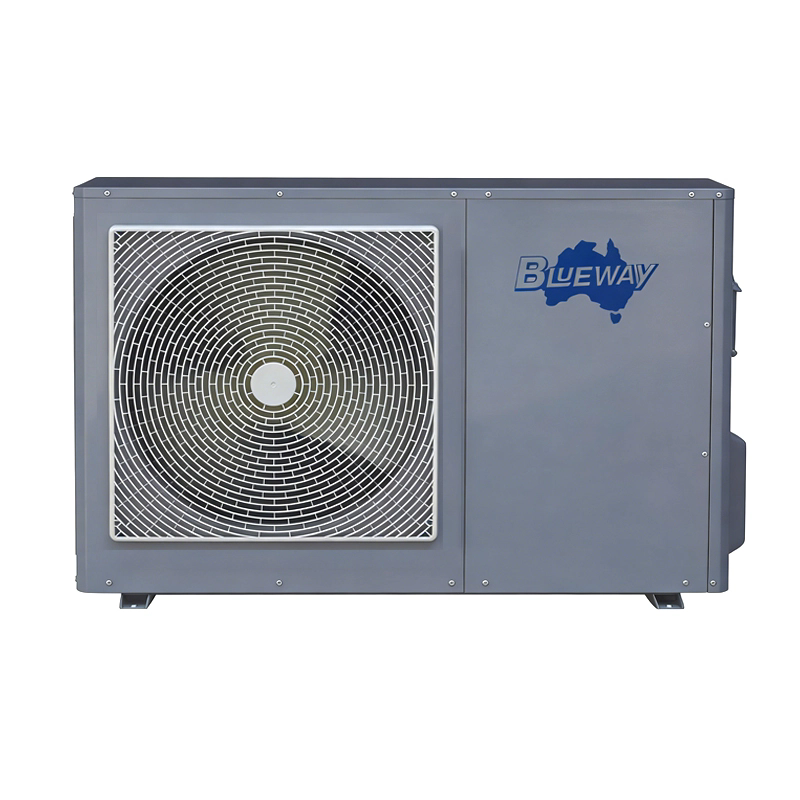
Table of Contents
- What Is a Heating Cooling Heat Pump?
- How Does a Heating Cooling Heat Pump Work?
- Common Customer Pain Points Solved by Heat Pumps
- Key Benefits of Heating Cooling Heat Pump Systems
- Heat Pump vs Traditional HVAC Systems
- How to Choose the Right Heating Cooling Heat Pump
- Applications Across Different Buildings
- Maintenance Tips for Long-Term Performance
- FAQ
- Conclusion
What Is a Heating Cooling Heat Pump?
A heating cooling heat pump is an advanced air-conditioning system that provides both heating and cooling by moving heat instead of generating it directly. In summer, it extracts heat from indoor air and releases it outside. In winter, it reverses the process, absorbing heat from outdoor air and transferring it indoors.
This dual-purpose operation makes heat pumps highly efficient compared with furnaces, boilers, or separate air conditioning systems.
How Does a Heating Cooling Heat Pump Work?
The operating principle is based on refrigerant circulation and heat exchange. A heat pump system includes:
- Compressor
- Evaporator coil
- Condenser coil
- Expansion valve
- Reversing valve
During cooling mode:
- Indoor heat is absorbed into refrigerant
- The compressor pressurizes refrigerant
- Heat is released outdoors
During heating mode:
- The reversing valve changes refrigerant direction
- Outdoor heat is captured
- Warm air is delivered indoors
Even in cold weather, modern systems can extract ambient heat effectively.
Common Customer Pain Points Solved by Heat Pumps
Many users switch to heat pumps because conventional HVAC systems create recurring problems:
| Customer Problem | How Heat Pumps Solve It |
|---|---|
| High electricity bills | Uses less energy through heat transfer technology |
| Separate heating and cooling equipment costs | Combines both functions in one unit |
| Uneven room temperatures | Provides balanced airflow and precise temperature control |
| Complex maintenance requirements | Simplified integrated system reduces servicing burden |
| Environmental concerns | Lower carbon emissions than fuel-burning systems |
Key Benefits of Heating Cooling Heat Pump Systems
1. Energy Efficiency
Because heat pumps transfer heat instead of generating it, they can deliver several units of heating or cooling for every unit of electricity consumed.
2. Year-Round Comfort
One system maintains comfortable indoor temperatures in every season.
3. Lower Operating Costs
Reduced energy consumption often leads to significant long-term savings.
4. Space Saving Design
Integrated heating and cooling eliminate the need for multiple separate systems.
5. Cleaner Indoor Environment
Many systems include advanced filtration to improve indoor air quality.
Heat Pump vs Traditional HVAC Systems
| Feature | Heating Cooling Heat Pump | Traditional HVAC |
|---|---|---|
| Heating Method | Heat transfer | Fuel combustion/electric resistance |
| Cooling Included | Yes | Separate AC often needed |
| Energy Consumption | Lower | Higher |
| Installation Complexity | Moderate | Often more complex |
| Environmental Impact | Lower emissions | Higher emissions |
How to Choose the Right Heating Cooling Heat Pump
Selecting the correct unit depends on several factors:
- Building size and insulation level
- Climate conditions
- Required heating and cooling load
- Noise limitations
- Installation space
- Energy performance ratings
Blueway offers advanced heating cooling heat pump solutions designed for residential, commercial, and industrial applications, combining reliability with high-performance engineering.
To explore product specifications, you can review Blueway’s product page here: Heating Cooling Heat Pump
Applications Across Different Buildings
Heating cooling heat pumps are widely used in:
- Private homes and apartments
- Hotels and resorts
- Office buildings
- Hospitals and healthcare facilities
- Factories and warehouses
- Retail shopping centers
Their adaptability makes them suitable for both retrofit projects and new construction developments.
Maintenance Tips for Long-Term Performance
To keep a heat pump operating efficiently:
- Clean filters regularly
- Inspect refrigerant levels annually
- Keep outdoor units free from debris
- Check airflow pathways
- Schedule professional servicing twice a year
Routine maintenance extends equipment lifespan and protects energy efficiency.
FAQ
Q1: Can a heating cooling heat pump work in very cold climates?
Yes. Modern cold-climate heat pumps are engineered to perform efficiently even in sub-zero outdoor temperatures.
Q2: Is installation expensive?
Initial installation costs may be higher than traditional systems, but long-term savings often offset the upfront investment.
Q3: How long does a heat pump last?
With proper maintenance, most systems last 10–20 years.
Q4: Are heat pumps noisy?
Most modern models operate quietly, especially inverter-driven units.
Q5: Why choose Blueway heat pump solutions?
Blueway systems are recognized for durable construction, advanced technology integration, and efficient thermal performance across diverse environments.
Conclusion
A heating cooling heat pump is an intelligent investment for anyone seeking efficient, all-season climate control with lower operating costs and reduced environmental impact. By combining heating and cooling into one streamlined solution, these systems solve many of the inefficiencies associated with conventional HVAC equipment.
If you are looking for dependable, high-performance heat pump solutions tailored to your project needs, Blueway is ready to help. Contact us today to find the ideal heating cooling heat pump system for your application and upgrade your comfort with confidence.