Abstract
A High Speed Diesel Genset is a compact, high-performance power generation system designed to deliver stable and continuous electricity in demanding environments.
This article explains its working principles, key components, advantages, selection criteria, and real-world applications. It also addresses common customer concerns
such as fuel efficiency, maintenance cost, noise control, and operational reliability. The goal is to help industrial users, project contractors, and facility managers
understand how to choose the right diesel generator set for long-term performance and operational security.
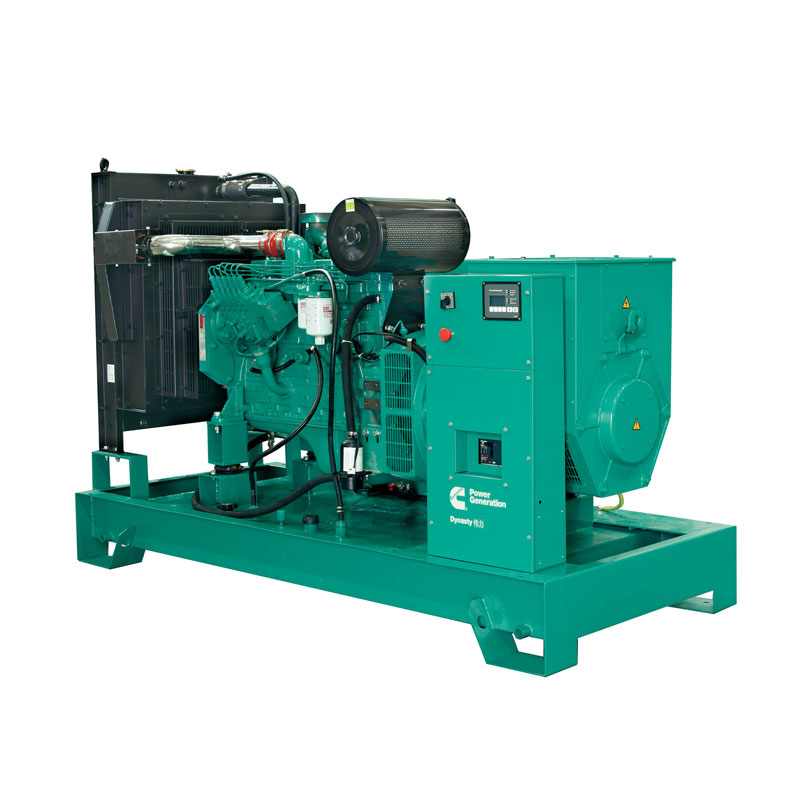
1. Overview of High Speed Diesel Genset
A High Speed Diesel Genset is a power generation unit that combines a high-speed diesel engine with an alternator to produce electricity efficiently.
Unlike low-speed industrial generators, high-speed models operate at higher RPMs, typically 1500–3000 RPM depending on frequency standards.
This design enables a smaller footprint, faster response to load changes, and improved power density.
These systems are widely used in industries where uninterrupted power is critical, including construction, data centers, hospitals, mining operations,
and emergency backup systems. Modern designs focus on balancing fuel efficiency, emission control, and long-term durability.
2. Working Principle Explained
The operation of a High Speed Diesel Genset is based on a straightforward energy conversion process: chemical energy in diesel fuel is converted into mechanical energy,
and then into electrical energy.
The diesel engine ignites fuel through compression ignition. The resulting combustion drives the crankshaft at high speed. This mechanical rotation is transferred
directly to the alternator, where electromagnetic induction produces alternating current (AC) electricity.
A governor system continuously regulates engine speed to maintain stable frequency output, while an automatic voltage regulator ensures consistent voltage levels
even under fluctuating loads.
3. Key Components and Their Roles
Understanding the core components helps users diagnose issues and optimize performance. A typical High Speed Diesel Genset includes the following systems:
-
Diesel Engine: The primary power source converting fuel into mechanical energy.
-
Alternator: Converts mechanical rotation into electrical power using electromagnetic induction.
-
Fuel System: Ensures stable fuel delivery and combustion efficiency.
-
Cooling System: Prevents overheating during continuous operation.
-
Control Panel: Monitors voltage, frequency, and load conditions.
-
Exhaust System: Manages emissions and reduces environmental impact.
-
Base Frame: Provides structural stability and vibration control.
4. Core Advantages for Industrial Applications
High Speed Diesel Gensets are preferred in many industries due to their balance of performance, size, and cost efficiency. Their key advantages include:
-
High Power Density: More output power in a smaller physical footprint.
-
Fast Response: Quick startup and load acceptance during power interruptions.
-
Fuel Efficiency: Optimized combustion reduces fuel consumption per kWh.
-
Flexibility: Suitable for both standby and prime power applications.
-
Scalability: Can be paralleled for higher power demand.
-
Cost Efficiency: Lower installation and transportation costs compared to large low-speed systems.
5. How to Select the Right Genset
Choosing the correct High Speed Diesel Genset requires careful evaluation of operational requirements and environmental conditions. Key factors include:
-
Power Rating: Ensure adequate capacity for peak load demands.
-
Fuel Consumption: Compare efficiency at different load levels.
-
Duty Cycle: Determine whether the unit is for standby, prime, or continuous use.
-
Noise Level: Important for urban or residential applications.
-
Emission Compliance: Must meet local environmental regulations.
-
Maintenance Accessibility: Ease of servicing reduces downtime.
Industrial buyers often collaborate with experienced manufacturers to ensure correct sizing and configuration.
Companies like Ningbo Megawatt Machinery Co., Ltd. provide tailored solutions based on specific engineering requirements.
6. Typical Application Scenarios
High Speed Diesel Gensets are used across multiple sectors where stable electricity supply is non-negotiable:
-
Construction Sites: Temporary power for heavy machinery and tools.
-
Data Centers: Backup systems to prevent data loss and downtime.
-
Healthcare Facilities: Emergency power for critical medical equipment.
-
Manufacturing Plants: Continuous production support during grid instability.
-
Mining Operations: Remote energy supply in off-grid locations.
-
Commercial Buildings: Emergency lighting and essential systems.
7. Maintenance and Operational Challenges
While High Speed Diesel Gensets are robust, proper maintenance is essential for long-term reliability. Common operational challenges include fuel contamination,
overheating, and wear on moving parts due to high RPM operation.
Recommended maintenance practices include:
-
Regular oil and filter replacement to ensure engine lubrication.
-
Cooling system inspection to prevent thermal stress.
-
Fuel system cleaning to avoid injector blockage.
-
Periodic load testing to verify performance stability.
-
Battery and electrical system checks for reliable startup.
Preventive maintenance significantly extends equipment lifespan and reduces unexpected downtime.
8. Frequently Asked Questions
Q1: What makes a High Speed Diesel Genset different from a low-speed generator?
High speed units operate at higher RPM, making them more compact and responsive, while low-speed generators are larger but often more durable for continuous heavy-duty use.
Q2: Are high speed diesel gensets fuel efficient?
Yes, modern designs optimize combustion efficiency and load response, improving fuel economy especially under variable load conditions.
Q3: How long can a diesel genset run continuously?
Depending on fuel supply and maintenance condition, many units can operate continuously for extended periods, particularly in prime power applications.
Q4: Can these gensets be used in parallel systems?
Yes, multiple units can be synchronized to meet higher power demands or provide redundancy in critical installations.
Q5: What industries benefit most from high speed diesel gensets?
Industries requiring reliable backup or off-grid power, such as healthcare, construction, manufacturing, and data infrastructure, benefit significantly.
Conclusion
High Speed Diesel Gensets remain a cornerstone of modern industrial power infrastructure due to their efficiency, adaptability, and reliability.
When properly selected and maintained, they provide stable energy support across diverse operational environments.
Partnering with experienced manufacturers ensures optimal system configuration and long-term performance stability.
Ningbo Megawatt Machinery Co., Ltd. delivers engineered diesel generator solutions designed to meet demanding industrial standards and customized project requirements.
For professional consultation, technical specifications, or tailored power solutions, please contact us to discuss your project requirements and receive expert support.