

How Does a Mold Temperature Controller Improve Injection Molding Efficiency?
2026-05-29
Injection molding manufacturers face constant pressure to improve production stability, reduce defects, shorten cycle times, and lower energy consumption. A Mold Temperature Controller plays a critical role in achieving these goals by maintaining precise mold temperature throughout the manufacturing process. This article explains how mold temperature controllers work, their advantages, application scenarios, selection tips, maintenance methods, and why choosing a reliable supplier like AQWK can help businesses improve productivity and product quality.
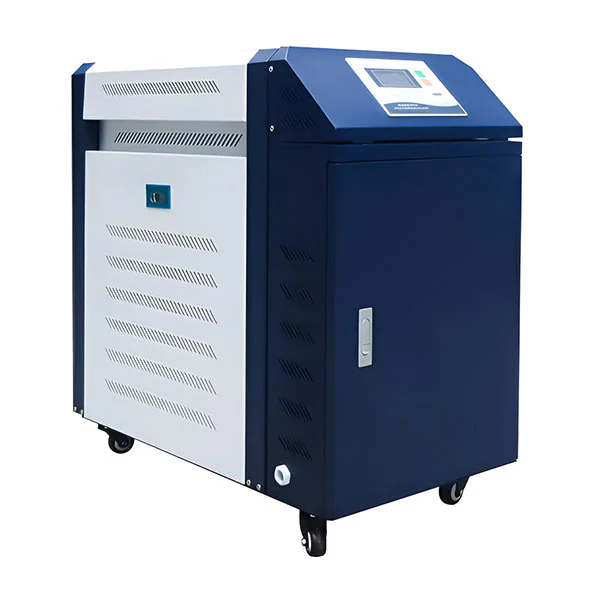
Table of Contents
- 1. What Is a Mold Temperature Controller?
- 2. How Does a Mold Temperature Controller Work?
- 3. Why Mold Temperature Control Is Important
- 4. Main Benefits of Using a Mold Temperature Controller
- 5. Common Industrial Applications
- 6. How to Choose the Right Mold Temperature Controller
- 7. Maintenance Tips for Long-Term Performance
- 8. Water Type vs Oil Type Mold Temperature Controllers
- 9. Frequently Asked Questions
- 10. Conclusion
What Is a Mold Temperature Controller?
A Mold Temperature Controller (MTC) is an industrial temperature regulation system used to heat and maintain stable mold temperatures during manufacturing processes such as injection molding, die casting, rubber molding, and composite forming.
The equipment circulates water or thermal oil through the mold channels to precisely control heating and cooling. Maintaining consistent mold temperature helps manufacturers improve product appearance, dimensional accuracy, molding efficiency, and material flow.
Modern mold temperature controllers are equipped with intelligent digital control systems, safety protection functions, automatic alarms, and energy-saving technologies that support continuous industrial operation.
- Heating system
- Circulation pump
- Temperature sensors
- Heat exchanger
- Control panel
- Safety protection devices
- Cooling solenoid valve
How Does a Mold Temperature Controller Work?
A mold temperature controller operates by circulating a heat transfer medium through the mold to achieve a stable and controlled processing temperature.
The process usually follows these steps:
- The operator sets the target mold temperature through the digital controller.
- The heating element heats water or thermal oil.
- The circulation pump delivers the heated medium into the mold channels.
- Sensors monitor real-time mold temperature.
- The controller automatically adjusts heating and cooling to maintain the desired temperature.
- Excess heat is removed through the cooling system when necessary.
This closed-loop temperature management system ensures stable production conditions throughout the molding cycle.
Stable mold temperature directly affects product surface finish, shrinkage rate, internal stress, transparency, and overall molding consistency.
Why Mold Temperature Control Is Important
In injection molding and other industrial forming processes, temperature instability can lead to serious manufacturing issues.
If the mold temperature is too low, molten material may not flow properly, causing incomplete filling, flow marks, weld lines, and weak structural performance.
If the mold temperature is too high, cycle time may increase, product deformation may occur, and material degradation can become a problem.
Using a high-quality mold temperature controller helps manufacturers maintain precise thermal balance, resulting in:
- Stable production quality
- Reduced defective products
- Improved molding precision
- Faster startup time
- Lower material waste
- Improved production efficiency
Main Benefits of Using a Mold Temperature Controller
| Benefit | Description |
|---|---|
| Improved Product Quality | Ensures consistent molding conditions and reduces visible defects. |
| Shorter Cycle Time | Optimized temperature accelerates material solidification and improves efficiency. |
| Energy Savings | Modern systems reduce unnecessary heating and cooling consumption. |
| Extended Mold Life | Stable thermal conditions reduce stress and mold damage. |
| Lower Reject Rate | Prevents deformation, bubbles, cracks, and dimensional inconsistencies. |
| Better Surface Finish | Improves gloss, texture quality, and product appearance. |
Common Industrial Applications
Mold temperature controllers are widely used in various manufacturing industries where precise thermal management is required.
| Industry | Application |
|---|---|
| Plastic Injection Molding | Maintains stable mold temperature for plastic products. |
| Die Casting | Controls metal mold heating for improved casting quality. |
| Rubber Industry | Supports rubber vulcanization processes. |
| Composite Materials | Provides accurate curing temperatures. |
| Food Packaging | Improves packaging consistency and efficiency. |
| Automotive Manufacturing | Supports precision molding for automotive parts. |
How to Choose the Right Mold Temperature Controller
Selecting the correct mold temperature controller depends on production requirements, mold structure, processing material, and operating temperature range.
Before purchasing equipment, manufacturers should evaluate the following factors carefully:
- Required temperature range
- Heating capacity
- Cooling efficiency
- Pump flow rate
- Type of heat transfer medium
- Production environment
- Automation compatibility
- Safety features
- Energy efficiency
Water-type mold temperature controllers are generally suitable for lower temperature applications, while oil-type systems are designed for higher temperature industrial processes.
Choosing undersized equipment may lead to unstable temperature control, reduced production efficiency, and higher maintenance costs.
Maintenance Tips for Long-Term Performance
Regular maintenance helps extend equipment lifespan and maintain reliable operation.
Recommended maintenance practices include:
- Inspect circulation pumps regularly
- Clean filters and pipelines
- Check heating elements for scaling
- Monitor oil or water quality
- Inspect electrical connections
- Calibrate temperature sensors periodically
- Test safety alarms and protection systems
Preventive maintenance can significantly reduce unexpected downtime and repair costs.
Water Type vs Oil Type Mold Temperature Controllers
| Feature | Water Type | Oil Type |
|---|---|---|
| Temperature Range | Lower | Higher |
| Heat Transfer Speed | Fast | Moderate |
| Maintenance | Easy | Requires oil management |
| Operating Cost | Lower | Higher |
| Best Application | Standard molding | High-temperature molding |
Frequently Asked Questions
What temperature range can a mold temperature controller handle?
Different models support different ranges. Water-type units typically operate below 120°C, while oil-type systems can exceed 300°C.
Why is mold temperature stability important?
Stable temperature improves molding consistency, reduces defects, enhances surface quality, and shortens cycle time.
Can one controller support multiple molds?
Yes. Some industrial systems are designed to support multiple mold circuits depending on capacity and process requirements.
How often should maintenance be performed?
Routine inspection is recommended monthly, while comprehensive preventive maintenance should be scheduled based on operating hours and production intensity.
Conclusion
A Mold Temperature Controller is an essential component in modern industrial manufacturing. It helps manufacturers achieve precise temperature management, improve product quality, reduce production defects, increase operational efficiency, and extend mold lifespan.
As manufacturing standards continue to rise, investing in reliable temperature control equipment becomes increasingly important for maintaining competitive production capabilities.
AQWK provides professional Mold Temperature Controller solutions designed for stable performance, energy efficiency, and long-term industrial reliability. Whether you require water-type or oil-type systems, AQWK can provide customized solutions for different manufacturing applications.
Contact AQWK for Professional Mold Temperature Controller Solutions
Looking for reliable industrial temperature control equipment for your production line?
AQWK offers high-performance Mold Temperature Controllers designed to improve molding precision, production efficiency, and operational stability.
Contact us today to learn more about customized industrial temperature control solutions for your business.