

How Does a Monolayer Film Blowing Machine Work?
2026-06-25
Article Abstract
A Monolayer Film Blowing Machine is a core piece of equipment in modern plastic processing industries, widely used for producing high-quality single-layer plastic films. This article explains its working principles, core components, applications, advantages, and maintenance practices in detail. It also helps buyers and operators understand how to select the right machine, avoid common operational issues, and improve production efficiency while maintaining product consistency.
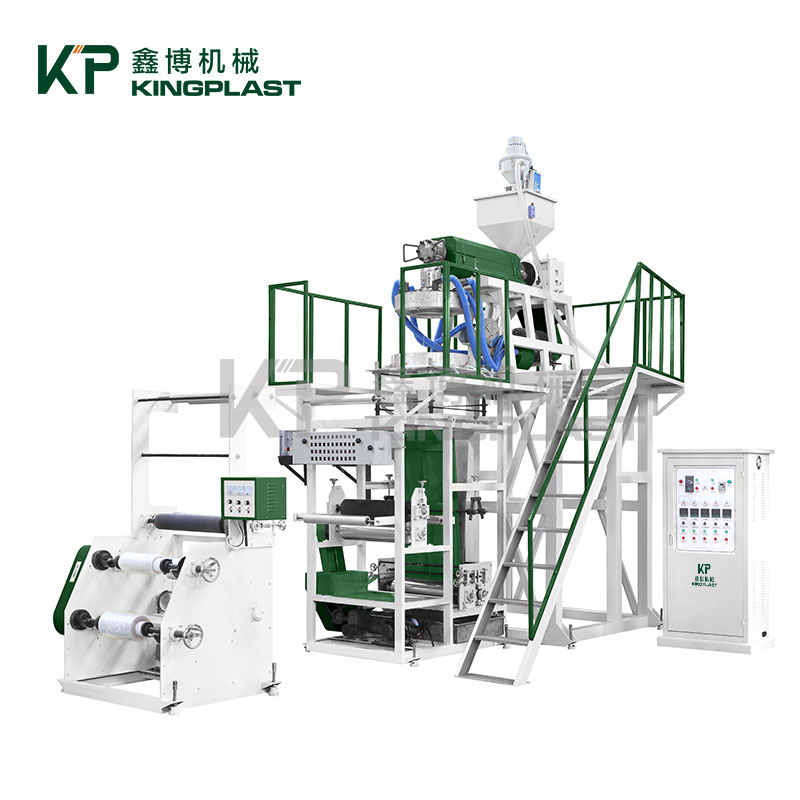
Table of Contents
- Outline Overview
- Introduction
- What is a Monolayer Film Blowing Machine?
- Working Principle
- Key Components
- Advantages
- Applications
- Operational Challenges & Troubleshooting
- Maintenance Guidelines
- Buying Considerations
- Why Ruian Kingplast Machinery Co., Ltd.
- FAQ
- Conclusion
Outline Overview
This article is structured to guide readers from fundamental concepts to advanced operational knowledge of monolayer film blowing systems. It covers machine structure, extrusion behavior, film formation physics, and industrial use cases, followed by maintenance and procurement insights.
- Understanding machine fundamentals
- Production workflow and extrusion principles
- Component-level breakdown
- Performance benefits and industrial applications
- Operational issues and maintenance solutions
- Supplier selection and procurement strategy
Introduction
Plastic film production is a cornerstone of packaging, agriculture, and industrial manufacturing. Among various technologies, the Monolayer Film Blowing Machine remains one of the most widely adopted systems due to its simplicity, cost efficiency, and stable output quality.
For manufacturers aiming to produce consistent polyethylene (PE) or polypropylene (PP) films, understanding the operational logic of this machine is essential. Whether used for food packaging, shopping bags, or agricultural covers, the machine transforms raw plastic resin into uniform film through controlled extrusion and air inflation.
What is a Monolayer Film Blowing Machine?
A Monolayer Film Blowing Machine is a type of extrusion equipment designed to melt plastic granules and convert them into a single-layer tubular film. The molten polymer is extruded through a circular die and inflated into a bubble using compressed air. After cooling and flattening, the film is wound into rolls for further processing.
Unlike multi-layer systems, monolayer machines focus on simplicity and stability, making them ideal for businesses requiring cost-effective and reliable film production.
Working Principle
The working process of a Monolayer Film Blowing Machine involves several key stages:
- Material Feeding: Plastic granules (PE/PP) are fed into the hopper.
- Melting & Plasticizing: The screw barrel heats and melts the raw material.
- Extrusion: Molten plastic is pushed through a circular die head.
- Bubble Formation: Air is injected to expand the molten tube into a bubble.
- Cooling: Air rings cool the film to stabilize structure.
- Collapsing & Winding: The film bubble is flattened and rolled.
This continuous process ensures stable film thickness, controlled width, and consistent mechanical properties.
Key Components
A monolayer film blowing system is composed of several critical units that work in synchronization:
- Extruder Unit: Responsible for melting and pushing raw material.
- Die Head: Shapes molten polymer into tubular form.
- Air Ring System: Controls cooling speed and film clarity.
- Haul-Off Unit: Stabilizes and pulls the film upward.
- Winder: Collects finished film into rolls.
- Control Panel: Manages temperature, speed, and pressure.
Each component plays a crucial role in maintaining film quality and production efficiency.
Advantages
Monolayer Film Blowing Machines offer several industrial advantages:
- Lower investment cost compared to multi-layer systems
- Simplified operation and maintenance
- Stable production output
- High adaptability for PE and PP materials
- Energy-efficient performance
These benefits make it a preferred solution for small to medium-scale production facilities.
Applications
The produced films are widely used across multiple industries:
- Food packaging films
- Shopping and retail bags
- Agricultural mulch films
- Industrial wrapping materials
- Hygiene and medical packaging
Due to its versatility, this machine remains essential in global plastic manufacturing supply chains.
Operational Challenges & Troubleshooting
Despite its stable design, operators may encounter common issues:
- Uneven Thickness: Often caused by inconsistent die temperature.
- Bubble Instability: May result from improper air pressure.
- Low Transparency: Linked to poor cooling efficiency.
- Wrinkled Film: Caused by misaligned rollers or tension imbalance.
Proper calibration and regular inspection significantly reduce production defects.
Maintenance Guidelines
Routine maintenance ensures long-term performance and reduces downtime:
- Clean die head regularly to prevent material buildup
- Inspect heating elements for consistent temperature control
- Lubricate mechanical parts weekly
- Check air ring and cooling system efficiency
- Calibrate sensors and control systems periodically
A preventive maintenance approach extends machine lifespan and stabilizes output quality.
Buying Considerations
When selecting a Monolayer Film Blowing Machine, buyers should consider:
- Production capacity requirements
- Material compatibility (PE, PP, etc.)
- Energy consumption efficiency
- Automation level and control system
- After-sales technical support
Choosing the right configuration ensures long-term production stability and cost efficiency.
Why Ruian Kingplast Machinery Co., Ltd.
Ruian Kingplast Machinery Co., Ltd. is a professional manufacturer specializing in advanced plastic extrusion and film blowing solutions. The company focuses on engineering reliable machinery that supports high efficiency, stable output, and long service life.
With continuous innovation and strict quality control, Kingplast delivers monolayer film blowing systems that meet diverse industrial needs across global markets. Their equipment is designed to improve production consistency while reducing operational complexity.
FAQ
Q1: What materials can a Monolayer Film Blowing Machine process?
It mainly processes polyethylene (PE) and polypropylene (PP), depending on screw and die configuration.
Q2: Is this machine suitable for beginners?
Yes. Its simplified structure and control system make it suitable for operators with basic training.
Q3: How can I improve film quality?
Focus on temperature stability, proper cooling, and consistent air pressure control.
Q4: What is the typical lifespan of the machine?
With proper maintenance, it can operate efficiently for many years, often exceeding a decade.
Conclusion
The Monolayer Film Blowing Machine remains a vital solution for efficient plastic film production. Its simple structure, reliable operation, and wide application scope make it an ideal choice for manufacturers seeking stable output and cost control.
From material feeding to final winding, each stage plays a critical role in ensuring product quality. By understanding its working principles and maintaining proper operational practices, businesses can significantly enhance productivity and reduce waste.
For enterprises seeking dependable machinery and long-term technical support, Ruian Kingplast Machinery Co., Ltd. provides industry-proven solutions tailored to modern production demands.
Contact us today to learn more about advanced Monolayer Film Blowing Machine solutions and discover how we can support your production goals.