

How Does a Nut Part Making Machine Work for Modern Production Needs?
2026-07-03
Abstract
In modern manufacturing industries, efficiency, consistency, and automation are essential for staying competitive. A Nut Part Making Machine plays a crucial role in transforming raw materials into precisely shaped nut components used across food processing, automotive fastening systems, industrial assembly lines, and specialty manufacturing sectors. This article explains how these machines operate, what problems they solve, and how businesses can evaluate their performance and value. It also highlights key features, production benefits, and practical selection guidance, with insights aligned with industrial practices adopted by manufacturers such as Ronen, a professional supplier in this field.
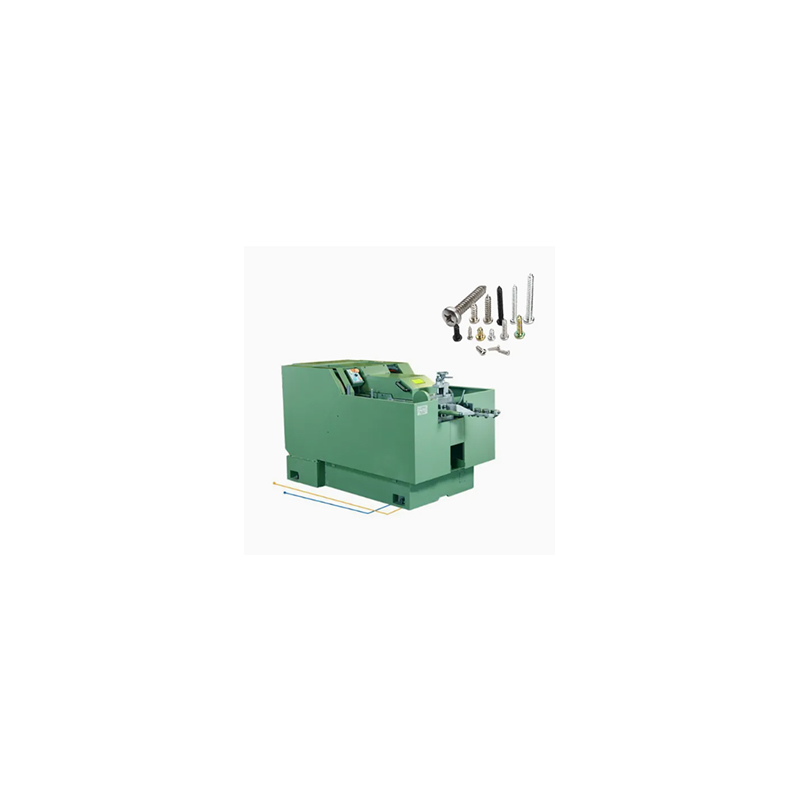
Table of Contents
- 1. Article Outline
- 2. What is a Nut Part Making Machine?
- 3. How the Machine Works
- 4. Core Components Explained
- 5. Key Advantages in Industrial Production
- 6. Manual vs Automated Production
- 7. How to Choose the Right Machine
- 8. Maintenance and Operational Stability
- 9. Frequently Asked Questions
- 10. Final Thoughts
1. Article Outline
This article covers the full operational structure of a Nut Part Making Machine, including its mechanical workflow, production benefits, selection criteria, and maintenance requirements. It also compares manual and automated production systems to help manufacturers understand efficiency gaps and opportunities for improvement.
2. What is a Nut Part Making Machine?
A Nut Part Making Machine is an industrial system designed to produce nut-shaped components with high precision and consistency. Depending on the application, these nuts may be used in food processing (nut snacks, coated nuts, seasoning nuts) or in industrial fastening systems (metal nuts for bolts and assemblies). The machine automates multiple steps such as raw material feeding, forming, shaping, cutting, and sometimes coating or polishing.
Manufacturers like Ronen focus on integrating automation and modular design to ensure stable output, reduced labor dependency, and scalable production capacity.
3. How the Machine Works
The working principle of a Nut Part Making Machine involves a continuous production cycle where raw materials are processed through multiple controlled stages. While the design may vary depending on product type, the general workflow remains consistent.
- Step 1: Raw Material Feeding – Materials such as nut kernels, metal blanks, or composite powders are automatically fed into the system.
- Step 2: Pre-Processing – Materials are cleaned, sorted, or pre-heated depending on production requirements.
- Step 3: Forming or Shaping – Mechanical molds or pressing systems shape the nut components into standardized forms.
- Step 4: Processing – Includes roasting, pressing, polishing, or machining based on industry type.
- Step 5: Cooling and Stabilization – Ensures product integrity and prevents deformation.
- Step 6: Output and Packaging – Finished nut parts are collected, inspected, and prepared for packaging.
This structured workflow ensures high repeatability and minimizes human error in production.
4. Core Components Explained
A Nut Part Making Machine integrates several critical mechanical and electronic components that determine its performance and reliability:
| Component | Function |
|---|---|
| Feeding System | Controls raw material input and ensures consistent flow |
| Forming Unit | Shapes raw materials into nut structures using molds or presses |
| Heating System | Applies controlled thermal processing where required |
| Control Panel | Manages automation settings and production parameters |
| Conveyor System | Transfers products between different processing stages |
Advanced manufacturers like Ronen integrate PLC-based control systems to improve precision and reduce operational complexity.
5. Key Advantages in Industrial Production
Nut Part Making Machines significantly improve manufacturing efficiency and consistency. The key advantages include:
- High Production Efficiency: Continuous operation reduces downtime and increases output.
- Consistency: Each nut part maintains identical size, shape, and quality standards.
- Labor Reduction: Automation minimizes manual intervention.
- Cost Efficiency: Reduced waste and optimized energy usage lower operational costs.
- Scalability: Machines can be upgraded or expanded for larger production demands.
6. Manual vs Automated Production
Understanding the difference between manual and automated systems is essential for manufacturers evaluating investment decisions.
| Feature | Manual Production | Automated Machine |
|---|---|---|
| Output Speed | Low | High |
| Consistency | Variable | Highly consistent |
| Labor Requirement | High | Low |
| Operational Cost | Long-term high | Optimized |
Automation clearly provides a competitive advantage, especially in large-scale manufacturing environments.
7. How to Choose the Right Machine
Selecting the appropriate Nut Part Making Machine requires careful evaluation of production needs and technical specifications.
- Production Capacity: Ensure the machine matches your daily output requirements.
- Material Compatibility: Check whether it supports your intended raw materials.
- Automation Level: Higher automation reduces labor costs.
- Energy Efficiency: Machines with optimized energy usage reduce operational expenses.
- After-Sales Support: Choose suppliers like Ronen that offer technical assistance and spare parts supply.
8. Maintenance and Operational Stability
Regular maintenance is essential to ensure long-term stability and reduce unexpected downtime. Recommended practices include:
- Daily cleaning of feeding and forming units
- Lubrication of mechanical parts
- Regular inspection of electrical systems
- Calibration of control parameters
- Replacement of worn components
Proper maintenance not only extends machine lifespan but also ensures consistent product quality.
9. Frequently Asked Questions
Q1: What industries use Nut Part Making Machines?
They are widely used in food processing, snack production, industrial manufacturing, and packaging industries.
Q2: Can one machine produce different nut sizes?
Yes, most modern machines allow adjustable molds and settings for multiple product specifications.
Q3: How long does a Nut Part Making Machine last?
With proper maintenance, machines can operate efficiently for many years, often exceeding a decade of service life.
Q4: Is automation difficult to operate?
No. Systems designed by manufacturers like Ronen often include intuitive control panels for easy operation.
Q5: What is the main cost factor?
The primary costs include initial investment, energy consumption, and maintenance, though automation reduces long-term expenses.
10. Final Thoughts
A Nut Part Making Machine is more than just production equipment—it is a strategic investment in efficiency, consistency, and scalability. By automating complex production steps, manufacturers can significantly reduce costs while improving output quality. Companies like Ronen continue to develop advanced machinery solutions that help industries meet modern production demands with greater precision and reliability.
If you are looking to improve your production efficiency or upgrade your existing manufacturing system, now is the right time to explore advanced Nut Part Making Machine solutions. Contact us today to learn more about how Ronen can support your business growth with professional equipment and tailored technical solutions.