Article Summary
A Pipe Bending Machine plays a critical role in modern manufacturing by helping industries create accurate, durable, and customized pipe structures with higher efficiency. From construction and automotive production to energy projects and industrial equipment manufacturing, precise pipe bending solutions reduce material waste, improve production speed, and ensure consistent quality.
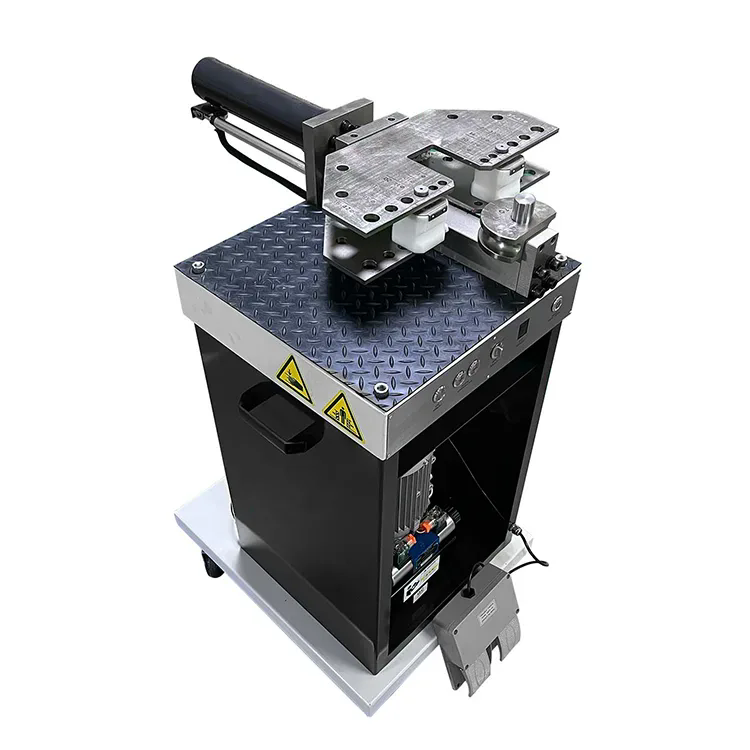
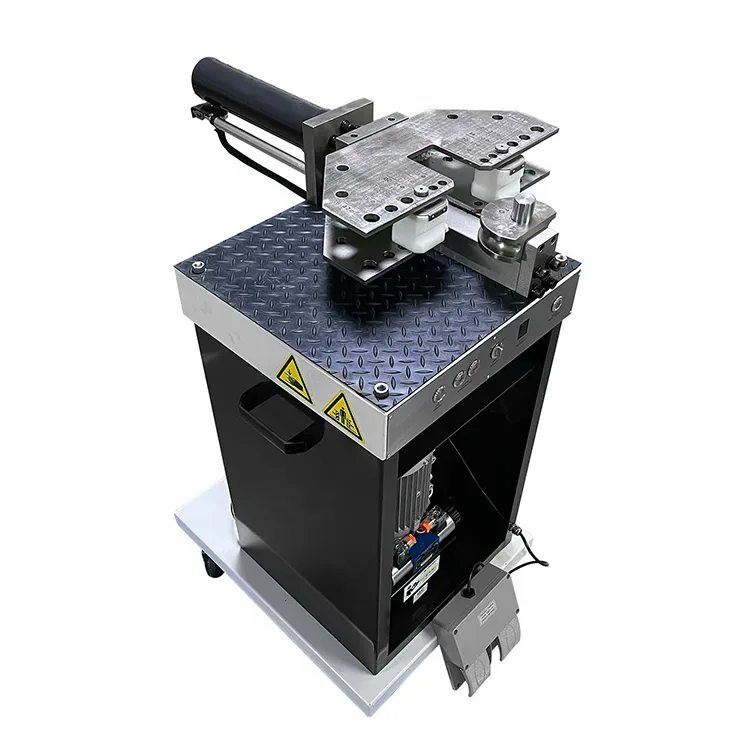
This article explains how a Pipe Bending Machine works, why businesses need advanced bending equipment, what challenges it solves, and how companies like XYOON provide reliable solutions for different industrial applications. Whether you are looking to improve production capacity, reduce labor costs, or achieve complex bending requirements, understanding the advantages of professional pipe bending technology can help you make better equipment decisions.
Article Outline
-
Understanding the basic function and structure of pipe bending equipment
-
Exploring the bending process and technology advantages
-
Analyzing industrial benefits and production improvements
-
Comparing different machine types for various applications
-
Learning how to select and maintain suitable equipment
-
Understanding the value of professional pipe bending solutions
What Is a Pipe Bending Machine?
A Pipe Bending Machine is an industrial device designed to shape pipes into specific angles, curves, and forms without damaging the pipe structure. Unlike traditional manual bending methods, modern machines use advanced mechanical systems, hydraulic technology, electrical control systems, and precision tools to achieve stable and repeatable results.
Pipe bending is an essential process in industries where pipelines, tubes, and metal structures must fit specific designs. Applications include automotive exhaust systems, HVAC systems, shipbuilding, aerospace components, construction frameworks, oil and gas pipelines, and manufacturing equipment.
The main purpose of a pipe bending machine is to create accurate bends while maintaining pipe strength, surface quality, and dimensional accuracy. This helps manufacturers produce complex components faster while reducing production errors.
|
Key Component
|
Function
|
|
Bending Die
|
Controls the pipe shape and bending radius during processing.
|
|
Hydraulic System
|
Provides stable power for bending operations.
|
|
Control System
|
Manages bending angles, speed, and production parameters.
|
|
Clamping Device
|
Keeps the pipe fixed to ensure accurate results.
|
How Does a Pipe Bending Machine Work?
A Pipe Bending Machine operates through a controlled process that transforms straight pipes into precisely shaped components. The exact working method depends on the machine type, but most modern systems follow several important steps.
-
Pipe Loading: The operator places the pipe into the machine and positions it according to the required bending specifications.
-
Pipe Fixing: Clamping systems secure the pipe to prevent movement during processing.
-
Bending Operation: The bending die and mechanical force apply controlled pressure to create the desired curve.
-
Angle Control: The control system monitors bending parameters to achieve accurate angles.
-
Quality Inspection: The finished pipe is checked for dimensional accuracy and surface quality.
Advanced machines can store multiple bending programs, allowing manufacturers to quickly switch between different product requirements. This flexibility is especially valuable for companies producing customized components.
Why Is a Pipe Bending Machine Important for Modern Manufacturing?
Manufacturing industries are constantly searching for ways to improve efficiency while maintaining product quality. A Pipe Bending Machine provides significant advantages compared with manual bending methods.
|
Traditional Bending
|
Modern Pipe Bending Machine
|
|
Requires more manual labor
|
Automated and efficient operation
|
|
Higher risk of inconsistent results
|
Stable and repeatable bending accuracy
|
|
Longer production time
|
Faster processing speed
|
|
More material waste
|
Better material utilization
|
For manufacturers handling large production volumes, investing in professional bending equipment can significantly improve productivity. It allows businesses to meet strict customer requirements while maintaining competitive production costs.
What Problems Can a Pipe Bending Machine Solve?
Many manufacturers face challenges when producing curved pipe components. A high-quality Pipe Bending Machine helps solve these common problems:
-
Low Production Efficiency: Automated bending reduces processing time and improves output capacity.
-
Inconsistent Bending Quality: Precision control systems ensure every product meets required specifications.
-
High Labor Costs: Reduced manual operations lower workforce requirements.
-
Material Damage: Proper bending technology minimizes deformation, cracks, and surface defects.
-
Complex Design Requirements: Advanced machines can handle different shapes and bending angles.
By addressing these challenges, businesses can improve production reliability and achieve better long-term operational performance.
Different Types of Pipe Bending Machines and Their Applications
|
Machine Type
|
Main Features
|
Common Applications
|
|
Hydraulic Pipe Bending Machine
|
Strong bending force and stable operation
|
Heavy industrial pipes and construction projects
|
|
CNC Pipe Bending Machine
|
High precision and automated control
|
Automotive, aerospace, and complex components
|
|
Electric Pipe Bending Machine
|
Energy efficient and environmentally friendly
|
Small and medium pipe processing
|
|
Manual Pipe Bending Machine
|
Simple structure and easy operation
|
Low-volume production tasks
|
Selecting the correct machine type depends on pipe material, production volume, bending requirements, and budget considerations.
How to Choose the Right Pipe Bending Machine?
Choosing suitable bending equipment requires careful evaluation of production needs. Before purchasing, manufacturers should consider the following factors:
-
Pipe Material: Different materials require different bending forces and technologies.
-
Pipe Diameter: Machine capacity should match the size range of pipes being processed.
-
Bending Accuracy: Precision requirements determine the necessary control system.
-
Production Volume: High-volume production usually requires automated solutions.
-
Maintenance Requirements: Easy maintenance improves equipment lifespan.
A professional supplier can help businesses select equipment that matches their specific manufacturing goals.
Why Choose XYOON Pipe Bending Solutions?
XYOON focuses on providing reliable Pipe Bending Machine solutions designed for modern industrial manufacturing needs. With attention to precision, durability, and operational efficiency, XYOON helps customers achieve stable production performance.
The company understands that different industries have different bending requirements. Therefore, XYOON provides equipment solutions that support various applications, helping manufacturers improve workflow efficiency and reduce unnecessary production challenges.
By combining practical engineering experience with advanced manufacturing technology, XYOON aims to deliver machines that provide long-term value for global customers.
Maintenance Tips for Better Machine Performance
Proper maintenance is essential for extending the service life of a Pipe Bending Machine. Regular inspection and care can prevent unexpected downtime and maintain bending accuracy.
-
Check hydraulic oil levels regularly.
-
Inspect bending tools for wear or damage.
-
Keep machine surfaces clean and free from debris.
-
Verify electrical connections and control systems.
-
Perform scheduled professional maintenance.
A well-maintained machine delivers more consistent performance and helps manufacturers reduce operational costs.
Frequently Asked Questions
Q1: What materials can a Pipe Bending Machine process?
A Pipe Bending Machine can process various materials including carbon steel, stainless steel, aluminum, copper, and other metal pipes depending on machine specifications.
Q2: What industries use Pipe Bending Machines?
These machines are widely used in automotive manufacturing, construction, shipbuilding, energy systems, aerospace, furniture production, and industrial equipment manufacturing.
Q3: How does a CNC Pipe Bending Machine improve accuracy?
A CNC system controls bending angles, speed, and positioning automatically, reducing human errors and improving production consistency.
Q4: How long can a Pipe Bending Machine operate?
With proper maintenance and correct operation, professional pipe bending equipment can provide reliable service for many years.
Q5: Why should manufacturers choose professional suppliers?
Professional suppliers provide better technical support, customized solutions, and equipment designed for long-term industrial performance.
Conclusion
A Pipe Bending Machine is an important investment for manufacturers seeking higher efficiency, better accuracy, and improved production quality. By replacing manual processes with advanced bending technology, companies can reduce costs, minimize waste, and handle increasingly complex manufacturing requirements.
XYOON provides dependable pipe bending solutions designed to support different industrial applications. If you are searching for efficient equipment to improve your pipe fabrication process, contact us today to discuss your requirements and discover the right solution for your business.