

How Does a Plastic Color Mixer Improve Efficiency and Product Quality in Plastic Manufacturing?
2025-12-05
Plastic manufacturing has evolved rapidly over the past decades, with innovation focusing on efficiency, precision, and product consistency. Among the advanced technologies, the Plastic Color Mixer stands out as a pivotal solution for achieving uniform color distribution, enhancing production speed, and reducing material waste. Designed to blend masterbatch pigments and additives uniformly into plastic granules, this device ensures high-quality end products for industries ranging from packaging to automotive parts.
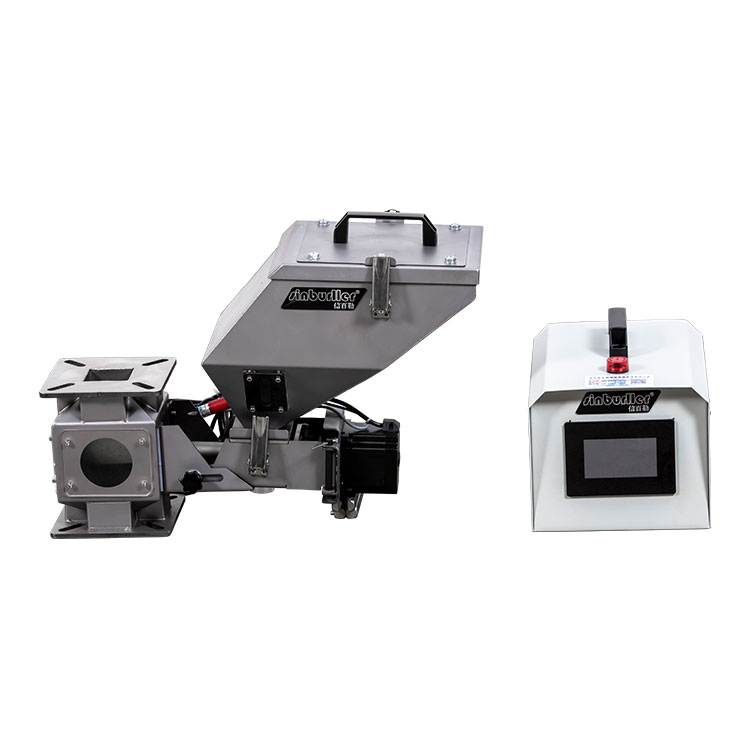
Core Functions and Advantages of Plastic Color Mixer
Plastic Color Mixers are designed to simplify the color blending process, reduce manual labor, and improve consistency across production batches. They operate by precisely combining masterbatch or powdered pigments with raw polymer granules to create a homogeneous mixture. The advantages of using a Plastic Color Mixer include:
-
Uniform Color Distribution: Ensures consistent color across every batch, reducing defects and rework.
-
Time Efficiency: Automated mixing saves hours compared to manual blending.
-
Material Savings: Minimizes overuse of pigments, leading to cost-effective production.
-
Versatility: Suitable for a wide range of plastic types, including PE, PP, PVC, and ABS.
-
Enhanced Production Quality: Reduces streaking, clumping, and uneven coloration in final products.
How does the Plastic Color Mixer ensure uniformity?
The mixer uses controlled rotational speed and precise ingredient ratios, often combined with vibration or agitation mechanisms, to distribute pigments evenly throughout the plastic granules. Advanced models can monitor and adjust mixing parameters in real time, ensuring optimal results even when processing different polymers or pigment types.
Detailed Product Parameters
Understanding the technical specifications of a Plastic Color Mixer is essential for selecting the right model for specific production needs. The following table summarizes typical parameters of high-performance industrial models:
| Parameter | Specification Range |
|---|---|
| Mixing Capacity | 50–2000 kg per batch |
| Mixing Time | 2–10 minutes (adjustable) |
| Motor Power | 1.5–15 kW |
| Rotation Speed | 10–60 rpm (variable control) |
| Applicable Plastic Types | PE, PP, PVC, ABS, PET |
| Operating Temperature Range | 20–80°C |
| Noise Level | ≤70 dB |
| Control System | PLC touch screen with recipe memory |
| Material of Construction | Stainless steel or high-grade alloy |
| Safety Features | Overload protection, emergency stop, locking doors |
These parameters ensure that manufacturers can scale operations efficiently while maintaining high product quality. Advanced models also include features like batch recording, automated cleaning, and integration with production lines for continuous operation.
Common Questions About Plastic Color Mixer
To assist manufacturers in understanding the practical applications of Plastic Color Mixers, the following FAQ section addresses common concerns:
Q1: Can a Plastic Color Mixer handle multiple colors in a single batch?
A1: Yes. Modern Plastic Color Mixers are capable of blending multiple pigments simultaneously. By programming the mixing ratios and sequences, operators can produce complex color combinations without compromising consistency. High-end models also feature automatic color adjustment systems to maintain precise hues across different batches.
Q2: How do Plastic Color Mixers reduce pigment waste?
A2: Traditional manual blending often results in uneven dispersion and overuse of pigments. Plastic Color Mixers ensure accurate dosing and uniform mixing, reducing the need for excess pigment. This leads to both cost savings and environmentally friendly operations by minimizing chemical waste.
Q3: Is the Plastic Color Mixer suitable for all types of plastics?
A3: While most Plastic Color Mixers are versatile, some models are specifically designed for certain polymers due to differences in granule size, density, and heat sensitivity. Choosing a mixer compatible with the specific plastic type is crucial for achieving optimal mixing results.
Q4: What maintenance is required for a Plastic Color Mixer?
A4: Regular maintenance includes cleaning the mixing chamber to prevent contamination, checking motor and gearbox components for wear, lubricating moving parts, and calibrating control systems. Routine maintenance ensures consistent performance, prolongs equipment lifespan, and reduces downtime.
Future Trends and Brand Positioning
The future of Plastic Color Mixers is closely linked to smart manufacturing and Industry 4.0. Innovations are focusing on:
-
Automation and IoT Integration: Mixers that communicate with other production equipment for real-time quality monitoring.
-
Energy Efficiency: Reduced power consumption and optimized motor control to lower operational costs.
-
Advanced Control Systems: AI-assisted recipe management to predict and correct color deviations automatically.
-
Sustainability: Use of environmentally friendly materials and processes to reduce carbon footprint and chemical waste.
The continued development of these technologies positions Plastic Color Mixers as key enablers for high-efficiency, high-quality plastic production, helping manufacturers meet increasing demands for consistency and eco-friendly practices.
Sinburller® stands out as a trusted brand in this field, offering a range of advanced Plastic Color Mixers that combine precision engineering, durability, and user-friendly operation. Their mixers cater to both small-scale and industrial production needs, ensuring that manufacturers achieve optimal color consistency and productivity. To learn more about Sinburller® solutions and request customized support, contact us today.