

How Does a Rubber Hose Machine Improve Manufacturing Efficiency?
2026-05-14
Article Summary: Rubber hose production is a critical segment in multiple industries including automotive, construction, and agriculture. Efficient machinery can greatly impact production speed, quality, and cost-effectiveness. This article explores the key functionalities of rubber hose machines, their benefits, common challenges, and practical solutions for manufacturers looking to optimize their production processes.
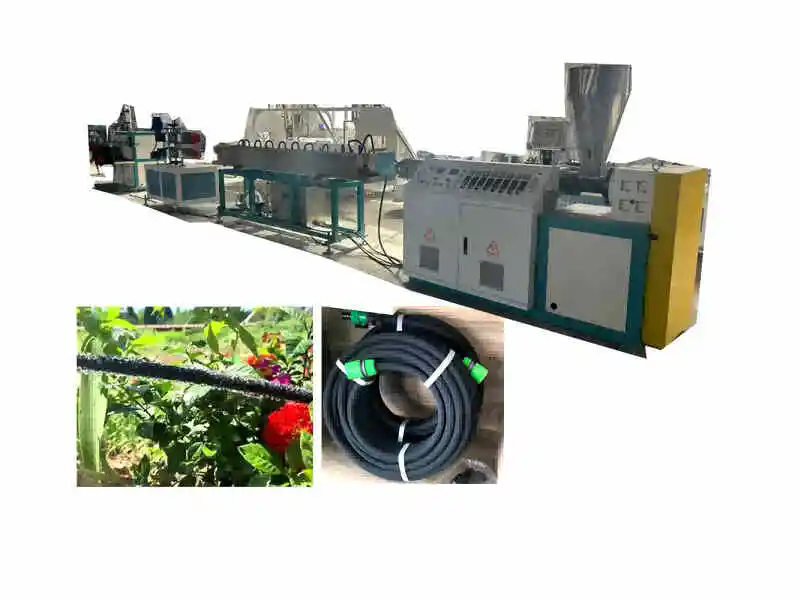
Table of Contents
- What is a Rubber Hose Machine?
- How Does a Rubber Hose Machine Work?
- Why Choose Yongte Rubber Hose Machines?
- Common Challenges and Solutions
- FAQ
What is a Rubber Hose Machine?
A rubber hose machine is specialized industrial equipment used to manufacture flexible rubber hoses of various diameters, lengths, and materials. These machines are widely used in producing automotive hoses, hydraulic hoses, air and water hoses, and industrial-grade tubing. The main components of a rubber hose machine include:
- Extruder: Forms the raw rubber into continuous tubes.
- Vulcanization System: Heat-treats the rubber for durability and flexibility.
- Cooling System: Ensures hoses maintain shape and consistency after vulcanization.
- Cutting and Coiling System: Automates precise sizing and packaging.
With technological advancements, modern machines allow programmable settings for hose thickness, material blends, and reinforced structures using fibers or steel wires.
How Does a Rubber Hose Machine Work?
The process of making rubber hoses involves several stages. Understanding each stage is crucial for optimizing production efficiency and product quality.
1. Material Preparation
Raw rubber is mixed with additives such as carbon black, stabilizers, and plasticizers to enhance elasticity and strength. Automated mixers ensure consistency in material composition.
2. Extrusion
The mixed rubber is fed into the extruder, which shapes it into a continuous tube. Key factors during extrusion include temperature control, pressure consistency, and die alignment.
3. Reinforcement (Optional)
Depending on the hose type, reinforcement materials like textile fibers or metal wires are inserted to improve durability, pressure resistance, and longevity.
4. Vulcanization
Vulcanization involves heating the rubber hose to create cross-links between polymer chains. This step enhances elasticity, heat resistance, and wear resistance.
5. Cooling and Shaping
After vulcanization, hoses pass through a cooling system to retain their shape and prevent deformation. Water or air cooling methods are applied based on hose type.
6. Cutting and Quality Control
Automated cutters measure hoses to precise lengths. Quality inspection systems check for uniform thickness, flexibility, and surface defects.
| Stage | Key Equipment | Purpose |
|---|---|---|
| Material Preparation | Mixers, Conveyors | Ensure uniform rubber compound |
| Extrusion | Extruder, Dies | Shape raw rubber into tubes |
| Reinforcement | Fiber/Steel Insertion System | Enhance strength and pressure resistance |
| Vulcanization | Heating Chambers, Autoclaves | Improve elasticity and durability |
| Cooling & Shaping | Water or Air Coolers | Prevent deformation and shrinkage |
| Cutting & Quality Control | Automatic Cutters, Sensors | Ensure uniform length and quality |
Why Choose Yongte Rubber Hose Machines?
Yongte is a trusted manufacturer of rubber hose machinery with decades of experience delivering reliable and high-performance equipment. Key advantages include:
- Advanced Technology: Precision extrusion and vulcanization systems reduce material waste and improve production speed.
- Customizable Solutions: Machines can be tailored for specific hose types, diameters, and reinforcement materials.
- Energy Efficiency: Yongte machines minimize power consumption while maximizing output.
- Durability and Maintenance: High-quality components ensure long machine life with minimal downtime.
- Global Support: Yongte provides technical guidance, spare parts, and maintenance solutions worldwide.
Investing in a Yongte rubber hose machine allows manufacturers to maintain competitive quality standards while optimizing cost-effectiveness.
Common Challenges and Solutions
Rubber hose production is complex, and manufacturers often encounter obstacles. Some common challenges include:
- Uneven Wall Thickness: Caused by die misalignment or inconsistent extrusion speed. Solution: Regular calibration and monitoring systems.
- Surface Defects: Bubbles, scratches, or irregular texture. Solution: Control raw material quality and maintain optimal vulcanization temperature.
- Machine Downtime: Resulting from wear of critical components. Solution: Scheduled preventive maintenance and use of high-quality parts.
- High Energy Costs: Inefficient heating or extrusion processes. Solution: Invest in energy-saving systems and optimize workflow.
FAQ
Q1: What types of rubber hoses can Yongte machines produce?
A1: Yongte machines can produce automotive hoses, hydraulic hoses, water and air hoses, as well as specialty industrial hoses.
Q2: Can the machines handle reinforced hoses?
A2: Yes, Yongte machines are compatible with fiber or steel wire reinforcement systems to meet various pressure and durability requirements.
Q3: How easy is it to operate a Yongte rubber hose machine?
A3: The machines are designed for user-friendly operation with programmable controls, safety features, and detailed operational manuals.
Q4: Does Yongte provide after-sales support?
A4: Yes, Yongte offers global technical support, spare parts, and maintenance guidance to ensure uninterrupted production.
Yongte’s rubber hose machines are designed to transform your production line, increase efficiency, and guarantee consistent product quality. If you want to optimize your rubber hose manufacturing and reduce operational challenges, contact us today to learn more about our solutions and request a personalized quote.