Modern footwear brands need packaging solutions that are fast, consistent, cost-effective, and visually attractive. A Shoe Box Making Machine helps manufacturers automate production, reduce labor costs, improve precision, and maintain stable box quality for large-scale operations. This article explains how these machines work, their advantages, key components, common challenges buyers face, and how to select the right equipment for your factory.
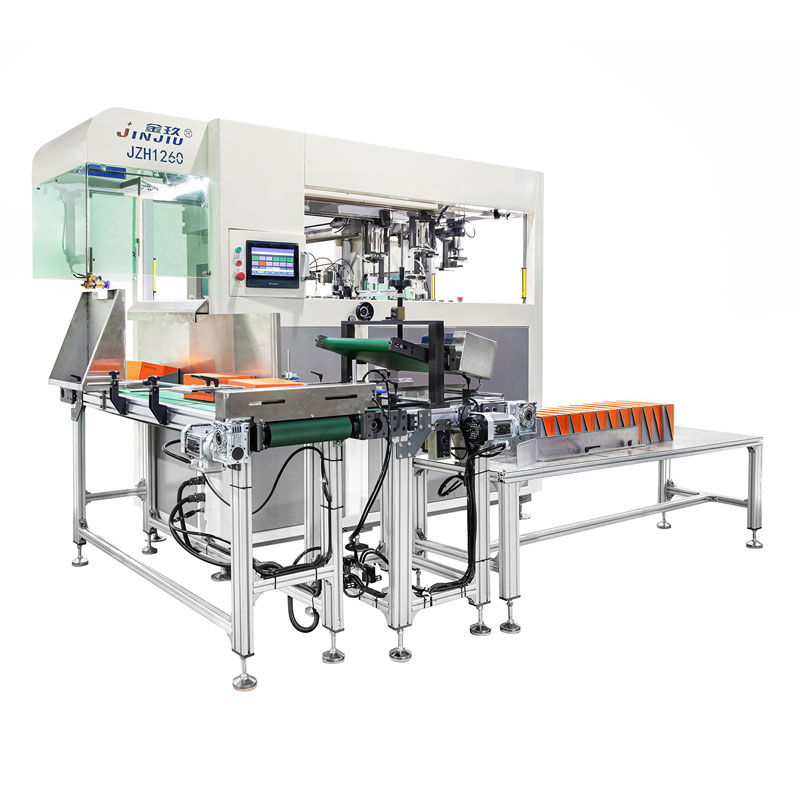
What Is a Shoe Box Making Machine?
A Shoe Box Making Machine is specialized packaging equipment designed to manufacture rigid or folding shoe boxes automatically or semi-automatically. These machines process cardboard, corrugated paper, gray board, and coated paper into finished shoe packaging with accurate dimensions and strong structural consistency.
Shoe manufacturers, packaging factories, luxury footwear brands, and e-commerce suppliers increasingly rely on automated systems to meet growing market demand. Instead of producing boxes manually, automated machinery improves productivity while maintaining stable quality standards.
A modern production line may include:
-
Paper feeding systems
-
Automatic gluing units
-
Corner pasting systems
-
Box forming modules
-
Pressing and shaping stations
-
Stacking and collection systems
Companies such as Jinjiu Packing Machinery provide advanced equipment solutions designed for high-speed and stable shoe box production across multiple packaging applications.
How Does a Shoe Box Making Machine Work?
The machine operates through a sequence of automated production stages that transform raw paperboard materials into finished packaging boxes.
|
Production Stage
|
Function
|
|
Material Feeding
|
Cardboard sheets are automatically loaded into the machine.
|
|
Gluing Process
|
Adhesive is evenly applied to ensure strong bonding.
|
|
Box Forming
|
The machine folds and shapes the material into shoe box structures.
|
|
Pressing & Shaping
|
Pressure systems secure box rigidity and clean edges.
|
|
Finished Collection
|
Completed boxes are stacked automatically for packaging.
|
Advanced models also support intelligent touchscreen controls, automatic size adjustments, servo motor positioning, and fault detection systems to reduce downtime during production.
Major Advantages for Manufacturers
Investing in an automated shoe box production system provides several operational benefits.
1. Higher Production Speed
Automatic equipment can produce thousands of boxes daily with significantly faster output compared to manual operations.
2. Reduced Labor Costs
Automation minimizes dependence on manual workers and lowers long-term labor expenses.
3. Stable Product Quality
Machines maintain accurate dimensions, precise folding, and uniform glue application across every production cycle.
4. Lower Material Waste
Precise feeding and cutting systems help reduce paperboard waste and improve raw material utilization.
5. Better Brand Presentation
High-quality packaging enhances customer perception and strengthens brand value in competitive footwear markets.
6. Flexible Box Customization
Many machines support multiple box sizes, printing compatibility, and customized structural designs.
Key Components of the Machine
Understanding machine structure helps buyers evaluate production capability and maintenance requirements.
|
Component
|
Purpose
|
|
Feeding System
|
Supplies cardboard automatically into production.
|
|
Gluing Unit
|
Applies adhesive accurately and evenly.
|
|
Servo Motor System
|
Controls positioning precision and synchronization.
|
|
Forming Mold
|
Shapes the shoe box into the required structure.
|
|
Control Panel
|
Allows operators to adjust production settings.
|
Premium equipment often integrates PLC control systems, touchscreen interfaces, and automatic alarm systems for smoother operation.
Industries That Use Shoe Box Machines
Although primarily designed for footwear packaging, these machines are widely used in multiple industries.
-
Sports shoe manufacturers
-
Luxury footwear brands
-
Children's shoe factories
-
E-commerce packaging suppliers
-
Fashion accessory brands
-
Gift packaging manufacturers
-
Paper packaging factories
As consumer expectations continue to rise, packaging quality has become an important part of brand competitiveness.
How to Choose the Right Machine
Selecting the proper equipment requires evaluating production requirements, budget, factory space, and future expansion plans.
Production Capacity
Choose a machine capable of meeting both current and future order volumes.
Supported Box Sizes
Verify whether the equipment can handle various shoe box dimensions and styles.
Automation Level
Fully automatic systems provide maximum efficiency, while semi-automatic machines reduce initial investment costs.
Machine Stability
Reliable performance minimizes downtime and maintenance interruptions.
After-Sales Support
Technical assistance, spare parts availability, and training services are critical for long-term operation.
Energy Efficiency
Modern servo-driven systems typically consume less energy and improve operational efficiency.
Jinjiu Packing Machinery offers customized packaging machinery solutions for factories seeking improved automation and production consistency.
Maintenance Tips for Long-Term Performance
Regular maintenance helps maximize equipment lifespan and maintain stable output quality.
-
Clean glue systems and rollers daily.
-
Inspect moving components regularly for wear.
-
Lubricate transmission systems according to maintenance schedules.
-
Check electrical systems and sensors periodically.
-
Replace worn belts and feeding parts promptly.
-
Train operators on proper machine operation procedures.
Preventive maintenance can significantly reduce unexpected production downtime.
Manual vs Automatic Shoe Box Production
|
Factor
|
Manual Production
|
Automatic Machine Production
|
|
Production Speed
|
Slow
|
High-speed
|
|
Labor Requirement
|
High
|
Low
|
|
Consistency
|
Variable
|
Stable
|
|
Material Waste
|
Higher
|
Lower
|
|
Scalability
|
Limited
|
Excellent
|
Frequently Asked Questions
What materials can a Shoe Box Making Machine process?
Most machines support cardboard, corrugated paper, coated paper, kraft paper, and gray board materials.
Can one machine produce different box sizes?
Yes. Many modern machines support adjustable molds and flexible size settings.
Is operator training required?
Basic training is recommended to ensure safe operation and efficient production management.
How long does machine maintenance take?
Daily maintenance is usually simple and can be completed within a short time if scheduled properly.
Can automated machines improve packaging quality?
Yes. Automation improves dimensional accuracy, structural consistency, and overall box appearance.
Conclusion
As packaging standards continue to evolve, automation has become essential for footwear manufacturers seeking higher productivity, lower operational costs, and stable packaging quality. A reliable Shoe Box Making Machine can significantly improve manufacturing efficiency while helping brands maintain professional product presentation.
Whether you operate a growing packaging factory or a large-scale footwear production facility, investing in advanced equipment can provide long-term production advantages and stronger market competitiveness.
Need Professional Shoe Box Production Solutions?
Jinjiu Packing Machinery provides advanced automatic packaging equipment designed for efficient and stable shoe box production. Our professional team can help you select the right machinery solution based on your factory requirements and production goals.
Contact Us
```