

How Does a Steel Structure Carport Compare to a Traditional Garage in Terms of Cost and Durability
2026-05-18
When homeowners consider vehicle protection, the debate often narrows down to a Steel Structure Carport versus a traditional stick-built or concrete garage. At Liweiyuan, we have helped thousands of property owners make this choice by analyzing real-world costs and long-term performance. Below is a professional comparison based on industry data, followed by frequently asked questions to guide your decision.
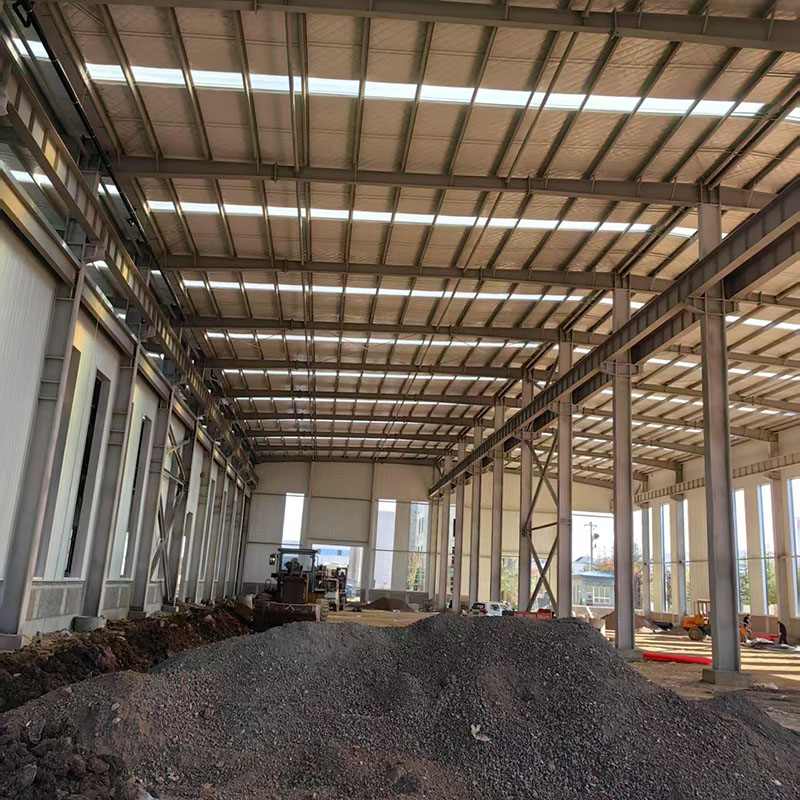
Cost Comparison: Initial Investment and Long-Term Value
| Factor | Steel Structure Carport (by Liweiyuan) | Traditional Garage |
|---|---|---|
| Average material cost (per sq ft) | 15–30 | 40–80 |
| Labor & installation | Low (prefab, 1–2 days) | High (foundation + framing, 2–4 weeks) |
| Permit complexity | Minimal (often no foundation required) | Extensive (requires engineering review) |
| Maintenance (10-year total) | 200–500 (occasional washing, bolt check) | 2,000–5,000 (painting, roof repair, crack sealing) |
| Resale value impact | Positive (adds covered space) | Positive but higher initial cost rarely fully recovered |
Durability Comparison: Weather Resistance and Lifespan
| Feature | Steel Structure Carport | Traditional Garage |
|---|---|---|
| Wind resistance (tested) | Up to 130–150 mph (with proper anchors) | 100–120 mph (roof dependent) |
| Snow load capacity | 30–70 psf (gauge dependent) | 20–40 psf (standard residential) |
| Fire resistance | Non-combustible (Class A) | Combustible wood frame or non-combustible concrete block |
| Rust/corrosion risk | Galvanized + powder coated (30+ year protection) | Wood rot, termites, or concrete spalling |
| Typical service life | 30–50 years (minimal degradation) | 40–60 years (but high periodic repair cost) |
Steel Structure Carport from Liweiyuan uses heavy-gauge galvanized steel with triple-layer corrosion protection. Traditional garages, especially wood-framed ones, are prone to termite damage and moisture absorption. Even concrete garages develop cracks from freeze-thaw cycles, requiring expensive sealing every 5–7 years.
Three Key Frequently Asked Questions About Steel Structure Carports
Q1: Can a Steel Structure Carport be converted into a fully enclosed garage later?
A1: Yes. Liweiyuan designs modular Steel Structure Carport systems with pre-drilled connection points for adding wall panels, roll-up doors, and insulation. Many homeowners start with a three-sided carport for ventilation, then later add steel sheet walls and a garage door to create a secure workshop or storage area. This stepwise approach spreads costs over several years while maintaining the same structural frame. Unlike a traditional garage, which requires full investment upfront, a Steel Structure Carport offers future expandability.
Q2: How does insurance value a Steel Structure Carport compared to a traditional garage?
A2: Most US and European insurers classify a Steel Structure Carport as a “detached accessory structure” with lower liability risk because it has no electrical systems or enclosed living space. This often results in annual premiums 40–60% lower than those for a traditional garage. However, if you enclose the carport, you must update your policy. Liweiyuan provides engineering certification documents (wind load, snow load, material specs) that insurers widely accept. A traditional garage, being permanent construction, increases property tax assessment, while many jurisdictions do not tax open-sided carports.
Q3: What maintenance does a Steel Structure Carport actually require in coastal or snowy climates?
A3: For coastal areas with salt spray, Liweiyuan recommends an annual rinse with fresh water and a visual check of galvanized coating. Apply a rust-inhibiting spray to bolt heads every two years. In snowy regions, simply brush off accumulated snow from the roof if depths exceed 2 feet—but most Steel Structure Carport models from Liweiyuan are rated for 50 psf snow loads, meaning you rarely need intervention. Traditional garages in these climates require repainting exterior wood every 3–4 years (coastal) or replacing rotted sill plates (snow melt). The maintenance gap is substantial: a Steel Structure Carport requires about 2 hours per year; a traditional garage demands 15–20 hours plus material costs.
Final Verdict
If your priorities are low upfront cost, minimal maintenance, and rapid installation, a Steel Structure Carport clearly outperforms a traditional garage. For finished workshop space with climate control, a traditional garage still has merits—but at triple the lifecycle cost. Liweiyuan offers 12 standard sizes and custom engineering for wind, snow, and seismic zones.
Contact us today for a free load calculation and quote. Our team provides CAD drawings, permit assistance, and bolt-by-bolt assembly guides. Protect your vehicles with the strength of steel—reach Liweiyuan via our website or call your regional distributor.