

Abstract: Tube bundle dryers are widely used in chemical, pharmaceutical, and food industries to efficiently remove moisture from powders, granules, and liquids. This article explores the design, operation, and maintenance of tube bundle dryers, highlighting key considerations for selecting the right equipment and addressing common challenges to optimize drying performance.
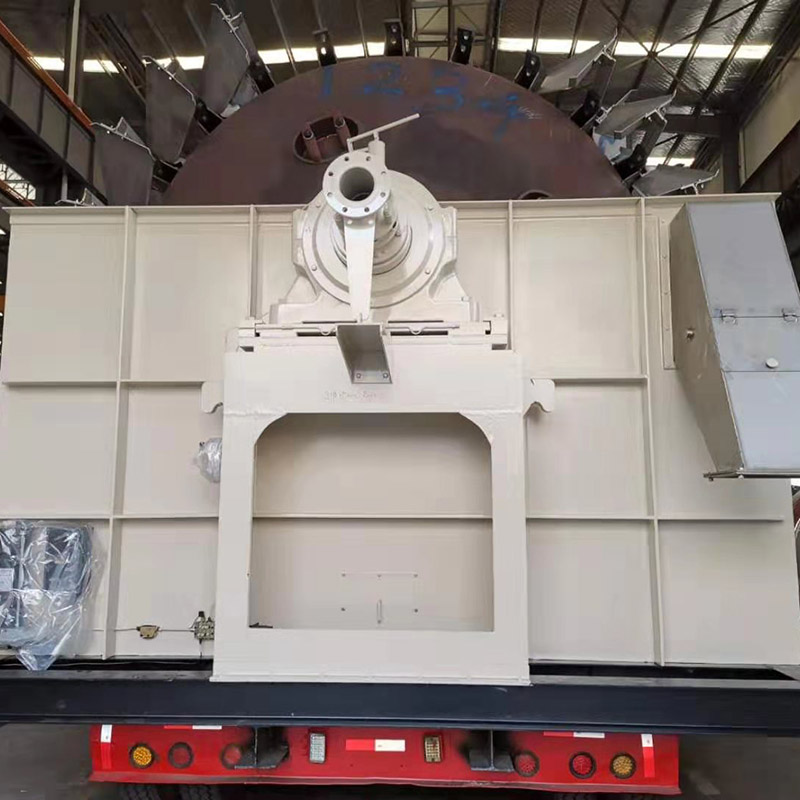
Table of Contents
- Overview of Tube Bundle Dryers
- Working Principle
- Advantages of Tube Bundle Dryers
- Common Operational Issues
- Guide to Selecting the Right Tube Bundle Dryer
- Maintenance Tips for Longevity
- FAQ
Overview of Tube Bundle Dryers
Tube bundle dryers consist of a shell with multiple tubes through which heating medium flows, while the material to be dried is placed outside the tubes. They are ideal for continuous drying of viscous liquids, powders, and slurry materials.
- Designed for high-efficiency heat transfer.
- Capable of handling corrosive and abrasive materials.
- Flexible configuration for batch or continuous operation.
| Feature | Description |
|---|---|
| Capacity | Ranges from small lab-scale units to large industrial dryers |
| Heating Medium | Steam, hot oil, or gas can be used depending on process requirements |
| Material Compatibility | Suitable for powders, granules, and slurries |
Working Principle
The tube bundle dryer operates on the principle of heat transfer. Hot fluid flows inside the tubes, while the wet material passes around the tubes. Moisture evaporates as heat is conducted through the tube walls.
- Material enters the dryer and spreads evenly across the tube bundle.
- Hot medium circulates inside the tubes, transferring heat efficiently.
- Evaporated moisture exits via a vapor outlet, while dried material is collected at the discharge end.
Key factors influencing drying efficiency:
- Temperature and flow rate of the heating medium
- Material feed rate and moisture content
- Tube design and surface area
Advantages of Tube Bundle Dryers
- High thermal efficiency due to extensive surface area.
- Reduced risk of material degradation.
- Adaptable to corrosive, viscous, or abrasive substances.
- Continuous operation capability for large-scale production.
- Simple design allows easy maintenance and inspection.
Common Operational Issues
Understanding potential problems can help operators prevent downtime and maintain consistent drying quality.
- Fouling: Accumulation of sticky materials inside tubes reduces heat transfer.
- Uneven drying: Caused by inconsistent feed or tube blockage.
- Corrosion: Aggressive chemicals may damage tubes over time.
- Energy inefficiency: Improper temperature control leads to excessive energy consumption.
Guide to Selecting the Right Tube Bundle Dryer
When choosing a tube bundle dryer, consider the following factors to meet production goals:
- Material type and moisture content
- Required production capacity
- Available heating medium and operating pressure
- Ease of maintenance and cleaning
Comparison Table:
| Criteria | Importance | Recommendation |
|---|---|---|
| Material Properties | High | Check for abrasiveness and stickiness |
| Capacity | High | Select based on batch vs. continuous requirements |
| Energy Source | Medium | Steam preferred for consistency, hot oil for high temperatures |
| Maintenance | High | Choose design with easy access to tubes |
Maintenance Tips for Longevity
- Regular inspection of tubes for corrosion or fouling.
- Periodic cleaning to prevent buildup and maintain heat efficiency.
- Monitor temperature and flow rates to avoid overheating.
- Ensure seals and gaskets are intact to prevent leakage.
FAQ
- Q1: What industries commonly use tube bundle dryers?
- A1: They are widely used in chemical processing, pharmaceuticals, food production, and fertilizers.
- Q2: How do I prevent tube fouling?
- A2: Maintain consistent feed rates, avoid overheating, and perform regular cleaning.
- Q3: Can tube bundle dryers handle corrosive materials?
- A3: Yes, by selecting corrosion-resistant alloys or coatings for the tubes.
- Q4: What is the typical maintenance schedule?
- A4: Inspect monthly, clean quarterly, and perform full maintenance annually depending on usage.
For high-performance and reliable tube bundle dryers, Jiangsu Grand Drying and Concentrating Equipment Co. Ltd provides customized solutions to suit your industrial drying needs. Learn more about our products and contact us today to optimize your drying processes.