

How Does a Water Chiller Improve Industrial Cooling Efficiency?
2026-05-26
Water chillers play a critical role in modern industrial cooling systems. From manufacturing plants and laser equipment to food processing and HVAC applications, a reliable water chiller helps maintain stable temperatures, protect equipment, reduce energy consumption, and improve operational efficiency. In this article, Niasi explains how water chillers work, their major benefits, common application scenarios, and how businesses can select the right solution for long-term performance and cost savings.
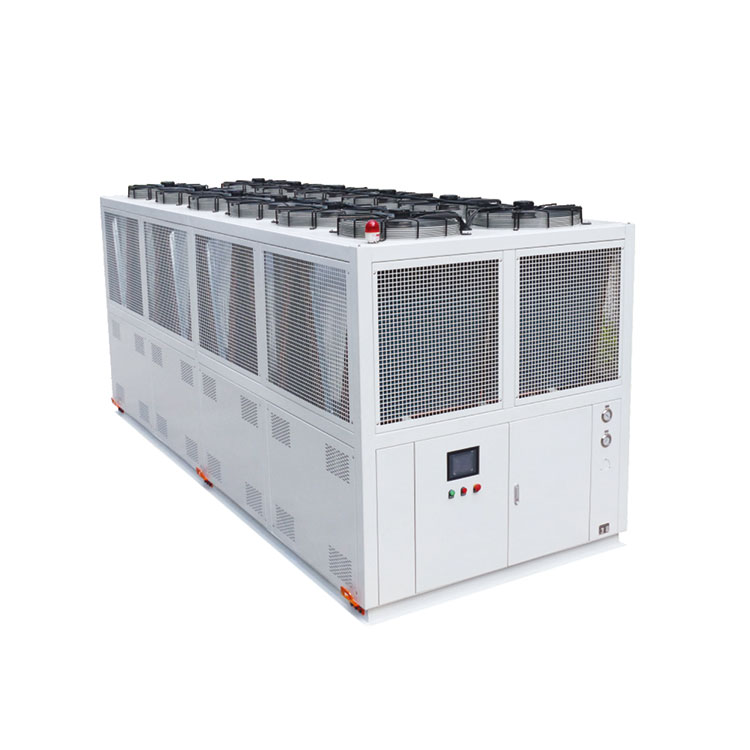
Table of Contents
- What Is a Water Chiller?
- How Does a Water Chiller Work?
- Main Components of a Water Chiller System
- Benefits of Using Industrial Water Chillers
- Common Industries That Use Water Chillers
- Air-Cooled vs Water-Cooled Chillers
- How to Choose the Right Water Chiller
- Maintenance Tips for Long-Term Performance
- Why Businesses Choose Niasi
- FAQ
What Is a Water Chiller?
A water chiller is a cooling system designed to remove heat from industrial processes, machinery, or buildings by circulating chilled water through a closed-loop system. It helps maintain consistent temperatures, preventing overheating and ensuring equipment operates efficiently.
Water chillers are commonly used in industries where precise temperature control is essential. Whether cooling laser machines, plastic molding systems, medical equipment, or HVAC systems, a water chiller ensures stable production conditions and reduces thermal stress on critical components.
The primary role of a water chiller is to absorb heat from equipment and transfer it away through a refrigeration cycle, keeping operations safe and efficient.
How Does a Water Chiller Work?
A water chiller operates using a refrigeration cycle that removes unwanted heat from water and transfers it elsewhere. The chilled water is then circulated back to industrial equipment or cooling systems.
The process generally includes four major stages:
- Evaporation: Heat from the process water is absorbed by the refrigerant inside the evaporator.
- Compression: The compressor increases the refrigerant pressure and temperature.
- Condensation: The refrigerant releases heat through the condenser.
- Expansion: The refrigerant pressure decreases before re-entering the evaporator cycle.
This continuous circulation maintains stable cooling performance even during demanding industrial operations.
| Stage | Function |
|---|---|
| Evaporator | Absorbs heat from process water |
| Compressor | Raises refrigerant pressure and temperature |
| Condenser | Releases collected heat |
| Expansion Valve | Reduces refrigerant pressure for recirculation |
Main Components of a Water Chiller System
Understanding the main components of a water chiller helps businesses choose the right system and maintain it properly.
- Compressor: Drives refrigerant circulation and system pressure.
- Condenser: Removes heat from refrigerant.
- Evaporator: Transfers heat from water into refrigerant.
- Pump: Circulates chilled water throughout the system.
- Controller: Monitors and adjusts system temperature.
- Expansion Valve: Regulates refrigerant flow.
High-quality components directly influence cooling stability, energy efficiency, and equipment lifespan.
Benefits of Using Industrial Water Chillers
Many industries depend on water chillers because they offer substantial operational advantages.
Stable Temperature Control
Prevents overheating and ensures consistent production quality.
Energy Savings
Modern chillers are designed to reduce energy consumption and operating costs.
Equipment Protection
Minimizes thermal damage and extends machinery lifespan.
Improved Productivity
Reduces downtime caused by overheating or unstable temperatures.
Companies investing in reliable cooling systems often experience lower maintenance costs and more efficient production workflows.
Common Industries That Use Water Chillers
Water chillers are widely used across multiple sectors because temperature stability is essential for product quality and equipment protection.
| Industry | Application |
|---|---|
| Laser Equipment | Maintains laser stability and precision |
| Plastic Manufacturing | Controls mold temperatures |
| Food Processing | Keeps products at safe temperatures |
| Medical Industry | Supports laboratory and imaging equipment |
| HVAC Systems | Provides building cooling solutions |
Air-Cooled vs Water-Cooled Chillers
Choosing between air-cooled and water-cooled chillers depends on installation environment, cooling demands, and operational costs.
| Feature | Air-Cooled | Water-Cooled |
|---|---|---|
| Installation | Simpler | More complex |
| Efficiency | Moderate | Higher efficiency |
| Maintenance | Lower | Requires water treatment |
| Space Requirement | Less | More |
How to Choose the Right Water Chiller
Selecting the right water chiller requires evaluating several operational factors.
- Cooling capacity requirements
- Ambient operating conditions
- Energy efficiency goals
- Available installation space
- Noise limitations
- Future production expansion plans
Working with an experienced supplier such as Niasi can help businesses identify the most suitable cooling solution based on industry-specific needs.
Oversized or undersized chillers can reduce efficiency, increase operating costs, and shorten equipment lifespan. Accurate system sizing is essential.
Maintenance Tips for Long-Term Performance
Regular maintenance is essential for ensuring reliable operation and extending chiller lifespan.
- Inspect refrigerant levels regularly.
- Clean condenser coils and filters.
- Monitor water quality to prevent scaling.
- Check pumps and electrical connections.
- Inspect system pressure and temperature readings.
- Schedule periodic professional servicing.
Preventive maintenance helps reduce unexpected downtime and ensures optimal cooling performance year-round.
Why Businesses Choose Niasi
Niasi provides advanced water chiller solutions designed for stable cooling performance, energy efficiency, and long-term reliability. With extensive experience in industrial cooling applications, Niasi supports customers across multiple industries with customized solutions tailored to different operational requirements.
From compact chillers for precision equipment to high-capacity industrial cooling systems, Niasi focuses on product quality, intelligent control systems, and responsive customer support.
Businesses seeking efficient temperature management solutions can benefit from professional guidance and dependable cooling technologies from Niasi.
FAQ
What temperature does a water chiller maintain?
Most industrial water chillers can maintain temperatures ranging from 5°C to 35°C, depending on application requirements.
How long does a water chiller last?
With proper maintenance, industrial water chillers can operate efficiently for 10 to 20 years.
Can water chillers reduce energy costs?
Yes. Modern energy-efficient chillers help optimize cooling performance while lowering electricity consumption.
Which industries benefit most from water chillers?
Industries such as manufacturing, plastics, food processing, medical equipment, HVAC, and laser systems rely heavily on water chillers.
Looking for a Reliable Water Chiller Solution?
Niasi is committed to delivering high-performance industrial water chillers designed for efficiency, durability, and stable temperature control. Whether you need a customized cooling system or professional technical support, our team is ready to help you find the ideal solution for your business.
Contact us today to discuss your cooling requirements and discover how Niasi can improve your industrial operations with advanced water chiller technology.