

How does a Water Tank Air Cooled Chiller Work?
2026-04-20
Article Summary
A Water Tank Air Cooled Chiller is a highly efficient cooling system widely used in industrial processing, HVAC applications, and manufacturing environments. It combines air-cooled condenser technology with a water tank buffer system to deliver stable, energy-efficient temperature control without the need for cooling towers or excessive water consumption.
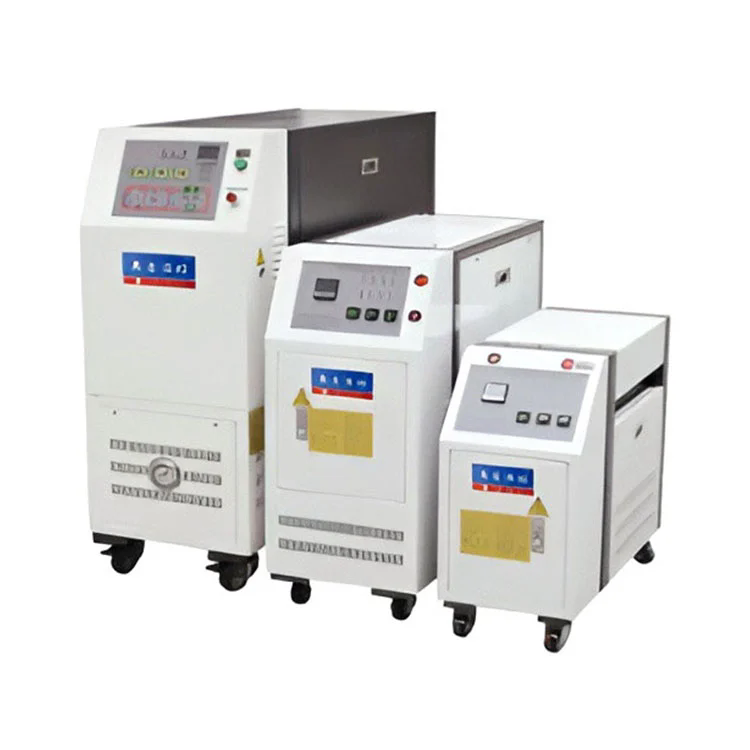
This article explains how the system works, its core components, advantages, applications, maintenance requirements, and buying considerations. It is designed to help engineers, facility managers, and buyers understand how to select and operate a reliable chiller system for long-term performance.
Table of Contents
- Article Outline
- What is a Water Tank Air Cooled Chiller?
- How It Works
- Key Components
- Advantages
- Applications
- Installation Considerations
- Maintenance Tips
- Common Problems & Solutions
- Buying Guide
- FAQ
- Contact Information
Article Outline
- Introduction to air-cooled chiller systems with water tank buffering
- System structure and working principle
- Main mechanical and electrical components
- Benefits compared to traditional water-cooled systems
- Industrial and commercial applications
- Installation and environmental considerations
- Preventive maintenance and troubleshooting
- Procurement decision-making factors
What is a Water Tank Air Cooled Chiller?
A Water Tank Air Cooled Chiller is a refrigeration system designed to remove heat from water using an air-cooled condenser. Unlike traditional systems that rely on cooling towers, this configuration uses ambient air to dissipate heat through condenser coils and fans.
The integrated water tank acts as a thermal buffer, ensuring stable chilled water supply even during peak load fluctuations. This makes the system highly suitable for environments where water conservation, compact design, and simplified installation are priorities.
How It Works
The system operates on a vapor compression refrigeration cycle. Below is a simplified breakdown of the process:
- Evaporation: The refrigerant absorbs heat from water in the evaporator, cooling the water stored in the tank.
- Compression: The refrigerant vapor is compressed, increasing its temperature and pressure.
- Condensation: The hot refrigerant passes through air-cooled condenser coils where fans dissipate heat into the surrounding air.
- Expansion: The refrigerant pressure drops and re-enters the evaporator to repeat the cycle.
The water tank ensures that chilled water is continuously available, reducing cycling stress on the compressor and improving system efficiency.
Key Components
| Component | Function |
|---|---|
| Compressor | Pressurizes refrigerant to enable heat transfer cycle |
| Air-Cooled Condenser | Removes heat from refrigerant using ambient air |
| Evaporator | Transfers heat from water to refrigerant |
| Water Tank | Stores chilled water and stabilizes temperature output |
| Expansion Valve | Controls refrigerant flow and pressure reduction |
| Control System | Monitors and regulates temperature and system performance |
Advantages
- No cooling tower required, reducing installation complexity
- Lower water consumption compared to water-cooled systems
- Compact and modular design suitable for limited spaces
- Stable performance with integrated water tank buffering
- Reduced maintenance requirements
- Suitable for various climates and industrial environments
These advantages make the system particularly attractive for factories, laboratories, and commercial facilities seeking reliable cooling without heavy infrastructure investment.
Applications
- Plastic injection molding machines
- Food processing and packaging lines
- Laser cutting and CNC equipment
- Pharmaceutical production systems
- HVAC systems in commercial buildings
- Data center auxiliary cooling
Installation Considerations
Proper installation is critical to ensure efficiency and long service life. Key considerations include:
- Ensure sufficient ventilation around the condenser unit
- Place the water tank on a stable, vibration-free surface
- Maintain proper electrical grounding and protection systems
- Use correctly sized piping to avoid pressure loss
- Install in locations with minimal dust and debris exposure
Maintenance Tips
Regular maintenance ensures system efficiency and prevents unexpected downtime:
- Clean condenser coils regularly to maintain airflow efficiency
- Inspect refrigerant levels and check for leaks
- Monitor water quality in the tank to prevent scaling
- Check electrical connections and control system calibration
- Replace worn filters and components as needed
Common Problems & Solutions
- Insufficient Cooling: Often caused by dirty condenser coils or low refrigerant levels.
- High Energy Consumption: May result from poor ventilation or overloaded system.
- Water Temperature Fluctuation: Usually linked to sensor calibration issues.
- Noise Issues: Fan imbalance or compressor wear may be the cause.
Buying Guide
When selecting a Water Tank Air Cooled Chiller, consider the following factors:
- Cooling capacity requirements (kW or TR rating)
- Ambient operating temperature range
- Energy efficiency ratio (EER/COP)
- Material quality and corrosion resistance
- Control system automation level
- After-sales support and spare parts availability
A well-matched system ensures lower operating costs and longer equipment lifespan.
FAQ
Q1: Does this system require a cooling tower?
No, it uses air-cooled condenser technology, eliminating the need for a cooling tower.
Q2: Is it suitable for hot climates?
Yes, but performance depends on ambient temperature and proper ventilation design.
Q3: How long does a chiller last?
With proper maintenance, it can last 8–15 years or more.
Q4: Can it run continuously?
Yes, it is designed for industrial-grade continuous operation.
Contact Information
For reliable industrial cooling solutions, AQWK provides advanced Water Tank Air Cooled Chiller systems designed for efficiency, durability, and stable performance across multiple industries.
AQWK is committed to delivering high-performance cooling solutions tailored to your operational needs. If you are planning a new project or upgrading existing systems, contact us today to get expert guidance and a competitive solution tailored to your requirements.