

How Does a Yogurt Processing Line Work?
2026-04-24
Abstract: Yogurt has become a staple in households and food services worldwide. Understanding how a yogurt processing line works is crucial for manufacturers seeking to improve efficiency, ensure product quality, and reduce operational costs. This article provides a detailed guide to yogurt production, outlining each step in the process, key equipment involved, and practical tips to overcome common challenges.
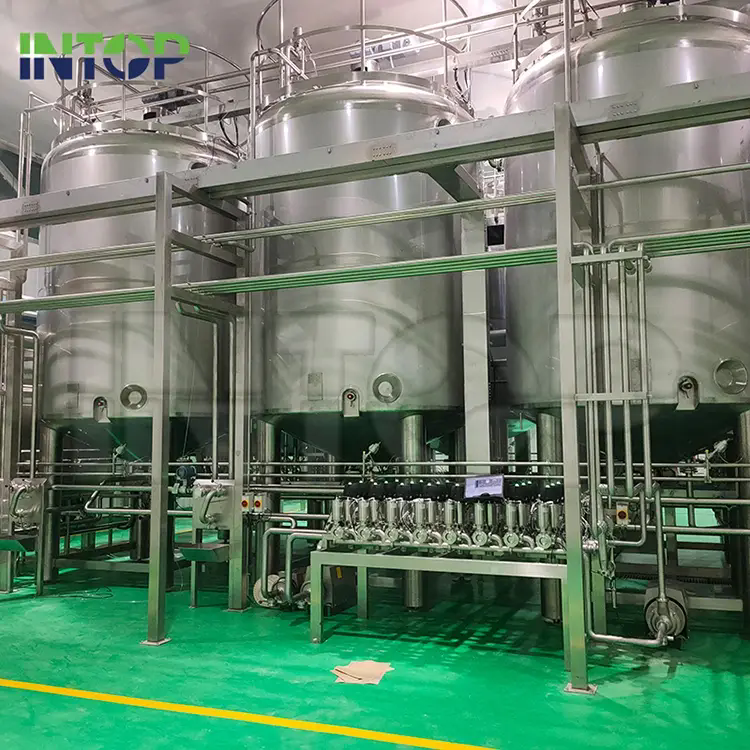
Table of Contents
- Introduction
- Yogurt Processing Steps
- Key Equipment Overview
- Quality Control and Troubleshooting
- Efficiency and Cost Optimization Tips
- FAQ
- Conclusion
Introduction
Yogurt processing lines are specialized production systems designed to handle the entire yogurt manufacturing process efficiently. These lines integrate advanced technology to streamline operations, reduce manual labor, and ensure consistent product quality. From milk preparation to packaging, every stage is carefully monitored to meet food safety standards.
Yogurt Processing Steps
1. Milk Reception and Pre-treatment
The first step involves receiving raw milk and performing pre-treatment processes such as:
- Filtration to remove impurities
- Standardization of fat content
- Homogenization for smooth texture
2. Pasteurization
Pasteurization is critical for destroying harmful bacteria. Common methods include:
- High-Temperature Short-Time (HTST) pasteurization
- Ultra-High Temperature (UHT) pasteurization for longer shelf life
3. Cooling and Inoculation
After pasteurization, milk is cooled to the optimal temperature for adding starter cultures. This step ensures proper fermentation and desired yogurt consistency.
4. Fermentation
Fermentation typically occurs in a controlled environment for several hours. Maintaining the correct temperature and time is essential for taste and texture. Commonly used bacterial cultures include Lactobacillus bulgaricus and Streptococcus thermophilus.
5. Flavoring and Mixing
Once fermentation is complete, fruit, sweeteners, or other flavorings can be added. Automated mixing systems ensure even distribution and prevent settling.
6. Packaging
Packaging can be done in cups, bottles, or multi-serve containers. Modern yogurt lines often integrate:
- Filling machines with precise volume control
- Sealing machines to maintain hygiene
- Labeling systems for branding
7. Cooling and Storage
After packaging, yogurt is quickly cooled to preserve freshness and extend shelf life. Cold storage is maintained until distribution.
Key Equipment Overview
| Equipment | Function | Key Benefit |
|---|---|---|
| Milk Reception Tank | Receives and stores raw milk | Maintains hygiene and temperature control |
| Pasteurizer | Heat treatment of milk | Ensures safety and prolongs shelf life |
| Fermentation Tank | Incubates milk with starter cultures | Controls temperature and fermentation time |
| Filling and Sealing Machine | Packs yogurt into containers | Improves efficiency and reduces contamination |
Quality Control and Troubleshooting
Maintaining quality in a yogurt processing line requires rigorous monitoring of key parameters:
- Temperature control during pasteurization and fermentation
- pH monitoring to ensure correct fermentation
- Visual inspection for texture and consistency
Common troubleshooting issues include:
- Inconsistent yogurt thickness – may require adjusting homogenization pressure
- Off-flavors – often caused by improper starter culture handling
- Packaging defects – can be minimized with routine equipment maintenance
Efficiency and Cost Optimization Tips
To maximize output and reduce costs in yogurt production, consider these strategies:
- Automate as many steps as possible, from mixing to packaging
- Regularly maintain and calibrate equipment to avoid downtime
- Optimize fermentation cycles based on batch size and temperature
- Implement real-time monitoring systems to detect anomalies early
FAQ
- Q1: How long does fermentation typically take?
- Fermentation usually takes between 4 to 6 hours, depending on the culture and temperature.
- Q2: Can fruit or flavoring be added before fermentation?
- It's recommended to add flavors after fermentation to prevent interference with bacterial activity.
- Q3: How often should equipment be cleaned?
- Critical equipment should be cleaned after each production cycle, while non-contact parts may be cleaned daily or weekly as per hygiene standards.
Conclusion
Understanding the entire yogurt processing line, from milk reception to packaging, allows manufacturers to produce high-quality yogurt efficiently. Proper equipment selection, careful monitoring of fermentation, and consistent quality control are key factors for success. Intop offers comprehensive yogurt processing solutions that streamline operations and ensure consistent results. For more information about our products and customized solutions, contact us today.