

How Does an Electric Magnetic Iron Remover Compare with Permanent Magnetic Separators
2026-11-04
Selecting the right magnetic separation equipment directly affects product purity, operational uptime, and long-term cost in industries ranging from food processing to mining. An Electric Magnetic Iron Remover and a permanent magnetic separator both capture ferrous contaminants, yet they differ significantly in field strength, maintenance demands, and lifecycle economics. EPIC has supplied both technologies across demanding production environments, and this comparison draws on that hands-on experience to help you decide which solution fits your line.
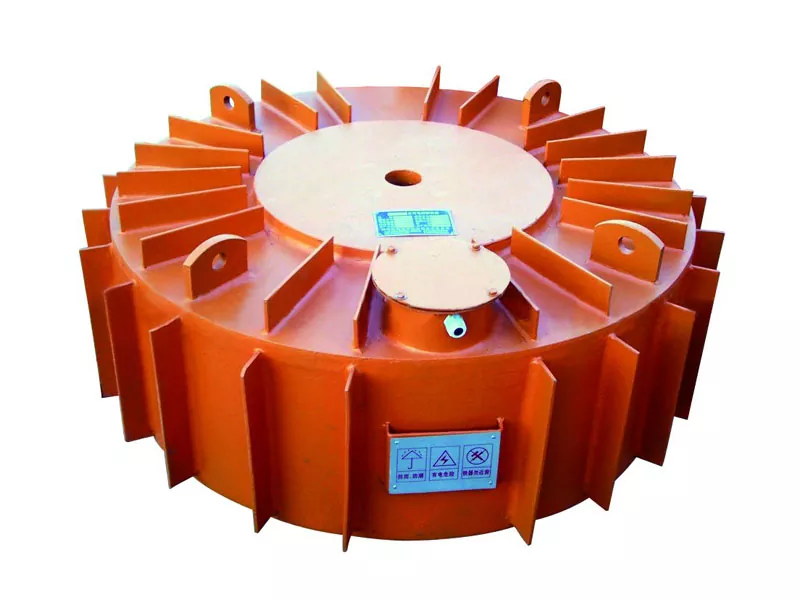
Core Differences at a Glance
| Feature | Electric Magnetic Iron Remover | Permanent Magnetic Separator |
|---|---|---|
| Magnetic source | Electromagnetic coil, adjustable field strength | Permanent magnets (ferrite or neodymium) |
| Typical field strength | Higher and tunable, suitable for fine or weakly magnetic tramp iron | Fixed, generally lower for large-gap applications |
| Power requirement | Requires electrical supply and cooling | None during operation |
| Maintenance | Coil and cooling system checks, periodic inspection | Minimal; magnet degradation over years |
| Contamination removal | Can be switched off for easy cleaning | Manual removal or belt-driven discharge |
| Best fit | High-capacity lines, fine powders, stringent purity targets | Simple installations, remote sites, low-power environments |
Key Comparison Points
-
Field Strength and Capture Efficiency: An Electric Magnetic Iron Remover generates a stronger, adjustable field, which improves capture of fine iron particles and weakly magnetic contaminants in deep product beds. Permanent units perform well for coarse tramp iron but lose effectiveness as gap depth increases.
-
Operational Flexibility: Electromagnetic systems allow field adjustment for different products and can be de-energized for cleaning. Permanent separators run continuously without power but offer no tuning capability.
-
Cost Structure: Permanent separators carry lower upfront and operating costs. An Electric Magnetic Iron Remover involves higher initial investment and electricity consumption, yet often delivers better purity outcomes and lower product loss in precision applications.
-
Maintenance and Reliability: Permanent magnets require little attention but weaken gradually. Electromagnetic units need coil and cooling maintenance, which EPIC addresses through robust designs and clear service schedules.
FAQ
Q: Can an Electric Magnetic Iron Remover handle fine powders better than a permanent separator?
A: Yes. The adjustable, higher field strength of an Electric Magnetic Iron Remover penetrates deeper product layers and captures fine or weakly magnetic iron, which permanent separators often miss in high-bulk powder flows.
Q: Is an Electric Magnetic Iron Remover more expensive to operate than a permanent magnetic separator?
A: It consumes electricity and requires cooling maintenance, so operating costs are higher. However, improved capture rates and reduced product contamination often offset this through lower rejection losses and fewer quality claims.
Q: When should a permanent magnetic separator be preferred over an Electric Magnetic Iron Remover?
A: Choose permanent separation for low-power sites, simple coarse-iron removal, or budget-sensitive installations. Select an Electric Magnetic Iron Remover when purity targets are strict, product beds are deep, or field strength must be adjusted across multiple materials.
EPIC engineers both configurations and matches the technology to your process conditions rather than pushing a single solution. Contact EPIC today to request a technical assessment and find the magnetic separation system that protects your product quality and bottom line.