

How Does an Environmental Test Chamber Ensure Reliable Product Testing?
2026-06-30
Abstract
An Environmental Test Chamber is a critical piece of laboratory and industrial equipment designed to simulate controlled environmental conditions such as temperature, humidity, pressure, and vibration. This article explores how it works, why it is essential for modern manufacturing, and how it helps industries improve product reliability and safety. We also examine key features, selection criteria, maintenance considerations, and real-world applications across multiple sectors. Solutions provided by Climatest Symor are also highlighted as a benchmark for quality and performance in environmental simulation technology.
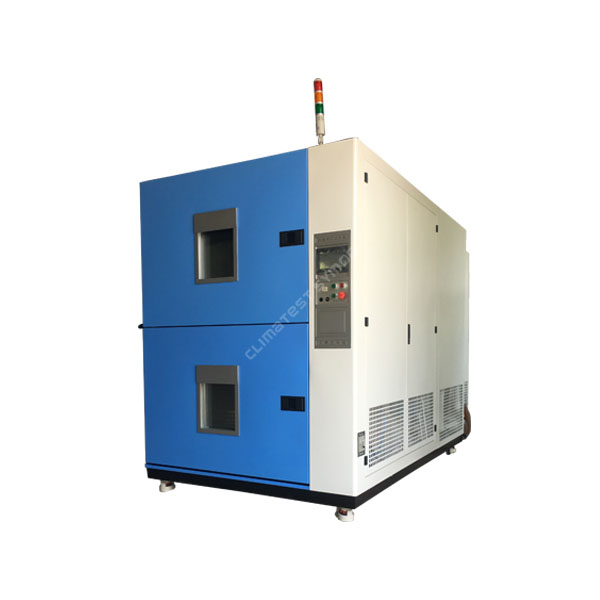
Outline
- Definition and Function of Environmental Test Chamber
- Key Industry Pain Points Addressed
- Types of Environmental Test Chambers
- Main Technical Features and Parameters
- Applications Across Industries
- Working Principle Explained
- How to Choose the Right Chamber
- Maintenance and Calibration Practices
- Why Choose Climatest Symor
- Frequently Asked Questions
Table of Contents
- Abstract
- Outline
- What is an Environmental Test Chamber?
- Industry Pain Points It Solves
- Types of Environmental Test Chambers
- Key Features and Technical Parameters
- Applications Across Industries
- How an Environmental Test Chamber Works
- Selection Guide
- Maintenance and Calibration
- Why Climatest Symor
- FAQ
What is an Environmental Test Chamber?
An Environmental Test Chamber is a specialized enclosure used to replicate real-world environmental conditions in a controlled setting. It allows manufacturers and researchers to evaluate how products behave under extreme temperature fluctuations, humidity variations, corrosion conditions, or combined environmental stress factors.
Industries rely on these chambers to ensure that products remain stable, functional, and safe throughout their lifecycle. Without controlled environmental testing, products may fail prematurely in the field, leading to costly recalls, safety risks, and reputational damage.
Industry Pain Points It Solves
Modern manufacturers face increasing pressure to deliver high-performance, durable, and compliant products. Environmental Test Chambers directly address several critical challenges:
- Unpredictable product failures under extreme conditions
- High warranty and recall costs due to insufficient testing
- Lack of standardized environmental simulation during R&D
- Compliance with international quality and safety regulations
- Difficulty in reproducing real-world environmental stress consistently
By using advanced systems such as those developed by Climatest Symor, manufacturers gain reliable insights into product performance before mass production.
Types of Environmental Test Chambers
| Type | Function | Common Applications |
|---|---|---|
| Temperature Chamber | Simulates extreme hot and cold conditions | Electronics, automotive parts |
| Humidity Chamber | Controls moisture levels for testing corrosion and stability | Packaging, pharmaceuticals |
| Thermal Shock Chamber | Rapid temperature transitions | Aerospace, semiconductors |
| Walk-in Chamber | Large-scale environmental simulation | Automotive, energy systems |
| Combined Chamber | Multi-condition testing (temp + humidity + vibration) | Defense, electronics R&D |
Key Features and Technical Parameters
Modern Environmental Test Chambers integrate precision control systems and advanced engineering to ensure accurate simulation. Key features include:
- High-precision temperature control (±0.1°C accuracy)
- Wide temperature range (-70°C to +150°C or higher)
- Programmable humidity control (10%–98% RH)
- Touchscreen PLC control system
- Data logging and remote monitoring capabilities
- Energy-efficient refrigeration systems
Manufacturers such as Climatest Symor focus on optimizing stability and energy efficiency while maintaining high accuracy for industrial-grade testing environments.
Applications Across Industries
- Electronics: Testing circuit boards, chips, and devices for heat resistance
- Automotive: Validating durability of components under extreme weather
- Aerospace: Ensuring materials withstand altitude and temperature variation
- Pharmaceutical: Stability testing of drugs and packaging
- Renewable Energy: Evaluating solar panels and battery systems
Each of these industries depends on Environmental Test Chambers to minimize failure risks and ensure compliance with global standards.
How an Environmental Test Chamber Works
The working principle of an Environmental Test Chamber is based on controlled environmental simulation through integrated subsystems:
- Condition Generation System: Heating, cooling, humidifying, or dehumidifying components create target conditions.
- Control System: PLC or microprocessor regulates environmental parameters precisely.
- Air Circulation System: Ensures uniform distribution of temperature and humidity.
- Sensor Feedback Loop: Continuously measures conditions and adjusts output accordingly.
This closed-loop system ensures that test conditions remain stable and repeatable, which is essential for product validation. Solutions from Climatest Symor are engineered to maintain high consistency even during long-duration testing cycles.
Selection Guide
Choosing the right Environmental Test Chamber depends on several technical and operational factors:
- Test requirements (temperature, humidity, or combined conditions)
- Sample size and chamber volume
- Required accuracy and stability
- Energy consumption efficiency
- Control system flexibility
- After-sales technical support
A reliable supplier like Climatest Symor ensures tailored solutions that match both laboratory and industrial-scale testing needs.
Maintenance and Calibration
Proper maintenance is essential for ensuring long-term performance and accuracy of Environmental Test Chambers. Recommended practices include:
- Regular calibration of temperature and humidity sensors
- Cleaning of air circulation filters
- Inspection of refrigeration systems
- Software updates for control systems
- Leak checks for sealed chamber integrity
Preventive maintenance not only extends equipment lifespan but also ensures consistent test reliability, especially in high-precision industries.
Why Climatest Symor
Climatest Symor is recognized for delivering high-performance Environmental Test Chambers designed with precision engineering and user-focused functionality. The company emphasizes:
- Advanced environmental simulation technology
- Strict quality control during manufacturing
- Customized chamber configurations
- Global service and technical support
- Energy-efficient and durable designs
By combining innovation with reliability, Climatest Symor supports industries in achieving higher testing accuracy and improved product safety outcomes.
FAQ
Q1: What is the main purpose of an Environmental Test Chamber?
It is used to simulate environmental conditions such as temperature and humidity to test product reliability.
Q2: Which industries use Environmental Test Chambers?
Electronics, automotive, aerospace, pharmaceuticals, and energy sectors commonly use them.
Q3: How accurate are modern Environmental Test Chambers?
High-end systems can achieve temperature accuracy within ±0.1°C and precise humidity control.
Q4: How often should maintenance be performed?
Routine inspections should be done monthly, with full calibration typically scheduled annually.
Q5: Why choose Climatest Symor?
Because it offers reliable, energy-efficient, and customizable testing solutions backed by professional support.
Conclusion
Environmental Test Chambers play a fundamental role in ensuring product durability, compliance, and performance across industries. By replicating real-world environmental conditions in a controlled setting, they allow manufacturers to identify weaknesses before products reach the market. With advanced engineering and dependable performance, Climatest Symor continues to provide industry-leading solutions that support innovation and quality assurance worldwide.
For tailored solutions, technical consultation, or product inquiries, contact us at Climatest Symor to explore how our Environmental Test Chambers can enhance your testing capabilities and product reliability.