

How Does an Oil-Free Silent Air Compressor Redefine Clean and Quiet Compressed Air Applications?
2025-12-15
An Oil-Free Silent Air Compressor is engineered to deliver compressed air without lubricating oil in the compression chamber while maintaining exceptionally low noise output. This category of compressor addresses the growing demand for clean air, acoustic comfort, and operational reliability across medical, dental, laboratory, food processing, electronics manufacturing, and precision industrial environments.
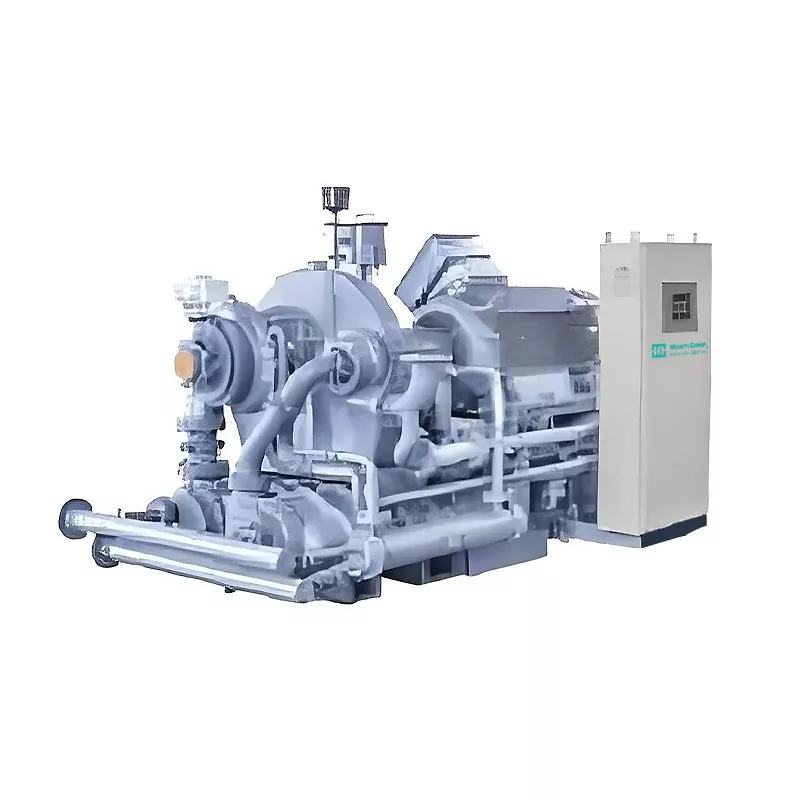
Unlike traditional oil-lubricated systems, oil-free silent air compressors eliminate the risk of oil carryover in downstream air lines. This characteristic is critical in applications where air purity directly affects product quality, equipment lifespan, and safety standards. At the same time, sound-dampening enclosures, optimized motor designs, and vibration-reducing components significantly reduce operational noise, allowing these compressors to be installed closer to point-of-use without compromising workplace comfort.
Technical Parameters and Engineering Configuration
Oil-free silent air compressors rely on precision manufacturing and advanced materials to compensate for the absence of oil lubrication. Their internal architecture is designed to minimize friction, manage heat effectively, and maintain consistent pressure output. Below is a consolidated overview of typical technical parameters that define a professional-grade oil-free silent air compressor.
| Parameter | Typical Specification Range |
|---|---|
| Compression Type | Oil-free piston or scroll |
| Rated Power | 0.75 HP – 5.5 HP |
| Air Delivery (FAD) | 80 – 600 L/min |
| Maximum Pressure | 8 – 10 bar |
| Noise Level | 40 – 65 dB(A) |
| Tank Capacity | 9 – 200 liters |
| Voltage Options | 110V / 220V / 380V |
| Cooling Method | Air-cooled with thermal protection |
| Air Quality Class | ISO 8573-1 Class 0 or Class 1 |
| Duty Cycle | Continuous or intermittent |
From an engineering perspective, oil-free pistons are typically coated with self-lubricating materials such as PTFE or advanced composite polymers. These coatings reduce wear and friction while maintaining tight tolerances within the cylinder. Scroll-type oil-free compressors utilize interleaving spiral elements to compress air smoothly, resulting in lower vibration and reduced noise emission.
Noise control is achieved through multiple design layers, including insulated acoustic housings, low-RPM motors, balanced crankshafts, and anti-vibration mounts. The combined effect is a compressor that operates quietly enough for indoor environments such as clinics, laboratories, and workshops where ambient noise levels must remain controlled.
Thermal management is another defining aspect. Since oil is not present to absorb and dissipate heat, oil-free silent compressors employ enhanced airflow paths, finned cylinders, and temperature sensors to prevent overheating. This ensures stable performance even during extended operation cycles.
Application Logic, Operational Value, and Industry Direction
Oil-free silent air compressors are increasingly adopted in sectors where air purity and acoustic performance are non-negotiable. In medical and dental facilities, compressed air is often used directly in patient-facing tools, making oil contamination unacceptable. Silent operation also improves patient comfort and supports a calm clinical environment.
In food and beverage processing, compressed air may come into direct or indirect contact with products and packaging. Oil-free air helps meet hygiene standards and reduces the risk of product recalls. Similarly, electronics manufacturing relies on clean, dry air to protect sensitive components from contamination and static-related damage.
From an operational standpoint, oil-free silent air compressors simplify maintenance planning. Without oil changes, separators, or disposal procedures, routine servicing focuses on filter replacement, belt inspection (if applicable), and general system checks. This reduces downtime and lowers total cost of ownership over the equipment lifecycle.
Energy efficiency trends are also shaping this compressor segment. Manufacturers are integrating high-efficiency motors, optimized compression chambers, and intelligent control systems to align with stricter energy regulations and sustainability goals. Variable speed drive compatibility and smart pressure management further enhance efficiency by matching air output to real-time demand.
As regulatory frameworks increasingly emphasize workplace safety, noise reduction, and environmental responsibility, oil-free silent air compressors align well with future compliance requirements. Their design philosophy reflects a broader industry shift toward cleaner, quieter, and more adaptable compressed air solutions.
Common Questions About Oil-Free Silent Air Compressors
How does an oil-free silent air compressor maintain durability without oil lubrication?
Durability is achieved through precision-engineered components, self-lubricating materials, and optimized thermal control. Coated pistons or scroll elements minimize friction, while controlled operating speeds reduce mechanical stress. Effective cooling systems and real-time thermal protection prevent overheating, ensuring long service life despite the absence of oil.
How is air quality ensured in oil-free silent air compressor systems?
Air quality is maintained by eliminating oil from the compression chamber and integrating high-efficiency intake and outlet filtration. These systems prevent particulate ingress and moisture buildup, enabling compliance with strict air quality classifications such as ISO 8573-1. The result is consistently clean air suitable for sensitive applications.
Brand Perspective and Contact Guidance
Oil-free silent air compressors represent a refined balance between clean air delivery, acoustic control, and dependable performance. Their technical evolution reflects the needs of modern industries that prioritize precision, safety, and environmental responsibility. By integrating advanced materials, intelligent design, and compliance-driven engineering, this compressor category continues to redefine expectations for compressed air systems.
Dream focuses on developing oil-free silent air compressor solutions that align with professional application demands and long-term operational stability. Each system is designed with attention to air purity, noise management, and consistent output to support diverse usage scenarios.
For detailed specifications, application guidance, or customized system recommendations, contact us to discuss how an oil-free silent air compressor can be integrated into specific operational requirements. A dedicated support team is available to provide technical consultation and project-level assistance tailored to industry needs.