

How Does an Ozone Generator Work and Why Is It Important?
2026-01-07
Article Summary
This article provides a detailed exploration of Ozone Generators, focusing on how they operate, their practical applications, and answers to the most frequently asked questions. Readers will gain a comprehensive understanding of product specifications, usage scenarios, and industry considerations.
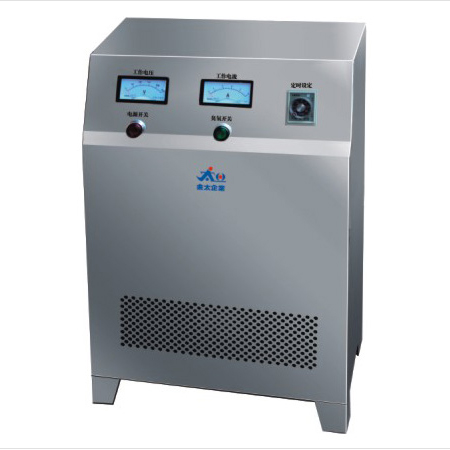
Table of Contents
1. Introduction to Ozone Generators
Ozone Generators are devices designed to produce ozone (O3) for various industrial, commercial, and residential applications. They are widely utilized for water treatment, air purification, and odor removal due to their powerful oxidizing properties. This article will explore the operational principles, core specifications, and practical uses of Ozone Generators, providing a complete guide for businesses and consumers seeking professional insights.
2. Key Parameters and Specifications
Understanding the technical specifications of an Ozone Generator is crucial for selecting the right model for any application. Below is a detailed specification table for a standard industrial Ozone Generator:
| Parameter | Description |
|---|---|
| Ozone Output | 1-20 g/h depending on model |
| Power Supply | 110-240V AC, 50/60Hz |
| Ozone Concentration | 1-80 mg/L |
| Operating Temperature | 0-40°C |
| Dimensions | 400 x 300 x 200 mm |
| Weight | 10-25 kg |
| Material | Stainless steel casing, ceramic ozone plates |
3. How Ozone Generators Work
3.1 Principle of Operation
Ozone Generators function by converting oxygen (O2) in the air into ozone (O3) using either corona discharge, ultraviolet (UV) light, or electrolysis methods. The corona discharge method is the most widely used due to its efficiency and reliability in producing high concentrations of ozone.
3.2 Step-by-Step Process
- Air is filtered to remove dust and moisture.
- Oxygen molecules are exposed to an electrical discharge or UV light.
- The O2 molecules are split and recombine as O3 molecules.
- Ozone is released for application, ensuring controlled concentration for safety.
3.3 Key Considerations
Operational efficiency depends on ambient temperature, humidity, and airflow rate. Proper maintenance, such as cleaning ozone plates and ensuring stable power supply, extends the device’s lifespan.
4. Applications of Ozone Generators
Ozone Generators are versatile tools used across multiple industries. Some primary applications include:
- Water Treatment: Disinfection of drinking water, wastewater, and swimming pools.
- Air Purification: Removal of airborne bacteria, viruses, and odors in hospitals, offices, and industrial settings.
- Food Industry: Preservation of fruits, vegetables, and packaged goods through microbial control.
- Odor Control: Eliminating smoke, mold, and chemical odors in residential and commercial environments.
- Medical Applications: Sterilization of medical instruments and treatment of certain skin conditions.
5. Frequently Asked Questions About Ozone Generators
Q1: How safe is using an Ozone Generator indoors?
A1: Ozone can be harmful at high concentrations. When using an Ozone Generator indoors, it is crucial to operate it in unoccupied spaces and follow the manufacturer’s safety guidelines. Adequate ventilation after operation ensures that residual ozone is removed before re-entering the area.
Q2: How often should an Ozone Generator be maintained?
A2: Regular maintenance is essential for optimal performance. Cleaning ozone plates, replacing filters, and checking electrical components every 3-6 months, depending on usage, prevents efficiency loss and extends the lifespan of the device.
Q3: How does humidity affect Ozone Generator performance?
A3: High humidity can reduce ozone output by absorbing ozone molecules or causing arcing on corona plates. Operating within recommended humidity levels (typically below 70%) ensures maximum efficiency and prevents device damage.
6. Conclusion and Contact
Ozone Generators are critical solutions for air purification, water treatment, and odor control, combining advanced technology with practical applications. Jinda offers professional-grade Ozone Generators designed for reliability, efficiency, and long-term use. For detailed inquiries, product selection guidance, or custom solutions, contact us directly to receive personalized support and expert consultation.