

How Does Asphalt Recycled Mixing Plant Improve Road Construction Efficiency?
2025-12-30
Abstract: Asphalt Recycled Mixing Plant plays a critical role in sustainable road construction, allowing the reuse of old asphalt materials while maintaining high-quality road surfaces. This article provides a comprehensive overview of the plant's specifications, working principles, advantages, and addresses frequently asked questions for engineers, contractors, and project planners. The discussion includes detailed technical parameters, operation guidelines, and future prospects in the construction industry.
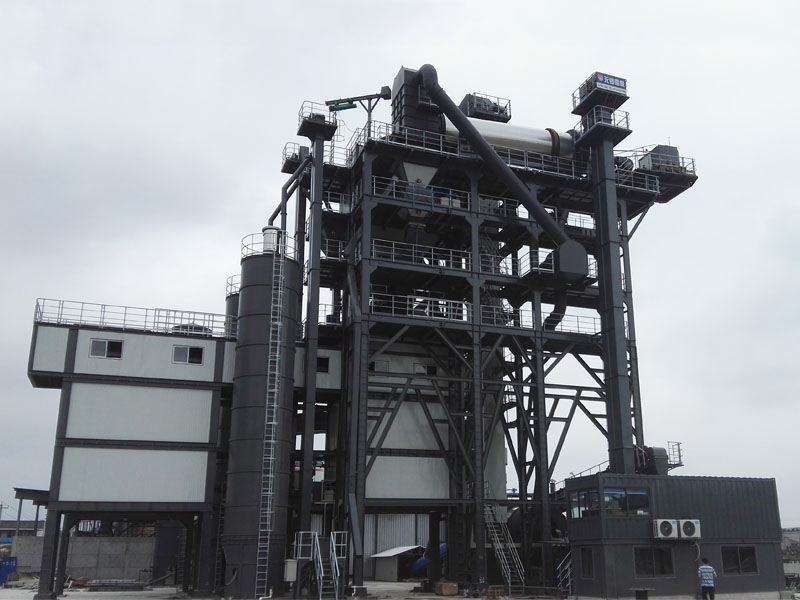
Table of Contents
- Introduction to Asphalt Recycled Mixing Plant
- Technical Specifications and Key Features
- Operation Process and Efficiency Improvements
- Frequently Asked Questions
- Future Trends and Applications
- Conclusion and Contact Information
Introduction to Asphalt Recycled Mixing Plant
An Asphalt Recycled Mixing Plant is a specialized piece of equipment designed for the processing and recycling of reclaimed asphalt pavement (RAP) materials. It integrates modern mixing technology, heating systems, and storage silos to efficiently produce high-quality recycled asphalt mixtures suitable for road construction projects. The central purpose of this article is to examine how Asphalt Recycled Mixing Plants improve construction efficiency while promoting environmental sustainability.
These plants enable contractors to reduce costs, reuse materials, and maintain consistent asphalt quality across various project scales. The technology is particularly relevant in regions with high road maintenance demands, where recycling reduces both raw material consumption and environmental impact.
Technical Specifications and Key Features
The following table provides an overview of typical specifications for a high-performance Asphalt Recycled Mixing Plant:
| Parameter | Specification |
|---|---|
| Production Capacity | 40–240 t/h |
| Mixing System | Double-shaft mixer with variable speed control |
| Heating Method | Indirect heating with thermal oil or diesel burner |
| Recycling Rate | Up to 70% reclaimed asphalt |
| Cold Aggregate Storage Bins | 4–6 bins, 8–15 m³ per bin |
| Hot Aggregate Storage | Up to 60 tons capacity |
| Dust Collection System | High-efficiency bag filter with automatic cleaning |
| Control System | PLC intelligent control with touch screen |
| Mixing Temperature | 130–180°C |
| Power Supply | 380V/50Hz (customizable) |
Operation Process and Efficiency Improvements
The operation of an Asphalt Recycled Mixing Plant involves a sequence of steps designed to ensure quality and efficiency:
- Material Feeding: Cold aggregates and reclaimed asphalt materials are measured and loaded into storage bins.
- Heating and Drying: Aggregates are heated to remove moisture while RAP materials are pre-heated to maintain consistency.
- Mixing: Heated aggregates, RAP, and bitumen are combined in a double-shaft mixer to produce a homogeneous asphalt mixture.
- Storage and Loading: The mixed asphalt is temporarily stored in a hot silo and then loaded into trucks for transportation to the construction site.
Operational efficiency is enhanced through automated control systems that allow precise measurement, temperature regulation, and material blending. This ensures minimal material waste and reduces energy consumption. Furthermore, the recycling of asphalt directly contributes to sustainability by lowering the demand for virgin aggregates and bitumen.
Frequently Asked Questions
1. How much reclaimed asphalt can be processed in a recycling plant?
An Asphalt Recycled Mixing Plant can typically process up to 70% reclaimed asphalt, depending on the plant design and material quality. The plant uses a heating and blending system to ensure that recycled asphalt integrates seamlessly with fresh aggregates and bitumen.
2. How does the plant maintain asphalt quality during recycling?
The plant employs a combination of indirect heating, precise temperature control, and a double-shaft mixer to ensure uniform distribution of bitumen and aggregates. Sensors and PLC systems monitor moisture content, temperature, and mixing time to maintain consistent output quality.
3. How does using a recycling plant reduce construction costs?
By reusing reclaimed asphalt, contractors save on raw material expenses such as aggregates and bitumen. Additionally, reduced transportation costs for new materials and lower energy consumption contribute to significant cost reductions over time.
Future Trends and Applications
Asphalt Recycled Mixing Plants are expected to play an increasingly critical role in sustainable construction. Innovations such as digital monitoring, AI-assisted process optimization, and improved thermal efficiency are becoming industry standards. The use of recycled asphalt not only lowers environmental impact but also meets stringent government regulations for road construction materials.
Potential future applications include:
- Integration with smart city infrastructure for predictive maintenance of urban roads.
- Expansion of mobile recycling plants to enable on-site road repair and renovation.
- Incorporation of new materials such as polymers and warm-mix additives to enhance asphalt performance.
Conclusion and Contact Information
In summary, Asphalt Recycled Mixing Plants provide an efficient, cost-effective, and environmentally friendly solution for modern road construction. Their ability to integrate recycled materials, automate processes, and deliver high-quality asphalt makes them a strategic choice for contractors worldwide. CXTCM is committed to delivering advanced recycling plant solutions that meet diverse project needs and adhere to the latest industry standards.
For further inquiries or project consultation, contact us to explore how CXTCM's Asphalt Recycled Mixing Plant can optimize your construction workflow.