

How Does Diode Laser Hair Removal Work?
2026-04-20
Article Summary
Diode laser hair removal has become one of the most sought-after solutions for long-term hair reduction. This article explains how the technology works, what results to expect, and how it compares to other methods. It also addresses common concerns such as pain, safety, skin compatibility, and treatment frequency, helping users make informed decisions before investing in professional treatments or equipment.
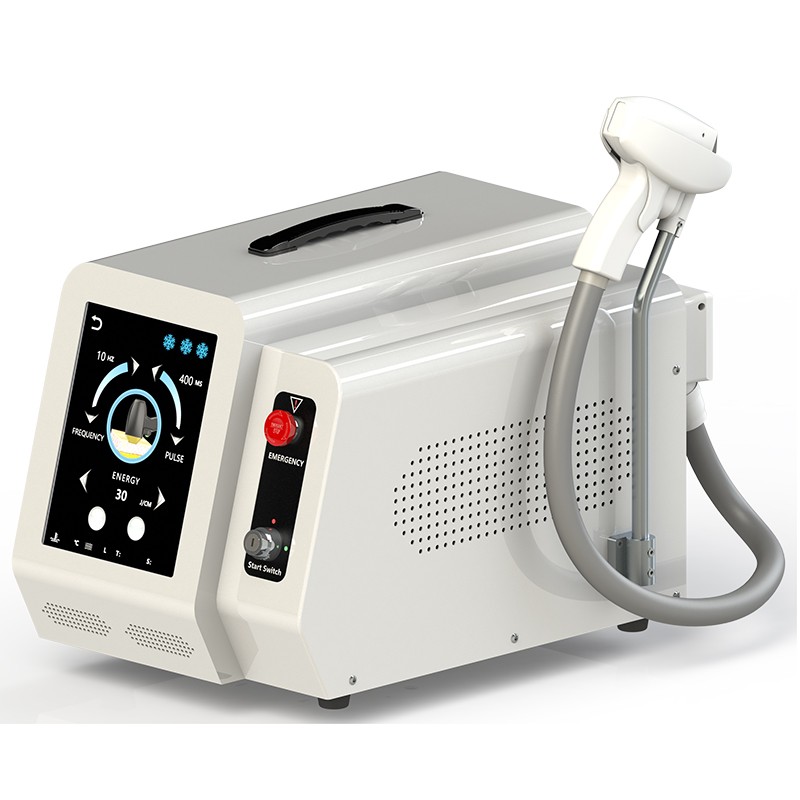
Table of Contents
- Overview of Diode Laser Hair Removal
- How the Technology Works
- Key Benefits
- Comparison with Other Hair Removal Methods
- Treatment Process Step-by-Step
- Safety and Skin Considerations
- Expected Results and Timeline
- Cost Factors
- Frequently Asked Questions
Overview of Diode Laser Hair Removal
Diode laser hair removal is a medical-grade cosmetic procedure that uses a concentrated beam of light to target and destroy hair follicles. Unlike temporary methods such as shaving or waxing, this technology focuses on long-term reduction by damaging the follicle at its root.
The diode laser operates at a wavelength typically around 800–810 nm, which allows deep penetration into the skin while maintaining high absorption by melanin in the hair. This makes it particularly effective for individuals with darker hair and lighter skin tones, although modern advancements have improved safety for a wider range of skin types.
How the Technology Works
The principle behind diode laser hair removal is selective photothermolysis. This process involves targeting specific chromophores (melanin in hair) without damaging surrounding tissue.
- The laser emits a focused beam of light.
- Melanin in the hair absorbs the light energy.
- The energy converts into heat.
- Heat damages the hair follicle, inhibiting future growth.
Because hair grows in cycles, the laser is most effective during the active growth phase (anagen phase). This is why multiple sessions are required for optimal results.
Key Benefits
Users often choose diode laser hair removal due to its efficiency and long-lasting results. Below are the most significant advantages:
- Long-Term Reduction: Noticeable decrease in hair growth after several sessions.
- Precision: Targets coarse, dark hairs without affecting surrounding skin.
- Speed: Large areas such as legs or back can be treated quickly.
- Minimal Discomfort: Advanced cooling systems improve comfort.
- Reduced Ingrown Hairs: Helps prevent irritation caused by shaving or waxing.
Comparison with Other Hair Removal Methods
| Method | Duration of Results | Pain Level | Cost Over Time | Effectiveness |
|---|---|---|---|---|
| Shaving | 1–3 days | Low | Low (recurring) | Temporary |
| Waxing | 3–6 weeks | Medium to High | Moderate | Short-term |
| IPL | Moderate | Low to Medium | Moderate | Less precise |
| Diode Laser | Long-term | Low to Medium | Higher initial, lower long-term | Highly effective |
Treatment Process Step-by-Step
- Consultation: Skin type and hair characteristics are evaluated.
- Preparation: Area is shaved and cleaned before treatment.
- Parameter Setting: Device settings adjusted based on skin tone and hair thickness.
- Laser Application: Pulses of laser energy are delivered to the target area.
- Cooling: Integrated cooling systems reduce discomfort and protect the skin.
- Post-Treatment Care: Application of soothing creams and sun protection advice.
Safety and Skin Considerations
Safety is a primary concern for users considering laser hair removal. Modern diode laser systems incorporate advanced cooling mechanisms and adjustable parameters to minimize risks.
- Suitable for various skin types with proper calibration.
- Low risk of burns when operated by trained professionals.
- Temporary redness or swelling may occur but usually subsides quickly.
- Sun protection is essential before and after treatment.
Choosing high-quality equipment from reliable manufacturers significantly enhances both safety and treatment outcomes.
Expected Results and Timeline
Results vary depending on hair type, skin tone, and treatment consistency. However, most users can expect:
- Visible reduction after 2–3 sessions
- Significant hair thinning after 4–6 sessions
- Long-term reduction after 6–8 sessions
Maintenance sessions may be required annually or biannually to sustain results.
Cost Factors
While diode laser hair removal may have a higher upfront cost compared to traditional methods, it often proves more economical over time.
- Treatment area size
- Number of sessions required
- Technology and device quality
- Clinic or provider expertise
Investing in advanced systems ensures better efficiency, reducing the number of sessions needed and improving overall satisfaction.
Frequently Asked Questions
Is diode laser hair removal painful?
Most users describe the sensation as a mild snapping feeling. Cooling technology significantly reduces discomfort.
Can all skin types be treated?
Yes, modern diode lasers are designed to accommodate a wide range of skin tones with proper adjustments.
How long does each session take?
Small areas like the upper lip may take minutes, while larger areas such as legs can take up to an hour.
Are the results permanent?
Hair reduction is long-lasting, but occasional maintenance sessions may be needed.
Is there any downtime?
No significant downtime is required. Most individuals resume normal activities immediately after treatment.
Conclusion
Diode laser hair removal offers a scientifically advanced, efficient, and reliable solution for long-term hair reduction. By understanding how the technology works and what to expect during the process, users can confidently choose this method over traditional alternatives.
For businesses and professionals seeking high-performance equipment, Xiamen ELOS Photoelectric Technology Co., Ltd. provides cutting-edge diode laser solutions designed for safety, efficiency, and superior results. Contact us today to explore how our technology can elevate your services and meet your clients’ expectations.