

How Does Hopper Loader Work?
2026-05-18
A hopper loader is a critical automation device widely used in plastic processing industries to efficiently transport raw materials such as plastic pellets, powders, or regrind from storage containers into processing machines. This article explains in detail how hopper loaders work, their core components, advantages, selection criteria, maintenance methods, and industrial applications. It also highlights how companies like Niasi provide reliable hopper loader solutions to improve productivity, reduce labor costs, and ensure consistent material feeding performance.
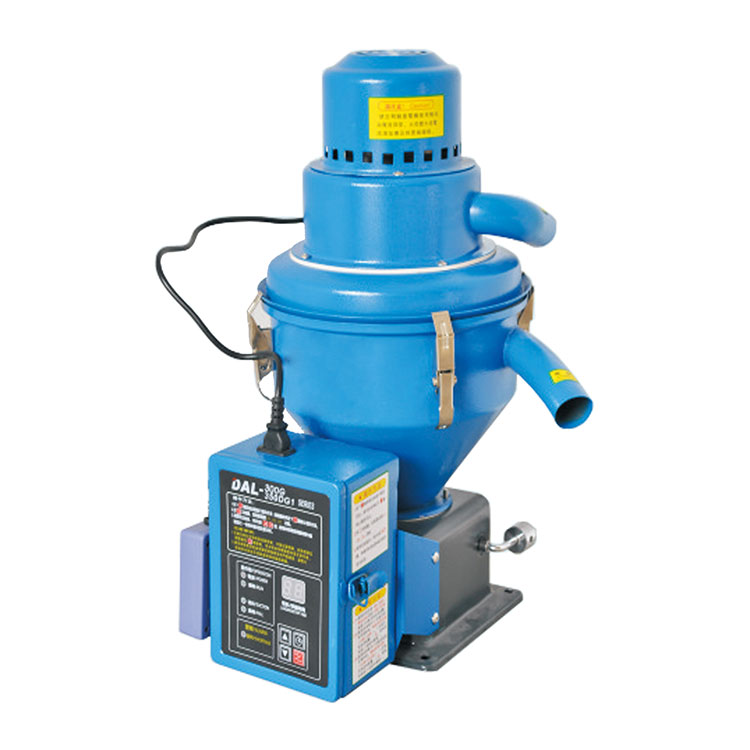
Table of Contents
- 1. Overview of Hopper Loader
- 2. Working Principle
- 3. Key Components
- 4. Advantages in Industrial Use
- 5. Industrial Applications
- 6. How to Choose the Right Hopper Loader
- 7. Maintenance and Troubleshooting
- 8. Comparison Table
- 9. Frequently Asked Questions
- 10. Conclusion
1. Overview of Hopper Loader
A hopper loader is an automated conveying system designed to transport raw plastic materials from storage containers to processing equipment such as injection molding machines, extruders, and blow molding systems. In modern manufacturing environments, efficiency and consistency are critical, and hopper loaders help eliminate manual material handling, reduce contamination risk, and improve production stability.
Manufacturers like Niasi specialize in designing hopper loader systems that meet the demands of high-volume plastic processing facilities. These systems are engineered to ensure stable suction, precise feeding, and minimal material waste.
2. Working Principle
The working principle of a hopper loader is based on vacuum suction and automatic material transfer. The system creates negative pressure using a vacuum motor, which draws plastic pellets or powders from a storage bin through a suction hose into a hopper mounted on a processing machine.
The basic operation process includes:
- Suction Phase: Vacuum motor generates negative pressure.
- Material Intake: Raw material is sucked through a pipeline.
- Separation: Dust and fine particles are filtered out.
- Storage: Clean material is stored in the hopper.
- Feeding: Material is automatically fed into processing equipment.
This continuous cycle ensures stable production without interruptions caused by manual loading.
3. Key Components
A hopper loader system is composed of several essential parts that work together to ensure efficient material transfer:
- Vacuum Motor: Generates suction force.
- Control Unit: Manages timing and automation cycles.
- Hopper Tank: Stores raw material before processing.
- Suction Hose: Transfers material from storage to hopper.
- Filter System: Removes dust and impurities.
- Sensors: Monitor material levels and system status.
Advanced systems provided by Niasi integrate intelligent control systems that optimize feeding cycles and reduce energy consumption.
4. Advantages in Industrial Use
Hopper loaders offer significant operational benefits, especially in plastic manufacturing environments:
- Improved production efficiency through automated feeding
- Reduced labor costs by eliminating manual material handling
- Consistent material supply for stable product quality
- Minimized contamination risks
- Energy-efficient operation in modern systems
By integrating systems from suppliers such as Niasi, manufacturers can achieve higher throughput while maintaining strict quality control standards.
5. Industrial Applications
Hopper loaders are widely used across various industries where plastic materials are processed:
- Injection molding production lines
- Plastic extrusion systems
- Blow molding manufacturing
- Recycling and reprocessing plants
- Automotive plastic component production
In each of these applications, hopper loaders ensure continuous feeding, which is essential for maintaining consistent production cycles and reducing downtime.
6. How to Choose the Right Hopper Loader
Selecting the right hopper loader depends on several operational factors:
- Material Type: Pellet size, density, and flow characteristics
- Production Capacity: Required throughput per hour
- Distance: Vertical and horizontal conveying distance
- Machine Compatibility: Integration with processing equipment
- Automation Level: Basic or intelligent control systems
Companies like Niasi provide customized hopper loader solutions tailored to different production environments, ensuring optimal performance and long-term reliability.
7. Maintenance and Troubleshooting
Regular maintenance ensures long-term efficiency and prevents unexpected downtime. Key maintenance practices include:
- Cleaning filters regularly to maintain suction efficiency
- Inspecting hoses for leaks or blockages
- Checking motor performance and temperature
- Monitoring sensor calibration
- Ensuring airtight system connections
Common issues and solutions:
- Weak suction: Check for clogged filters or air leaks
- Material blockage: Inspect hose and intake port
- System shutdown: Verify power supply and control unit settings
8. Comparison Table
| Feature | Manual Feeding | Hopper Loader System |
|---|---|---|
| Efficiency | Low | High and continuous |
| Labor Requirement | High | Minimal |
| Contamination Risk | High | Very low |
| Production Stability | Inconsistent | Highly stable |
9. Frequently Asked Questions
Q1: What materials can a hopper loader handle?
A hopper loader typically handles plastic pellets, regrind materials, and powders used in plastic processing industries.
Q2: Can hopper loaders operate continuously?
Yes, most modern systems are designed for continuous or cyclic operation depending on production needs.
Q3: How often should filters be cleaned?
It depends on usage intensity, but regular inspection and cleaning are recommended to maintain suction efficiency.
Q4: Are hopper loaders energy efficient?
Yes, advanced models, such as those offered by Niasi, are designed to optimize energy consumption while maintaining high performance.
10. Conclusion
Hopper loaders play an essential role in modern manufacturing by automating the material feeding process, improving efficiency, and reducing operational costs. Their vacuum-based conveying system ensures clean, consistent, and reliable delivery of raw materials to processing machines.
With advanced engineering and intelligent control systems, Niasi provides high-performance hopper loader solutions that support diverse industrial needs and help manufacturers achieve stable and efficient production workflows.
If you are looking for reliable hopper loader systems tailored to your production line, Niasi is here to help.
Contact us today to get expert consultation and customized equipment recommendations for your business.