

How Does Hydraulic Cable Puller Improve Cable Installation Efficiency?
2026-06-24
Abstract
A Hydraulic Cable Puller is a powerful and efficient solution designed for modern cable installation projects where high tension, long-distance pulling, and safety are critical concerns. This article explores how hydraulic cable pullers work, the challenges they solve, their industrial applications, and how to choose and maintain the right equipment. Whether used in power transmission, telecommunications, or utility construction, hydraulic cable pullers significantly reduce manual labor while improving precision and operational safety.
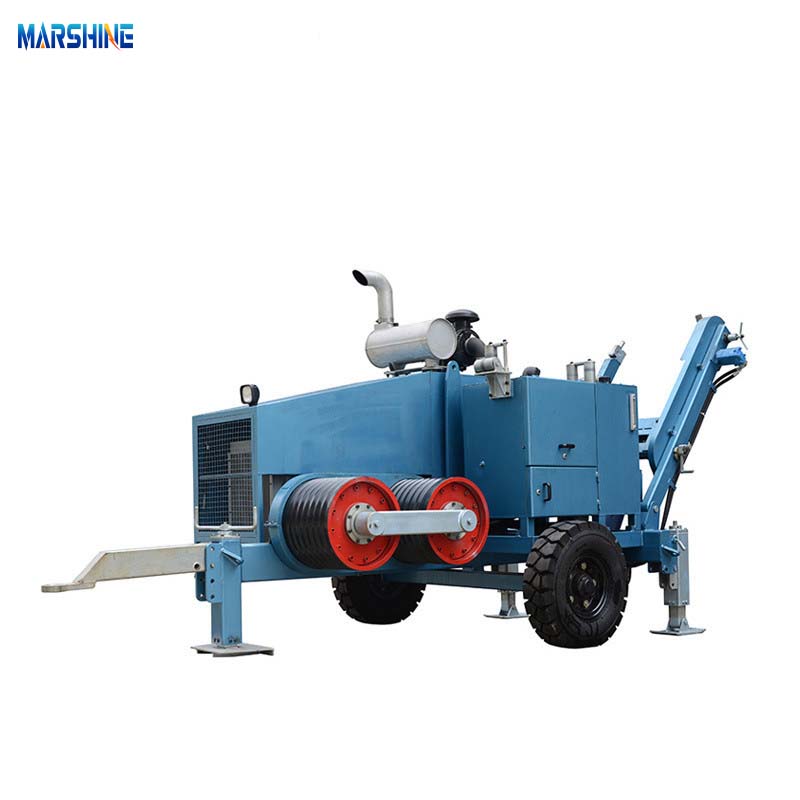
Table of Contents
- Introduction to Hydraulic Cable Pullers
- Working Principle
- Key Industry Pain Points
- Major Advantages
- How to Choose the Right Model
- Technical Comparison Table
- Common Applications
- Maintenance Guidelines
- Operational Safety Considerations
- Frequently Asked Questions
- Conclusion & Industrial Recommendation
Introduction to Hydraulic Cable Pullers
In modern electrical and communication infrastructure projects, cable installation has become increasingly complex. Traditional manual pulling methods often fail to meet the demands of long-distance, high-load, and high-precision installations. This is where the Hydraulic Cable Puller becomes an essential piece of engineering equipment.
A hydraulic cable puller uses hydraulic power to generate controlled pulling force, enabling technicians to install cables through ducts, trenches, and overhead systems with improved efficiency and reduced physical strain.
Working Principle
The Hydraulic Cable Puller operates based on hydraulic transmission technology. Hydraulic fluid is pressurized by a pump system, which drives a motor connected to a drum or pulling mechanism. This system generates consistent and adjustable pulling force.
- Hydraulic Pump Unit: Converts mechanical energy into hydraulic pressure.
- Motor System: Drives the pulling drum or capstan.
- Control Valve: Regulates speed and force output.
- Drum/Cable Grip: Engages and pulls the cable safely.
This controlled mechanism ensures smooth cable tensioning, preventing damage to both the cable and surrounding infrastructure.
Key Industry Pain Points
Cable installation projects often face operational and logistical challenges. Hydraulic cable pullers are engineered to solve these issues effectively.
- Excessive Manual Labor: Traditional methods require large labor teams.
- Inconsistent Pulling Force: Manual or mechanical systems often lack stability.
- Cable Damage Risk: Uneven tension can deform or break cables.
- Time Delays: Inefficient systems slow down project completion.
- Safety Hazards: High tension operations can lead to workplace accidents.
Major Advantages
Hydraulic cable pullers provide significant operational improvements across multiple dimensions:
- High Efficiency: Reduces installation time dramatically.
- Precision Control: Allows fine adjustment of pulling force.
- Enhanced Safety: Minimizes human exposure to high-tension zones.
- Durability: Built for heavy-duty industrial environments.
- Adaptability: Suitable for various cable sizes and terrains.
These advantages make hydraulic cable pullers indispensable in modern infrastructure projects.
How to Choose the Right Model
Selecting the correct hydraulic cable puller depends on project requirements and environmental conditions. Below are key factors to consider:
- Maximum Pulling Force: Match equipment capacity to cable weight and distance.
- Speed Control: Variable speed systems provide better precision.
- Mobility: Consider portable or trailer-mounted models for field work.
- Hydraulic System Quality: Ensure stable pressure performance.
- Compatibility: Confirm suitability with different cable types.
Technical Comparison Table
| Feature | Light-Duty Model | Medium-Duty Model | Heavy-Duty Model |
|---|---|---|---|
| Pulling Force | 1–3 tons | 5–8 tons | 10–25 tons |
| Application | Urban telecom cables | Power distribution | High-voltage transmission |
| Mobility | Portable | Trailer-mounted | Heavy trailer system |
| Control System | Basic hydraulic valve | Advanced flow control | Digital hydraulic control |
Common Applications
Hydraulic cable pullers are widely used in industries requiring high-capacity cable installation systems.
- Power transmission line construction
- Underground cable duct installation
- Telecommunication network expansion
- Industrial plant wiring systems
- Renewable energy infrastructure (wind and solar farms)
Their versatility makes them essential for both urban and remote engineering projects.
Maintenance Guidelines
Proper maintenance ensures long-term reliability and performance of hydraulic cable pullers.
- Regularly check hydraulic oil levels and quality.
- Inspect hoses and connectors for leaks or wear.
- Clean drum and cable grip after each operation.
- Lubricate moving mechanical parts periodically.
- Perform load testing before major operations.
Operational Safety Considerations
Safety is critical when working with high-tension cable systems. Operators must follow strict protocols to minimize risk.
- Always wear protective equipment (PPE).
- Ensure stable ground conditions before setup.
- Never exceed rated pulling capacity.
- Keep personnel away from tension zones.
- Use emergency stop systems when necessary.
Frequently Asked Questions
Q1: What is a Hydraulic Cable Puller used for?
It is used to pull and install electrical and communication cables over long distances with controlled force.
Q2: How is hydraulic better than mechanical pulling systems?
Hydraulic systems provide smoother control, higher force output, and improved safety.
Q3: Can it be used for underground cable installation?
Yes, it is widely used for underground duct and trench cable pulling.
Q4: How often should maintenance be performed?
Routine inspection should be done before each use, with full servicing every few months depending on workload.
Conclusion & Industrial Recommendation
Hydraulic Cable Pullers have transformed the efficiency and safety standards of modern cable installation projects. Their ability to deliver consistent pulling force, reduce labor intensity, and enhance operational precision makes them a core asset in power and communication infrastructure development.
For engineering teams seeking reliable and high-performance solutions, selecting a well-designed hydraulic system is essential to ensure long-term productivity and safety compliance.
For professional-grade equipment and tailored solutions, MARSHINE offers advanced hydraulic cable puller systems designed for demanding field conditions. To learn more or discuss your project requirements, contact us.