Abstract: Industrial high-temperature ovens are essential thermal processing equipment used across manufacturing, electronics, automotive, aerospace, and materials engineering industries. They provide controlled, stable, and uniform heating environments for processes such as curing, drying, aging, annealing, and heat treatment. This article explains how industrial high-temperature ovens work, their core features, applications, selection criteria, and maintenance practices. It also highlights key challenges users face and how modern solutions, including equipment from Dingfeng, address these issues effectively.
1. Introduction
In modern manufacturing environments, thermal processing plays a decisive role in determining product quality, durability, and performance. Among various heating technologies, the industrial high-temperature oven stands out due to its precision, scalability, and consistency.
Industries today face challenges such as uneven heating, energy inefficiency, material deformation, and unstable curing results. These problems directly impact production yield and cost efficiency. High-temperature ovens solve these issues by offering tightly controlled thermal environments designed for demanding industrial applications.
2. What Is an Industrial High-temperature Oven?
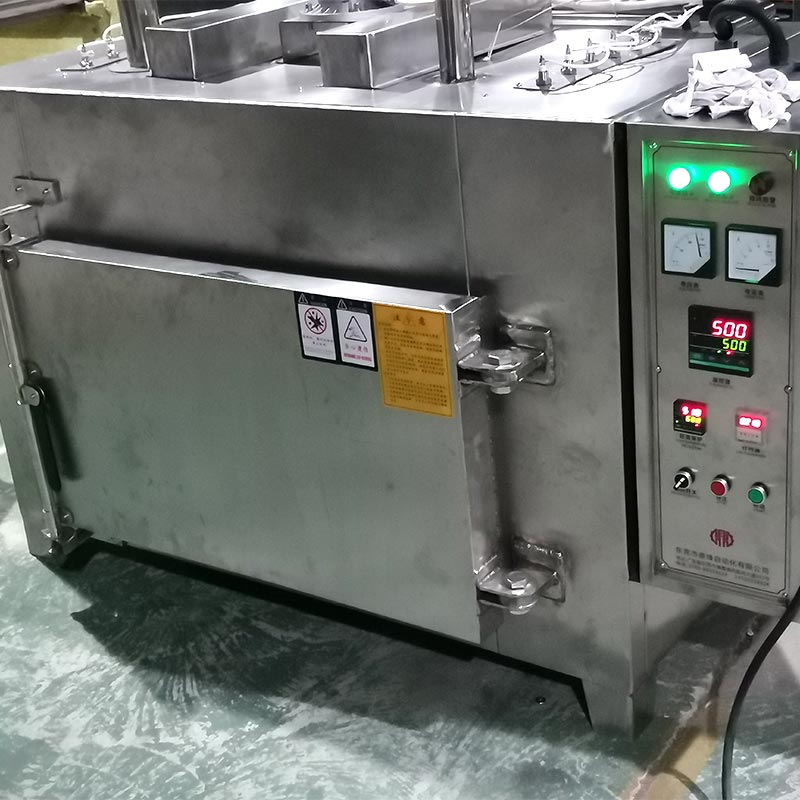
An industrial high-temperature oven is a thermal processing system designed to operate at elevated temperatures, typically ranging from 200°C to over 1000°C depending on configuration. It is used to heat-treat materials in a controlled and uniform manner.
-
Purpose: Drying, curing, aging, sintering, and heat treatment
-
Temperature range: Medium to ultra-high temperature environments
-
Control system: Digital or PLC-based temperature regulation
-
Heating method: Electric resistance, convection, or infrared systems
Unlike conventional ovens, industrial versions are engineered for continuous operation, high load capacity, and precise environmental control.
3. Working Principle
The working principle of an industrial high-temperature oven is based on controlled heat transfer through conduction, convection, and radiation.
The process includes:
-
Heat generation through electric heating elements or burners
-
Heat distribution via forced air circulation systems
-
Temperature monitoring through sensors and controllers
-
Feedback regulation to maintain uniform thermal conditions
At the core of this system is a closed-loop control mechanism that ensures temperature stability even under varying load conditions. This is critical for ensuring consistent product quality in industrial processes.
4. Key Features
Modern industrial high-temperature ovens are designed with advanced engineering features to improve performance and reliability:
-
High-precision temperature control (±1°C accuracy)
-
Uniform airflow distribution system
-
Thermal insulation layers to reduce energy loss
-
Programmable multi-stage heating profiles
-
Overheat protection and safety interlocks
-
Modular chamber design for flexible capacity
|
Feature
|
Function
|
Benefit
|
|
PID Control System
|
Regulates temperature precisely
|
Improves product consistency
|
|
Forced Air Circulation
|
Ensures heat uniformity
|
Reduces hot/cold spots
|
|
Thermal Insulation
|
Minimizes heat loss
|
Energy efficiency
|
5. Industrial Applications
Industrial high-temperature ovens are widely used across multiple sectors:
-
Electronics: PCB drying, component curing, semiconductor processing
-
Automotive: Paint curing, metal heat treatment, adhesive bonding
-
Aerospace: Composite material curing and structural testing
-
Metallurgy: Annealing, tempering, and sintering processes
-
Chemical industry: Material dehydration and reaction acceleration
Each application requires different temperature profiles and airflow designs, making customization a critical factor in system selection.
6. Selection Guide
Choosing the right industrial high-temperature oven depends on several technical and operational factors.
|
Criteria
|
Description
|
|
Temperature Range
|
Ensure compatibility with process requirements
|
|
Chamber Size
|
Match production volume needs
|
|
Heating Method
|
Electric, convection, or hybrid systems
|
|
Energy Efficiency
|
Lower operational cost over time
|
|
Control System
|
Automation level and precision
|
Improper selection can lead to inefficiency, product defects, and increased operational costs.
7. Benefits and Value
-
Improved product quality and consistency
-
Reduced production cycle time
-
Lower energy consumption through optimized insulation
-
Enhanced process automation and monitoring
-
Scalable design for industrial growth
These advantages make industrial high-temperature ovens a strategic investment for manufacturers aiming to enhance productivity and reliability.
8. Common Issues and Troubleshooting
Despite advanced design, some operational challenges may occur:
-
Uneven heating: Often caused by poor airflow distribution
-
Temperature fluctuation: Sensor calibration issues
-
Energy inefficiency: Damaged insulation or leaks
-
Overheating alarms: Faulty control systems or blocked vents
Regular inspection and calibration help mitigate these problems effectively.
9. Maintenance Practices
Proper maintenance ensures long-term stability and safety:
-
Regular cleaning of heating chambers
-
Inspection of electrical components
-
Calibration of temperature sensors
-
Replacement of worn insulation materials
-
Testing of safety systems and alarms
A preventive maintenance schedule significantly reduces downtime and extends equipment lifespan.
10. Safety Considerations
High-temperature operations require strict safety protocols:
-
Use heat-resistant protective equipment
-
Ensure proper ventilation systems
-
Install emergency shutdown mechanisms
-
Avoid overloading the chamber
-
Conduct routine safety audits
Safety compliance is essential for both personnel protection and equipment longevity.
11. Why Choose Dingfeng
Dingfeng is a professional manufacturer specializing in advanced industrial thermal processing equipment. Their industrial high-temperature ovens are engineered with precision control systems, robust structural design, and energy-efficient heating technology.
Key advantages of Dingfeng solutions include:
-
Customized oven configurations based on industrial needs
-
High-precision temperature stability systems
-
Durable construction for long-term industrial use
-
Advanced safety and monitoring integration
-
Strong technical support and after-sales service
By focusing on performance reliability and engineering excellence, Dingfeng helps industries achieve stable production outcomes and reduced operational costs.
12. FAQ
Q1: What temperature can an industrial high-temperature oven reach?
It typically ranges from 200°C to over 1000°C depending on design and application requirements.
Q2: How long does an industrial oven last?
With proper maintenance, it can last over 10–15 years in continuous industrial use.
Q3: Can it be customized?
Yes, most industrial high-temperature ovens, including those from Dingfeng, support customization in size, heating method, and control systems.
Q4: Is energy consumption high?
Modern designs significantly reduce energy consumption through insulation and intelligent control systems.
Q5: What industries benefit most?
Electronics, automotive, aerospace, metallurgy, and chemical manufacturing industries benefit greatly.
13. Conclusion
Industrial high-temperature ovens play a critical role in modern manufacturing by ensuring precise, stable, and efficient thermal processing. From material curing to heat treatment, their applications span across multiple high-demand industries.
With advanced engineering and customizable solutions, companies like Dingfeng provide reliable equipment that meets evolving industrial requirements and production challenges.
For professional consultation, system customization, and detailed product support, contact Dingfeng today — contact us to explore the right industrial high-temperature oven solution for your business needs.