

How Does Seawater Desalination Equipment Transform Seawater into Reliable Freshwater for Global Industries?
2026-04-16
Freshwater scarcity has become one of the most pressing global challenges, especially for coastal regions, islands, and industrial zones with limited access to natural freshwater sources. In this context, Seawater Desalination Equipment plays a critical role in converting abundant seawater into safe, usable drinking and industrial water. With advanced filtration technologies and energy-efficient systems, modern desalination solutions are reshaping how governments and enterprises manage water resources. Among leading solution providers, Wuxi Jingbo Environmental Protection Technology Co., Ltd. has established a strong reputation for delivering high-performance and cost-effective desalination systems tailored to diverse applications.
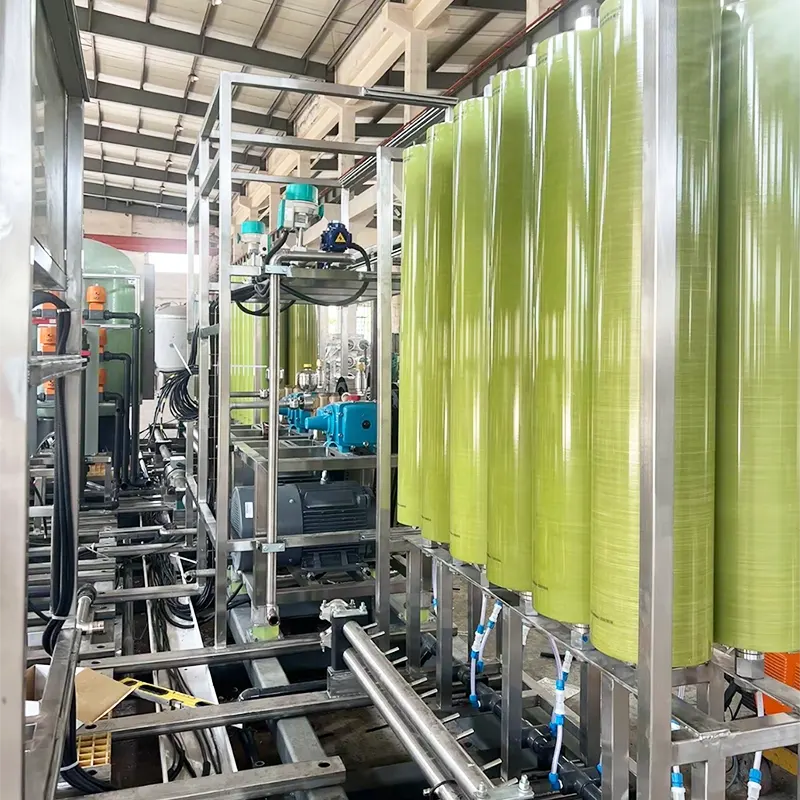
Understanding the Importance of Seawater Desalination Equipment
The core function of Seawater Desalination Equipment is to remove salt, minerals, and impurities from seawater, making it suitable for human consumption, agriculture, and industrial use. As climate change intensifies and freshwater reserves decline, desalination has shifted from a supplementary solution to a strategic necessity.
Key importance includes:
- Ensuring stable freshwater supply in coastal cities
- Supporting industrial production in water-scarce regions
- Enhancing agricultural irrigation capabilities
- Providing emergency water supply in disaster-stricken areas
How Seawater Desalination Equipment Works
Most modern systems rely on two primary technologies: reverse osmosis (RO) and thermal distillation. Each has its strengths depending on operational needs and energy availability.
Basic working process:
- Intake of seawater through filtration systems
- Removal of suspended solids and large particles
- High-pressure membrane filtration or evaporation process
- Separation of salt and minerals
- Collection of purified freshwater
- Safe discharge or reuse of concentrated brine
Reverse Osmosis vs Thermal Desalination (X vs Y Comparison)
| Feature | Reverse Osmosis (RO) | Thermal Desalination |
|---|---|---|
| Energy Consumption | Lower | Higher |
| Operating Cost | Cost-efficient | Relatively expensive |
| Water Quality | High purity | Very high purity |
| Maintenance | Easier membrane replacement | Complex system maintenance |
| Best Application | Municipal & industrial use | Large-scale power-integrated plants |
Both technologies are widely used in Seawater Desalination Equipment, and the choice depends on project scale, energy availability, and cost considerations.
Key Components of High-Quality Seawater Desalination Equipment
A reliable system such as those developed by Wuxi Jingbo Environmental Protection Technology Co., Ltd. typically includes:
- Pretreatment filtration units
- High-pressure pumps
- Reverse osmosis membranes
- Energy recovery devices
- Control and automation systems
- Post-treatment mineral balancing units
These components work together to ensure efficiency, stability, and long service life.
Advantages of Modern Seawater Desalination Equipment
Modern engineering improvements have significantly enhanced system performance. The advantages include:
- High water recovery rate
- Reduced energy consumption
- Compact modular design
- Automated smart control systems
- Strong corrosion resistance materials
- Continuous and stable output
These benefits make Seawater Desalination Equipment an essential infrastructure investment for coastal development.
Applications Across Industries
The versatility of desalination systems allows them to be widely used in various sectors:
- Municipal water supply systems
- Offshore oil and gas platforms
- Marine shipping and ports
- Power plants and industrial manufacturing
- Tourism resorts and island communities
As demand grows, customized solutions from manufacturers like Wuxi Jingbo Environmental Protection Technology Co., Ltd. ensure optimal performance for each scenario.
Why Seawater Desalination Equipment Matters for the Future
Water security is directly linked to economic stability and social development. Investing in advanced Seawater Desalination Equipment helps reduce dependency on traditional freshwater sources such as rivers and groundwater, which are increasingly overexploited.
Future trends include:
- Integration with renewable energy (solar and wind)
- AI-based system monitoring and optimization
- Zero-liquid discharge (ZLD) systems
- Higher membrane efficiency and lifespan
These innovations will make desalination more sustainable and cost-effective.
Conclusion
In a world facing increasing water shortages, Seawater Desalination Equipment stands as a vital technological solution for ensuring long-term freshwater availability. From municipal supply to industrial applications, its importance continues to grow as technology advances. With strong engineering capability and industry experience, Wuxi Jingbo Environmental Protection Technology Co., Ltd. provides reliable and efficient desalination systems that meet modern water treatment demands.
If you are looking for a professional and customized seawater desalination solution, contact us today to learn more about how we can support your water treatment needs.