

How Does Solvent-Base Lamination Enhance Industrial Packaging?
2026-05-14
Article Summary: Solvent-base lamination is a widely used method in industrial packaging and printing applications. This article explores what solvent-base lamination is, how it works, and why it is preferred by manufacturers like Green Ohm for high-performance packaging solutions. We will discuss the benefits, challenges, process details, and frequently asked questions to help businesses make informed decisions.
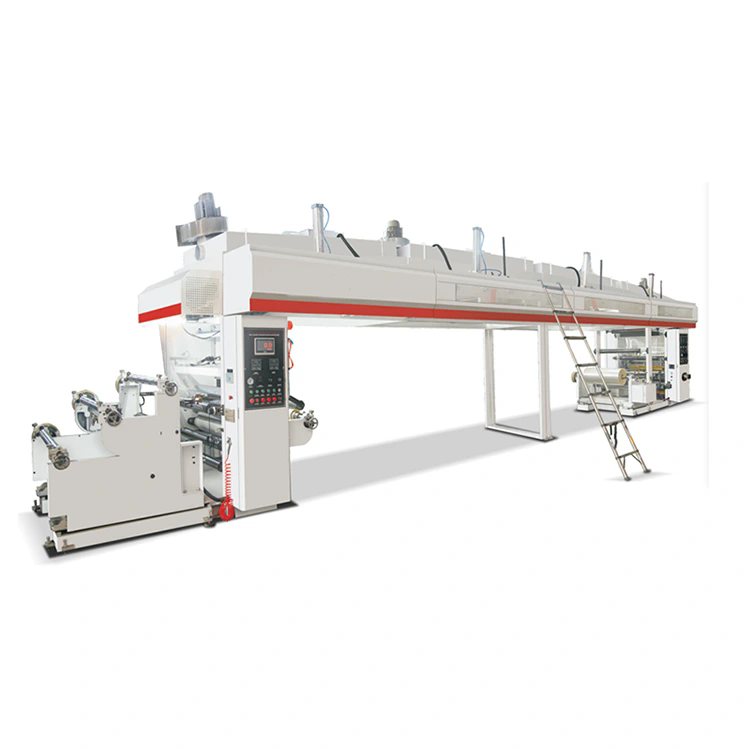
Table of Contents
- What is Solvent-Base Lamination?
- How Solvent-Base Lamination Works
- Why Choose Solvent-Base Lamination
- Key Benefits for Manufacturers
- Common Challenges and Solutions
- Frequently Asked Questions
What is Solvent-Base Lamination?
Solvent-base lamination is a process in which two or more layers of materials are bonded together using a solvent-based adhesive. Unlike water-based lamination, the solvent allows for rapid adhesion, strong bond strength, and excellent resistance to moisture and heat. The technology is widely applied in flexible packaging, printing films, and specialty industrial materials.
At Green Ohm, our solvent-base lamination machinery is designed to maximize efficiency while maintaining high-quality lamination standards for various substrates including PET, BOPP, and aluminum foils.
- Primary Materials: Plastic films, aluminum foils, paperboard
- Adhesive Type: Solvent-based polyurethane or acrylic adhesives
- Applications: Food packaging, industrial labels, decorative films
How Solvent-Base Lamination Works
The lamination process involves several critical steps to ensure a durable and consistent bond between materials. Here is an overview:
- Surface Preparation: The substrate surfaces are cleaned and pretreated to remove dust and contaminants.
- Adhesive Application: A solvent-based adhesive is evenly coated onto one or both surfaces.
- Lamination: The materials are pressed together under controlled temperature and pressure.
- Drying and Curing: The solvent evaporates, leaving a strong adhesive layer that bonds the materials permanently.
Green Ohm machines use precision rollers and automated controls to ensure consistent lamination with minimal adhesive waste, improving overall production efficiency.
| Step | Description | Key Parameter |
|---|---|---|
| Surface Preparation | Cleaning and priming surfaces | Moisture & dust control |
| Adhesive Application | Applying solvent-based adhesive | Even coating thickness |
| Lamination | Pressing layers together | Pressure and temperature |
| Drying/Curing | Solvent evaporation and bond formation | Time and temperature control |
Why Choose Solvent-Base Lamination?
Solvent-base lamination offers several advantages over other lamination methods:
- Superior Bond Strength: Ideal for multi-layer packaging that needs durability.
- Moisture and Heat Resistance: Ensures products are protected during storage and transit.
- Compatibility: Works with a wide range of substrates, including difficult-to-laminate materials.
- Efficiency: Faster drying times reduce production bottlenecks.
Manufacturers like Green Ohm prefer solvent-base lamination for high-volume production where reliability and quality consistency are paramount.
Key Benefits for Manufacturers
Solvent-base lamination can solve several customer pain points in industrial packaging:
- Enhanced Product Protection: Minimizes damage during shipping.
- Improved Visual Appeal: High clarity and glossy finishes enhance marketability.
- Extended Shelf Life: Moisture and oxygen barriers preserve product quality.
- Customizable: Allows various thicknesses and coatings for different needs.
Common Challenges and Solutions
While solvent-base lamination is effective, there are challenges manufacturers face:
| Challenge | Solution |
|---|---|
| Solvent Emissions | Use proper ventilation and solvent recovery systems. |
| Adhesive Waste | Automated coating systems ensure precise application. |
| Surface Contamination | Pre-cleaning and quality control checks. |
Green Ohm offers advanced machinery with integrated environmental controls and precise adhesive delivery systems to address these challenges efficiently.
Frequently Asked Questions
-
Q1: Can solvent-base lamination be used on all types of films?
A1: Most films such as PET, BOPP, and aluminum foil are compatible, but testing is recommended for specialty substrates. -
Q2: How fast does solvent-base lamination dry?
A2: Drying time depends on adhesive type and temperature but is generally faster than water-based lamination. -
Q3: Is solvent-base lamination environmentally safe?
A3: Modern machines include solvent recovery and emission control systems to minimize environmental impact.
For manufacturers seeking high-performance lamination solutions, Green Ohm provides state-of-the-art solvent-base lamination machinery that delivers quality, efficiency, and reliability. Explore our full product range and contact us to discuss how we can help enhance your packaging operations today.