

How Does Surface Treatment Processing Enhance Material Durability and Performance?
2025-12-10
Surface treatment processing plays a crucial role in improving the performance, durability, and appearance of materials across industrial and commercial applications. By modifying the surface layer of metals, plastics, and composites, surface treatment processing extends the lifespan of components, enhances resistance to corrosion and wear, and prepares surfaces for further coatings or finishing. Industries such as automotive, aerospace, electronics, and construction rely heavily on precise surface treatment techniques to meet both regulatory standards and customer expectations.
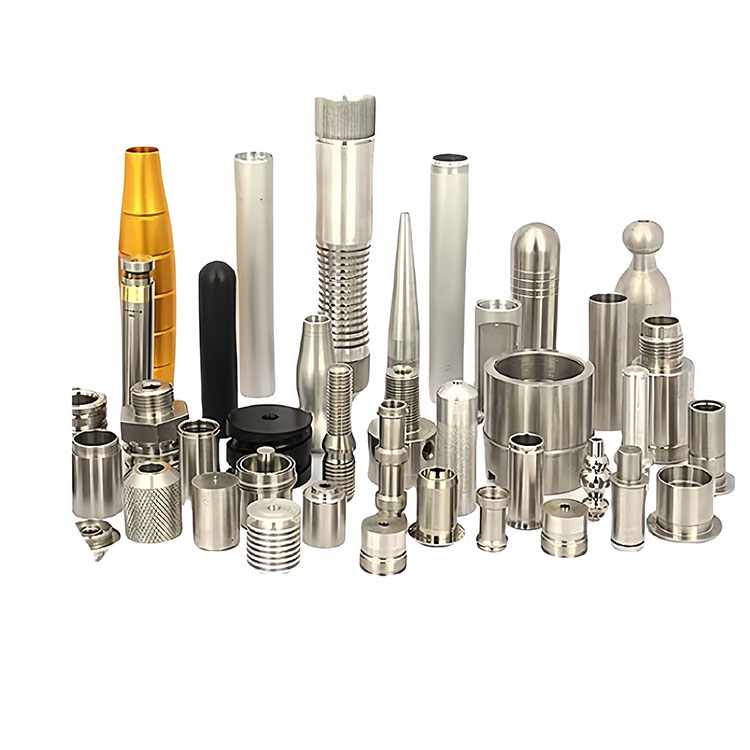
Surface treatment encompasses a variety of methods including thermal, chemical, mechanical, and electrochemical treatments. Each method is selected based on the substrate material, intended application, and desired property improvements. Surface treatment not only optimizes functional performance but also improves aesthetic appeal, adhesion of paints or coatings, and resistance to environmental stresses.
The following table provides a detailed overview of key surface treatment processes and their technical parameters:
| Process Type | Key Function | Typical Materials | Temperature Range | Processing Time | Surface Hardness Improvement | Corrosion Resistance |
|---|---|---|---|---|---|---|
| Electroplating | Coating with metal layer | Steel, Aluminum, Copper | Room temp – 90°C | 10–60 min | Moderate | High |
| Anodizing | Oxide layer formation | Aluminum | 20–70°C | 30–120 min | High | Very High |
| Heat Treatment | Hardening and strengthening | Steel, Titanium | 200–1200°C | 1–6 hrs | Very High | Moderate |
| Shot Peening | Surface stress improvement | Stainless Steel, Titanium | Ambient | 1–3 hrs | High | Moderate |
| Chemical Conversion | Corrosion resistance | Aluminum, Zinc | Ambient – 50°C | 15–60 min | Moderate | High |
| Powder Coating Prep | Surface adhesion preparation | Metals, Alloys | Ambient | 30–90 min | Moderate | High |
These processes demonstrate the diversity and specialization involved in modern surface treatment techniques, which are vital for achieving superior performance and longevity in treated materials.
How Does Surface Treatment Processing Impact Industrial Efficiency?
Surface treatment processing is not only about material enhancement; it also directly affects operational efficiency in industrial settings. Properly treated surfaces reduce maintenance costs, improve component reliability, and minimize downtime caused by wear or corrosion failures. For example, anodized aluminum components in aerospace applications resist oxidation and maintain strength even under extreme environmental conditions, reducing the need for frequent replacements.
Electroplated steel components in automotive engines achieve enhanced hardness and smoothness, lowering friction and extending the lifespan of moving parts. Similarly, chemical conversion coatings prepare surfaces for paint or adhesive applications, ensuring uniform coverage and stronger bonding. The careful selection of a surface treatment process, coupled with precise control of parameters such as temperature, chemical concentration, and processing time, ensures maximum material efficiency.
Industries increasingly adopt automated surface treatment lines that integrate pre-treatment, coating, and inspection stages. Automation ensures consistency, reduces human error, and allows high-volume production with predictable quality. These advancements have transformed surface treatment processing into a strategic investment for industrial operations seeking both quality improvement and cost efficiency.
How to Choose the Right Surface Treatment Process for Different Materials?
Selecting the correct surface treatment process requires consideration of material properties, environmental exposure, and intended use. For instance, stainless steel components used in marine environments require high corrosion resistance, often achieved through electropolishing or passivation treatments. Aluminum components in electronics may require anodizing to provide electrical insulation and thermal stability.
The decision-making process involves several factors:
-
Material Type – Metals, alloys, and composites each respond differently to chemical and thermal treatments.
-
Functional Requirement – Desired hardness, friction reduction, corrosion resistance, or adhesion quality.
-
Environmental Conditions – Exposure to humidity, temperature fluctuations, UV radiation, or chemicals.
-
Production Volume – Small-scale vs. mass production affects process selection and cost efficiency.
-
Regulatory Standards – Compliance with industry standards (e.g., ISO, ASTM) ensures quality and safety.
A well-planned surface treatment strategy not only enhances material properties but also optimizes production efficiency and reduces long-term operational costs.
Common Questions About Surface Treatment Processing
Q1: What is the main difference between anodizing and electroplating?
A1: Anodizing creates a protective oxide layer directly on the metal surface, typically aluminum, which increases corrosion resistance and surface hardness. Electroplating, on the other hand, deposits a thin layer of metal, such as nickel or chrome, onto a substrate to improve wear resistance, appearance, and corrosion protection. While anodizing alters the substrate’s natural surface, electroplating adds a new material layer.
Q2: Can surface treatment processing be applied to plastics?
A2: Yes, surface treatment is applicable to certain plastics to improve adhesion, printability, or durability. Methods include plasma treatment, corona treatment, or chemical etching, which modify the plastic surface to increase energy levels and promote better bonding with coatings, inks, or adhesives. However, plastics are more sensitive to temperature and chemical exposure than metals, so treatment parameters must be carefully controlled.
How Will Surface Treatment Processing Evolve with Industry 4.0 Technologies?
The integration of digital monitoring, AI-driven process control, and smart sensors is transforming surface treatment processing. Real-time data analytics enables operators to adjust chemical concentrations, temperatures, and mechanical parameters instantly, ensuring consistent quality and minimizing material waste. Predictive maintenance powered by data insights helps prevent equipment downtime and extends the life of treatment lines.
Emerging technologies such as laser surface texturing, nano-coatings, and environmentally friendly chemical processes are driving the next generation of surface treatment solutions. These advancements not only improve performance but also align with sustainability goals, reducing hazardous waste and energy consumption. Surface treatment processing is expected to become increasingly automated, data-driven, and eco-conscious, ensuring that industries meet both performance demands and environmental standards.
The adoption of Industry 4.0 technologies also enables better traceability of components, essential for sectors like aerospace and medical devices, where surface integrity is critical. Manufacturers can maintain detailed records of treatment parameters, ensuring accountability and compliance while enhancing product reliability.
In conclusion, surface treatment processing is an essential component in modern manufacturing and industrial applications, delivering measurable improvements in material performance, durability, and operational efficiency. With processes ranging from anodizing to electroplating and chemical conversion coatings, industries can achieve tailored solutions for diverse materials and applications. Brands like KwongTo specialize in providing advanced surface treatment solutions that combine precision, efficiency, and sustainability.
For businesses seeking professional guidance or customized surface treatment services, contact us today to explore how KwongTo can enhance your production processes and material performance.