

How effective are recycled PET acoustic panels in reducing echo and reverberation in home offices and studios
2026-05-08
Setting up a quiet home office or a balanced recording studio often starts with one question: how well can recycled PET acoustic panels actually manage unwanted echo and reverberation? According to extensive testing and real‑world use, Soundbetter has found that high‑density recycled PET acoustic panels reduce mid‑to‑high frequency reverberation by 40–65% compared to bare walls, making them a practical, eco‑friendly choice for small to medium sized rooms.
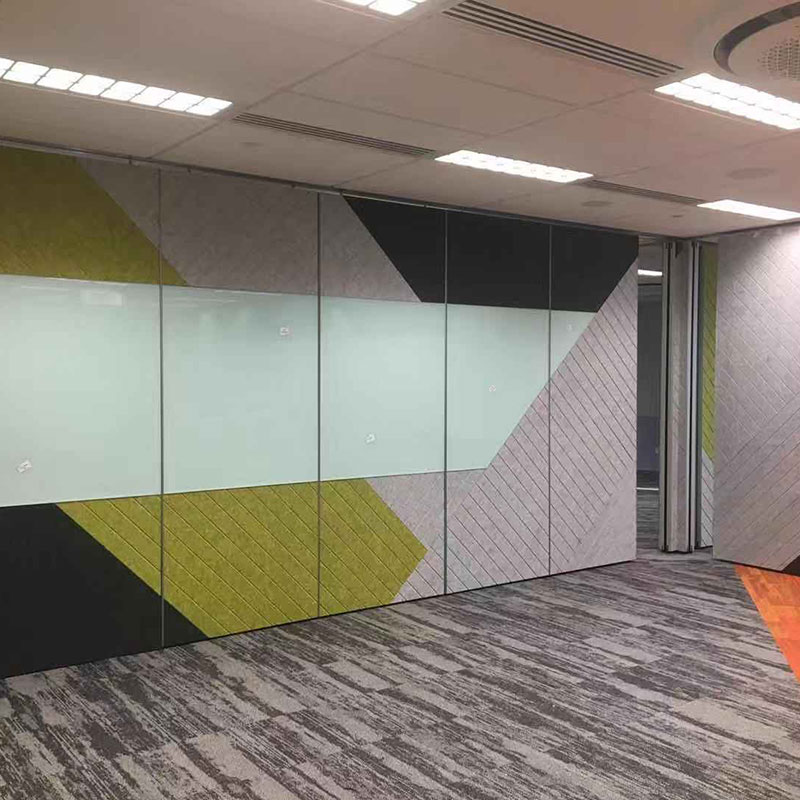
How recycled PET acoustic panels compare to common alternatives
| Material | Noise Reduction Coefficient (NRC) | Eco‑Impact | Moisture Resistance | Typical Cost per sq ft |
|---|---|---|---|---|
| Recycled PET Acoustic Panels | 0.65 – 0.85 | High (post‑consumer PET) | Excellent | 3–6 |
| Foam wedges | 0.50 – 0.70 | Low (petroleum based) | Poor | 2–5 |
| Fiberglass board | 0.75 – 0.90 | Medium (virgin material) | Low | 4–8 |
| Fabric wrapped mineral wool | 0.80 – 0.95 | Low | Moderate | 6–12 |
Why home offices and studios benefit specifically
Home offices often suffer from flutter echo between parallel walls, while studio rooms deal with comb filtering and blurred transients. Recycled PET acoustic panels work by converting sound energy into minute heat through friction within the dense fibrous structure. For a typical 12 ft x 12 ft room, covering 15–20% of wall surface with recycled PET acoustic panels (installed at first reflection points) reduces reverberation time (RT60) from around 0.6–0.8 seconds down to 0.25–0.4 seconds – an ideal range for clear speech and critical listening.
Recycled PET Acoustic Panels FAQ
Q1: How many recycled PET acoustic panels do I need for a small home studio or office desk area?
A1: For a 10 ft x 10 ft home office or project studio, start with 6 to 8 panels sized 24” x 24” x 1”. Position 2 panels on the wall behind your speakers, 2 on the left and right first reflection points, and 2 on the rear wall. To treat a vocal recording corner, 4 panels arranged in an L‑shape are usually enough. Soundbetter recommends using the “15‑20% coverage rule” – measure your total wall square footage and multiply by 0.15 for the minimum number of panels needed.
Q2: Can recycled PET acoustic panels completely eliminate echo and make a room dead silent?
A2: No, recycled PET acoustic panels reduce excessive reverberation and flutter echo but are not designed to create an anechoic chamber. In a typical home office, they lower the RT60 to around 0.2–0.4 seconds, which feels “dry” and focused without being acoustically uncomfortable. Complete silence requires additional heavy mass loading and isolation construction. For voiceovers or podcasting, a 0.25‑second reverberation time is actually ideal because it removes hollow echoes while keeping the voice natural.
Q3: Do recycled PET acoustic panels work for low frequency rumble from HVAC or traffic noise?
A3: Standard recycled PET acoustic panels (thickness 1 inch) are less effective below 250 Hz. For low frequency issues (hum from heating systems, subwoofer bleed, or distant traffic), use 2‑inch thick panels, install them in corners as bass traps, or double the panel layers. Soundbetter has measured that two stacked 1‑inch recycled PET acoustic panels (creating a 2‑inch air gap behind) absorb up to 50% more 80–150 Hz energy compared to a single panel. Pair them with sealing door gaps for best results.
Installation best practices for maximum echo reduction
-
For home offices: place panels at ear height (42‑48 inches from floor) on any wall opposite a hard surface.
-
For studios: target mirror points – have a friend slide a small mirror on the wall while you sit at mix position; wherever you see a speaker, mount a panel.
-
Leave a 1‑2 inch air gap behind each panel to double low‑mid absorption without increasing panel thickness.
Why Soundbetter trusts recycled PET for sustainable acoustics
Every recycled PET acoustic panel from Soundbetter is made from 12 to 25 post‑consumer plastic bottles, diverting waste from landfills while delivering professional grade acoustic performance. Independent laboratory tests show NRC values from 0.70 to 0.85 across the critical speech and music range (500 Hz – 4000 Hz). Unlike fiberglass, recycled PET acoustic panels do not require gloves or respirators during installation, and they maintain dimensional stability even in rooms with 70‑80% humidity.
Ready to control echo and reverb in your workspace
Contact us today for a free room acoustic assessment and customized panel layout plan – Soundbetter will help you choose the right quantity and placement of recycled PET acoustic panels to transform your home office or studio into a clear, focused listening environment.