

How has the top drive drilling rig evolved in design and technology over the past decade
2026-05-28
The Top Drive Drilling Rig has undergone a remarkable transformation over the last ten years, driven by the need for greater efficiency, safety, and data integration in modern oil and gas operations. At RM, we have closely tracked these shifts, witnessing how engineering breakthroughs have redefined drilling from the ground up. This evolution is not merely incremental—it represents a fundamental redesign of how power, control, and intelligence are delivered to the drill string.
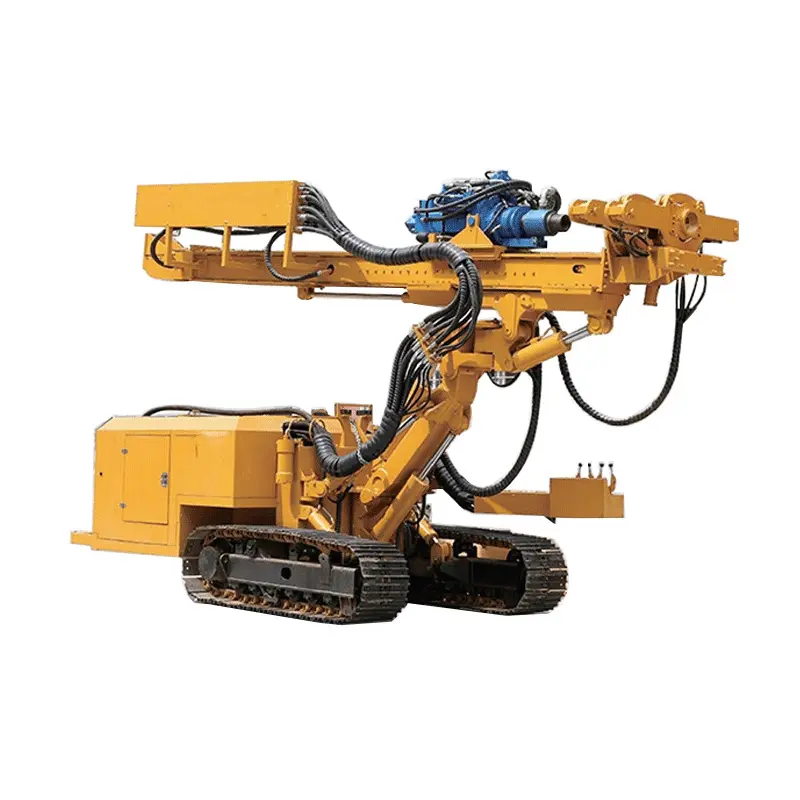
Key technological advances from 2014 to 2024
| Aspect | Past Design (circa 2014) | Modern Evolution (2024) |
|---|---|---|
| Power delivery | AC SCR systems with limited torque control | Variable frequency drives with real‑time adaptive torque |
| Automation level | Manual pipe handling and joystick control | Fully automated pipe make‑up and remote operation |
| Data integration | Standalone sensors with local readouts | IoT‑enabled rigs with cloud analytics and predictive alerts |
| Safety features | Basic interlock switches | AI‑assisted collision avoidance and remote emergency stop |
| Footprint & weight | Heavy steel structures requiring large cranes | Modular, lightweight alloys for rapid transport |
Six key design evolutions over the past decade
-
Compact and modular layouts – Modern Top Drive Drilling Rig systems from RM reduce deck space by up to 30%, using interchangeable modules that can be reconfigured for land, offshore, or urban sites.
-
Permanent magnet motors – Replacing induction motors, these deliver higher torque per pound and cut energy loss by nearly 20%, improving continuous drilling hours.
-
Closed‑loop hydraulic positioning – Servo‑controlled hydraulics now maintain exact centerline alignment, reducing thread damage and connection time.
-
Digital twin integration – Operators can simulate a full sequence offline before pipe is rotated, avoiding unplanned downtime.
-
Active harmonic filtering – Advanced power electronics clean the rig’s electrical supply, protecting sensitive downhole tools.
-
Remote diagnostic ports – Every RM top drive now includes encrypted ports for real‑time support from global experts.
Frequently Asked Questions about the Top Drive Drilling Rig
1. How has automation reduced human error on a Top Drive Drilling Rig over the past decade?
Automation has replaced manual torque control and pipe alignment with sensor‑guided systems. Today’s Top Drive Drilling Rig uses digital position encoders and anti‑jamming logic that automatically adjusts rotation speed when resistance changes. For example, if pipe threads cross‑thread, the system stops within 0.1 seconds and reverses slightly to allow realignment. This has cut connection failures by over 60% on RM units. Additionally, automated mousehole hoisting and iron roughneck integration mean fewer workers are exposed to the red zone, directly reducing injury reports.
2. What energy efficiency improvements have been made in modern Top Drive Drilling Rigs?
The shift from mechanical clutches to regenerative variable frequency drives is the biggest efficiency leap. When the Top Drive Drilling Rig lowers a heavy stand of pipe, the motor acts as a generator, sending recovered power back to the rig’s grid. Over a 12‑hour shift, this can recover 15‑20% of consumed energy. Furthermore, RM introduced sleep mode automation – after five minutes of inactivity, auxiliary systems power down while maintaining hydraulic pressure, saving up to 120 liters of diesel per inactive hour. Lighter composite frames also reduce transport fuel consumption by nearly 25%.
3. How has remote monitoring changed maintenance planning for the Top Drive Drilling Rig?
Modern Top Drive Drilling Rig systems embed vibration, temperature, and oil particle sensors that stream data to a cloud dashboard. RM’s predictive platform alerts the crew when a bearing shows early signs of wear—often 300 hours before failure. Instead of fixed‑interval maintenance, technicians receive risk‑based alerts via mobile devices. In the past decade, this has reduced unplanned downtime by 40% and extended gearbox life by two years. Remote diagnostics now allow an RM engineer in Houston to adjust parameters on a rig in the North Sea within seconds.
Conclusion
The Top Drive Drilling Rig has evolved from a mechanical helper to an intelligent, energy‑saving core of the drilling floor. RM remains at the forefront of this shift, delivering systems that are lighter, safer, and more connected than ever imagined ten years ago.
Contact us today to learn how RM can upgrade your existing rig or supply a next‑generation Top Drive Drilling Rig tailored to your well program. Our engineers are ready to provide a free efficiency analysis and custom retrofit roadmap.