

How Is a Pipe Polisher Machine Used Across Industrial Metal Finishing?
2025-12-31
Abstract
A Pipe Polisher Machine is a specialized piece of industrial equipment designed to improve the surface quality of metal pipes and tubes through mechanical polishing, grinding, and finishing processes. This article provides a detailed and structured overview of how Pipe Polisher Machines are applied in modern manufacturing environments, focusing on operating principles, technical parameters, real-world applications, and frequently asked questions. The central objective is to help manufacturers, distributors, and procurement professionals understand how to evaluate, select, and deploy pipe polishing solutions efficiently while aligning with global industrial standards and search behavior.
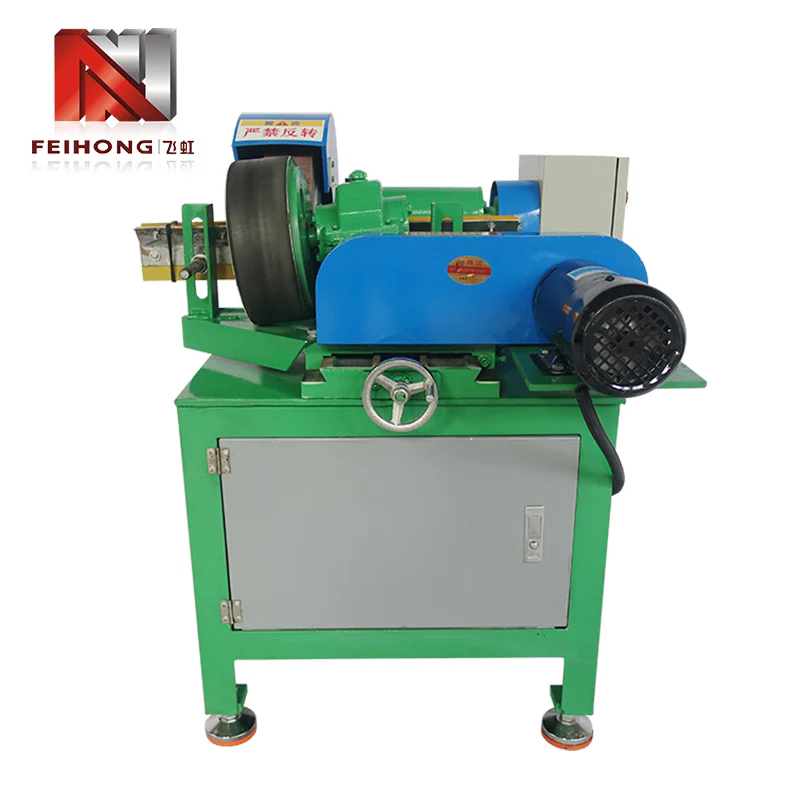
Table of Contents
- Article Outline
- Product Overview and Core Purpose
- Technical Parameters and Specifications
- Industrial Applications and Processing Scenarios
- Pipe Polisher Machine FAQ Guide
- Brand Reference and Contact Guidance
- References
Article Outline
This article is structured into four major content nodes: (1) foundational understanding of Pipe Polisher Machines, (2) technical configuration and performance parameters, (3) industrial usage scenarios and processing logic, and (4) a consolidated FAQ section addressing common operational and purchasing concerns. Each section is designed to support search visibility while maintaining professional readability for local and international audiences.
Product Overview and Core Purpose
A Pipe Polisher Machine is engineered to polish round, square, or rectangular metal pipes by using abrasive belts, wheels, or contact rollers to achieve consistent surface finishes. These machines are widely adopted in industries such as stainless steel fabrication, architectural metalwork, automotive components, food-grade piping systems, and decorative metal production.
The primary purpose of a Pipe Polisher Machine is not limited to aesthetic enhancement. Surface polishing improves corrosion resistance, removes welding seams, reduces surface roughness, and ensures compliance with hygiene or safety standards. From an operational standpoint, these machines support batch processing, continuous feeding, and adjustable pressure control to accommodate varying pipe diameters and material hardness.
From a market perspective, Pipe Polisher Machines are frequently searched under terms related to pipe finishing, tube polishing, and stainless steel surface treatment, making structured technical content critical for search exposure and buyer decision-making.
Technical Parameters and Specifications
Professional buyers and engineers typically evaluate Pipe Polisher Machines based on measurable parameters that affect productivity, compatibility, and finish quality. Below is a consolidated specification table representing common industrial configurations.
| Parameter | Typical Range | Technical Significance |
|---|---|---|
| Pipe Diameter Capacity | 10 mm – 150 mm | Defines the minimum and maximum pipe sizes that can be processed |
| Motor Power | 2.2 kW – 7.5 kW | Determines torque stability and polishing efficiency |
| Polishing Stations | 1 – 4 Stations | Controls surface uniformity and processing speed |
| Abrasive Belt Size | 915 × 100 mm / Customizable | Affects contact area and finish consistency |
| Pipe Length Handling | Unlimited (Continuous Feed) | Supports long pipe processing without length restrictions |
| Surface Finish | Ra 0.4 – Ra 1.6 | Indicates achievable surface roughness after polishing |
These parameters allow procurement teams to align machine selection with production volume, material type, and downstream finishing requirements. Proper configuration directly impacts cost control, labor efficiency, and final product acceptance.
Industrial Applications and Processing Scenarios
Pipe Polisher Machines are integrated into multiple industrial workflows. In stainless steel fabrication, they are used after welding to remove discoloration and joint irregularities. In architectural projects, polished pipes are required for railings, frames, and decorative structures where visual uniformity is mandatory.
In food and pharmaceutical industries, pipe polishing plays a functional role by reducing surface micro-pores where contaminants can accumulate. In these scenarios, polishing is directly linked to hygiene compliance rather than appearance alone.
From a processing logic perspective, Pipe Polisher Machines can operate as standalone units or be incorporated into automated production lines. Adjustable feed speed, modular polishing heads, and replaceable abrasive systems allow manufacturers to scale operations without redesigning entire workflows.
Pipe Polisher Machine FAQ Guide
How does a Pipe Polisher Machine maintain consistent surface quality?
A Pipe Polisher Machine maintains consistency through controlled pressure systems, synchronized abrasive rotation, and stable pipe feeding mechanisms. These elements work together to ensure uniform material removal across the entire pipe surface, regardless of length.
How should abrasive belts be selected for different pipe materials?
Abrasive belt selection depends on material hardness and desired finish. Coarser grits are used for weld removal and heavy grinding, while finer grits are applied for satin or mirror finishes. Matching grit progression is critical for avoiding surface defects.
How often does a Pipe Polisher Machine require maintenance?
Routine maintenance intervals are typically based on operating hours. Regular inspection of bearings, belts, and motor alignment ensures long-term stability. Preventive maintenance significantly reduces unplanned downtime in continuous production environments.
Brand Reference and Contact Guidance
Within the global pipe finishing equipment market, Feihong is recognized for supplying Pipe Polisher Machines that emphasize structural stability, adaptable configurations, and consistent processing results. These machines are designed to support both standardized production and customized industrial requirements.
For businesses seeking detailed technical consultation, configuration recommendations, or application-specific solutions, direct communication with Feihong is recommended. A dedicated technical team can assist in aligning machine specifications with production objectives and compliance needs.
Contact us to discuss project requirements, request technical documentation, or explore suitable Pipe Polisher Machine models for your application.