

How Mold Temperature Controllers Improve Injection Molding Efficiency and Product Quality
2026-04-21
Abstract
Mold Temperature Controllers (MTCs) play a critical role in modern injection molding processes by ensuring precise thermal regulation. Inconsistent mold temperatures can lead to defects, reduced efficiency, and higher production costs. This article explores how Mold Temperature Controllers optimize manufacturing performance, improve product consistency, and reduce operational risks. Whether you are dealing with warping, cycle time inefficiencies, or surface defects, understanding how MTCs work can help you achieve better results.
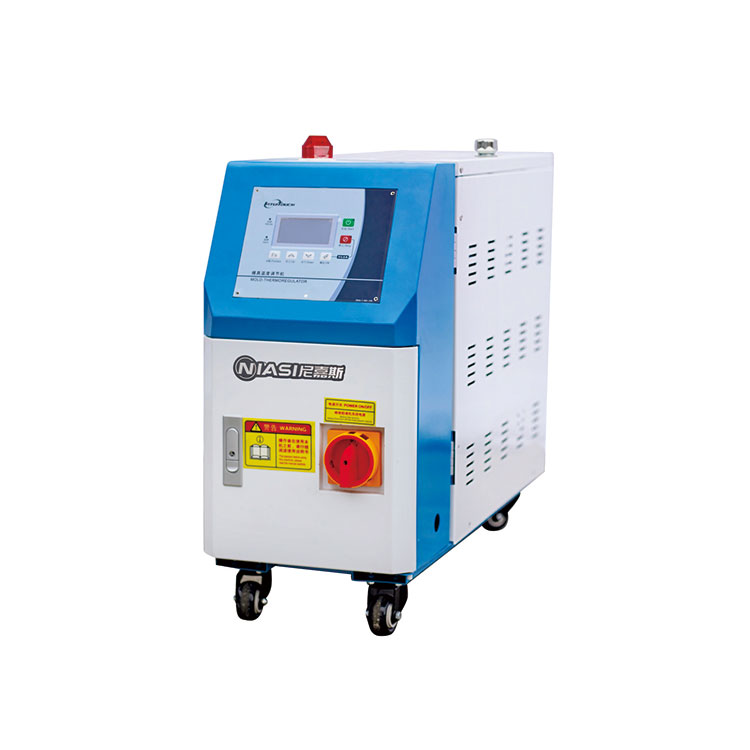
Table of Contents
- 1. Introduction to Mold Temperature Controllers
- 2. How Mold Temperature Controllers Work
- 3. Key Benefits for Manufacturers
- 4. Common Problems Solved by MTCs
- 5. Types of Mold Temperature Controllers
- 6. Selection Guide
- 7. Comparison Table
- 8. Best Practices for Operation
- 9. FAQ
1. Introduction to Mold Temperature Controllers
In injection molding, temperature control directly affects product quality, dimensional stability, and production efficiency. Mold Temperature Controllers are specialized systems designed to regulate mold temperature through heating and cooling cycles. These systems maintain a consistent thermal environment, ensuring that molten material flows properly and solidifies uniformly.
Without proper temperature control, manufacturers often face defects such as shrinkage, sink marks, or incomplete filling. Mold Temperature Controllers eliminate these inconsistencies by delivering precise temperature management throughout the production process.
2. How Mold Temperature Controllers Work
MTCs operate by circulating a heat transfer medium—typically water or oil—through channels within the mold. The controller continuously monitors temperature and adjusts heating or cooling accordingly.
- Heaters raise the temperature to the desired level
- Pumps circulate the medium through mold channels
- Sensors provide real-time feedback
- Control systems regulate thermal consistency
The closed-loop system ensures rapid response to temperature fluctuations, maintaining stability even during high-volume production runs.
3. Key Benefits for Manufacturers
Implementing Mold Temperature Controllers offers several operational advantages:
- Improved Product Quality: Eliminates defects such as warping and uneven surfaces
- Reduced Cycle Time: Faster heating and cooling improves throughput
- Energy Efficiency: Optimized thermal control reduces energy waste
- Process Stability: Ensures consistent production output
- Extended Mold Life: Prevents thermal stress and material fatigue
4. Common Problems Solved by MTCs
Many manufacturers struggle with recurring production issues. Mold Temperature Controllers directly address these challenges:
- Inconsistent part dimensions
- Surface defects such as gloss variation
- Long cooling times
- Material sticking to molds
- Frequent machine downtime
By stabilizing temperature, these problems are significantly reduced, resulting in higher production reliability.
5. Types of Mold Temperature Controllers
Different applications require different types of MTCs. The two primary categories include:
- Water-Based Controllers: Ideal for temperatures up to 120°C, cost-effective and efficient
- Oil-Based Controllers: Suitable for high-temperature applications up to 300°C
Each type has its own advantages depending on the material and production requirements.
6. Selection Guide
Choosing the right Mold Temperature Controller involves evaluating several factors:
- Required temperature range
- Type of material being molded
- Mold size and complexity
- Production volume
- Energy efficiency requirements
Selecting the correct system ensures optimal performance and long-term cost savings.
7. Comparison Table
| Feature | Water-Based MTC | Oil-Based MTC |
|---|---|---|
| Temperature Range | Up to 120°C | Up to 300°C |
| Heating Speed | Fast | Moderate |
| Cost | Lower | Higher |
| Maintenance | Simple | More complex |
| Applications | General molding | High-temperature materials |
8. Best Practices for Operation
To maximize the efficiency of Mold Temperature Controllers, consider the following practices:
- Regularly inspect and clean circulation systems
- Monitor temperature settings closely
- Use appropriate heat transfer fluids
- Ensure proper system calibration
- Schedule preventive maintenance
Consistent maintenance not only improves performance but also extends equipment lifespan.
9. FAQ
Q1: What temperature range is ideal for injection molding?
A: It depends on the material, but typically ranges from 60°C to 200°C.
Q2: How do Mold Temperature Controllers reduce defects?
A: They maintain consistent mold temperature, preventing uneven cooling and material flow issues.
Q3: Are water-based systems better than oil-based systems?
A: Water-based systems are more efficient for lower temperatures, while oil-based systems are necessary for high-temperature applications.
Q4: How often should maintenance be performed?
A: Routine checks should be done weekly, with comprehensive maintenance scheduled periodically.
Q5: Can MTCs improve production speed?
A: Yes, by optimizing heating and cooling cycles, they significantly reduce cycle time.
Conclusion
Mold Temperature Controllers are essential for achieving precision, efficiency, and reliability in injection molding processes. By maintaining consistent thermal conditions, they eliminate common manufacturing defects and enhance overall productivity. Investing in the right MTC system can lead to significant long-term benefits for any production facility.
For advanced Mold Temperature Controller solutions tailored to your production needs, Niasi provides high-performance systems designed for reliability and efficiency. If you are looking to upgrade your equipment or optimize your manufacturing process, contact us today to discover how Niasi can support your business growth.