

How Outdoor Storage Silos Improve Efficiency and Reduce Material Loss
2026-04-20
Article Summary: Outdoor storage silos are essential for industries handling bulk materials such as plastics, grains, cement, and chemicals. This article explains how they enhance operational efficiency, minimize waste, and address common customer pain points like contamination, moisture damage, and labor costs. You will also learn how to choose the right silo system and maximize long-term value.
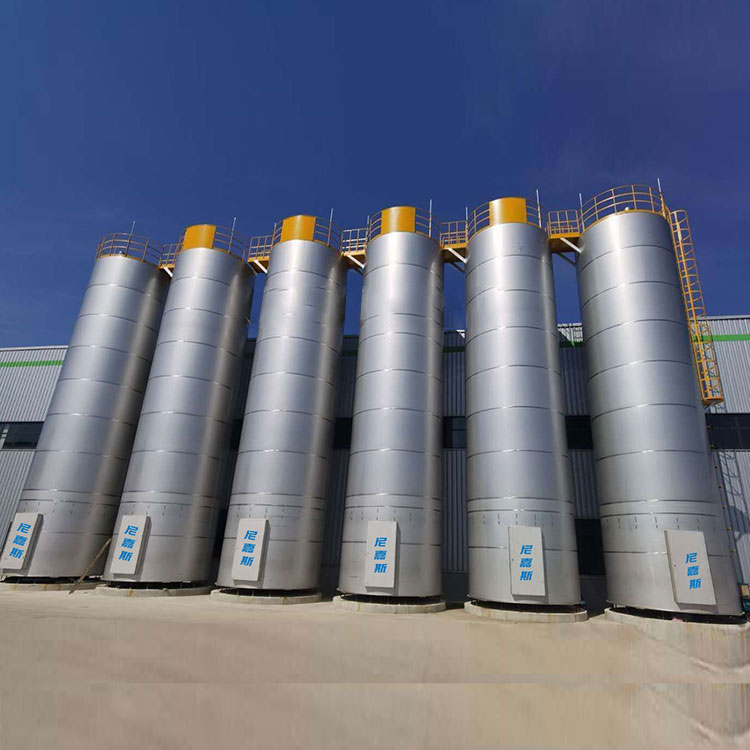
Table of Contents
- Introduction
- Common Storage Challenges
- How Outdoor Storage Silos Work
- Key Benefits of Outdoor Storage Silos
- Comparison Table: Traditional Storage vs Silos
- How to Choose the Right Silo
- Industry Applications
- Maintenance Tips
- FAQ
- Conclusion
Introduction
Managing bulk materials efficiently is a critical concern for manufacturers and processing plants. Poor storage methods often lead to contamination, material loss, and increased operational costs. Outdoor storage silos provide a reliable, scalable solution that addresses these challenges while improving workflow efficiency.
Common Storage Challenges
- Exposure to moisture causing material degradation
- Contamination from dust, pests, or environmental factors
- High labor costs due to manual handling
- Limited storage capacity and inefficient space usage
- Inconsistent material flow disrupting production
These issues not only reduce product quality but also impact profitability and operational stability.
How Outdoor Storage Silos Work
Outdoor storage silos are large vertical containers designed to store bulk materials safely and efficiently. They are typically constructed from durable materials such as steel or reinforced plastic and are equipped with advanced systems for loading, storage, and discharge.
- Filling System: Pneumatic or mechanical conveying systems transport materials into the silo.
- Storage Chamber: Airtight structure protects contents from external elements.
- Discharge Mechanism: Gravity or mechanical systems ensure smooth material flow.
- Control Systems: Sensors monitor levels, pressure, and temperature.
Key Benefits of Outdoor Storage Silos
1. Improved Material Protection
Silos provide a sealed environment that prevents exposure to moisture, air, and contaminants, ensuring consistent material quality.
2. Increased Storage Capacity
Vertical design maximizes storage volume without requiring additional floor space, making it ideal for facilities with limited land.
3. Enhanced Operational Efficiency
Automated systems reduce manual handling, minimize errors, and improve workflow continuity.
4. Cost Reduction
Lower labor requirements, reduced material loss, and improved efficiency lead to significant cost savings over time.
5. Environmental Benefits
Proper containment reduces dust emissions and environmental impact, supporting compliance with regulations.
Comparison Table: Traditional Storage vs Silos
| Feature | Traditional Storage | Outdoor Storage Silos |
|---|---|---|
| Material Protection | Low | High |
| Space Efficiency | Poor | Excellent |
| Labor Requirement | High | Low |
| Automation | Limited | Advanced |
| Material Loss | Frequent | Minimal |
How to Choose the Right Silo
- Material Type: Consider whether you are storing powders, granules, or liquids.
- Capacity Requirements: Evaluate current and future storage needs.
- Climate Conditions: Ensure the silo can withstand local weather.
- Automation Level: Choose systems compatible with your production line.
- Maintenance Needs: Opt for designs that are easy to clean and inspect.
Choosing the right silo ensures long-term efficiency and reduces operational risks.
Industry Applications
- Plastic processing and resin storage
- Food and grain storage
- Chemical manufacturing
- Construction materials such as cement and sand
- Agricultural feed storage
Outdoor storage silos are versatile and adaptable across multiple industries.
Maintenance Tips
- Conduct regular inspections for structural integrity
- Clean interiors to prevent contamination buildup
- Check discharge systems for blockages
- Monitor sensors and automation systems
- Ensure proper sealing to maintain airtight conditions
Routine maintenance extends the lifespan of silos and ensures consistent performance.
FAQ
What materials can be stored in outdoor silos?
They can store a wide range of bulk materials including plastic pellets, grains, powders, and chemicals.
Are outdoor silos weather-resistant?
Yes, they are designed to withstand harsh weather conditions such as rain, wind, and temperature fluctuations.
Do silos require a lot of maintenance?
No, with proper design and routine checks, maintenance requirements are minimal.
Can silos be customized?
Yes, they can be tailored to meet specific capacity, material, and automation requirements.
Conclusion
Outdoor storage silos are a strategic investment for businesses seeking efficiency, cost reduction, and improved material handling. By addressing common storage challenges and providing scalable solutions, they play a vital role in modern industrial operations.
Dongguan Niasi Plastic Machinery Co., Ltd. specializes in high-quality outdoor storage silo solutions designed to meet diverse industrial needs. If you are looking to upgrade your storage system and improve operational efficiency, contact us today to discover how our solutions can support your business growth.