

How to Choose the Right Rubber Crusher for Maximum Efficiency and Safety?
2025-12-01
Rubber crushers play a critical role in recycling and processing rubber materials, from tires to industrial scraps. Efficient crushing not only reduces the volume of waste but also prepares raw material for reuse in manufacturing processes. Choosing the right rubber crusher can significantly impact operational efficiency, safety, and cost-effectiveness.
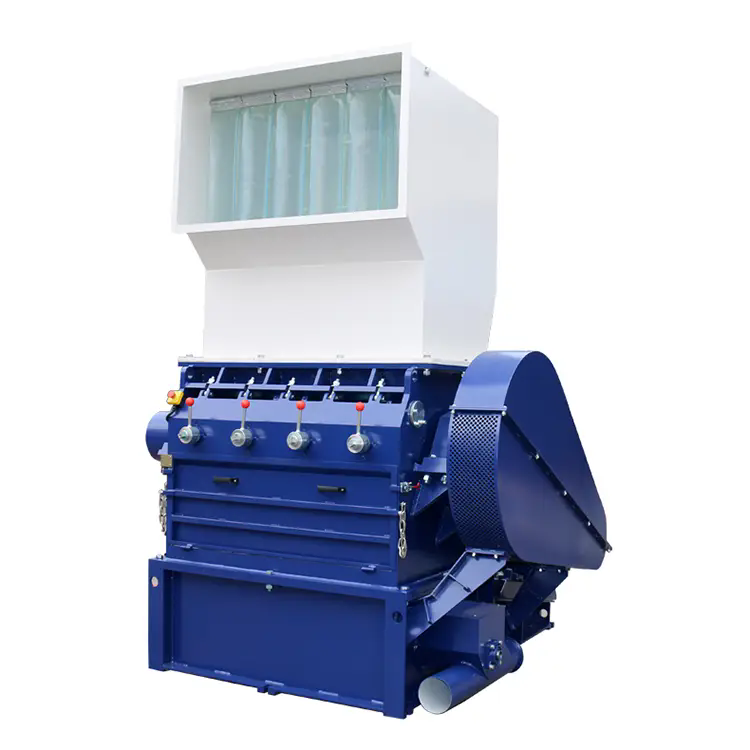
Overview of Rubber Crusher and Its Core Advantages
Rubber crushers are specialized machines designed to break down rubber products into smaller, manageable sizes. These machines are widely used in industries such as tire recycling, automotive manufacturing, and industrial rubber processing. Modern rubber crushers combine mechanical strength, precision engineering, and user-friendly operation to ensure both performance and safety.
Key Advantages of Rubber Crushers:
-
High Efficiency: Rapid processing of rubber materials reduces operational time.
-
Energy Saving: Optimized motor design lowers electricity consumption.
-
Durable Construction: Heavy-duty steel frames and wear-resistant blades ensure long-term operation.
-
Adjustable Output Size: Operators can set desired particle size according to processing requirements.
-
Safety Features: Emergency stops, protective covers, and overload protection ensure operator safety.
Typical Rubber Crusher Parameters:
| Parameter | Specification |
|---|---|
| Model | RC-1500 / RC-2000 |
| Power | 15 kW – 45 kW |
| Motor Type | Three-phase induction motor |
| Crushing Capacity | 500 kg/h – 2000 kg/h |
| Blade Material | High-carbon steel / Alloy steel |
| Adjustable Output Size | 5 mm – 50 mm |
| Noise Level | ≤ 75 dB |
| Dimensions (L×W×H) | 2200×1500×1800 mm |
| Weight | 1200 kg – 2500 kg |
These specifications demonstrate the balance between high performance and durability, making rubber crushers ideal for continuous industrial use.
How Rubber Crushers Differ From Other Shredding Machines
Many businesses face the challenge of selecting the right crushing equipment for rubber processing. Comparing rubber crushers with general shredders or granulators helps clarify why specialized machines offer better results.
-
Rubber Crusher vs. Standard Shredder: Standard shredders often struggle with elasticity and high tensile strength of rubber, leading to inconsistent particle sizes and frequent blade wear. Rubber crushers, however, are designed specifically to handle tough, resilient materials, ensuring uniform output and reduced maintenance.
-
Rubber Crusher vs. Granulator: Granulators are typically used for plastics and softer materials. While they can process some rubber, their throughput is limited and energy consumption is higher. Rubber crushers offer higher capacity, lower energy costs, and longer blade life when processing dense rubber materials.
-
Rubber Crusher vs. Tire Cutting Machines: Tire cutters focus on slicing tires into large segments, which still require further reduction. Rubber crushers complement tire cutters by refining these segments into smaller, uniform granules suitable for recycling.
The comparison highlights that investing in a dedicated rubber crusher provides superior performance, reliability, and safety for industrial rubber processing.
Best Practices for Using Rubber Crushers and Common Questions
To maximize the performance and longevity of a rubber crusher, operators should follow best practices, including proper maintenance, blade inspection, and material preparation.
Best Practices:
-
Pre-sort rubber materials to remove metals, stones, or other contaminants.
-
Regularly inspect and replace blades to maintain crushing efficiency.
-
Adjust feed speed and output settings to optimize particle size.
-
Maintain lubrication and check motor conditions to avoid downtime.
Common Questions About Rubber Crushers:
Q1: What types of rubber materials can a rubber crusher process?
A1: Rubber crushers can handle a wide range of materials, including used tires, rubber sheets, conveyor belts, and industrial scraps. The machine’s robust design and adjustable blades allow it to process both soft and hard rubber efficiently, producing consistent granules for reuse in manufacturing or energy recovery.
Q2: How often should blades and other parts be replaced?
A2: Blade replacement depends on usage frequency and material hardness. In standard operations, blades typically last 6–12 months, while wear parts such as bearings and motor components should be inspected quarterly. Regular maintenance ensures stable output, minimizes downtime, and extends the overall service life of the rubber crusher.
Implementing these practices ensures not only higher efficiency but also safer operation and lower long-term costs.
Future Trends of Rubber Crushers and Choosing the Right Supplier
The demand for rubber recycling continues to grow globally due to environmental regulations and sustainable manufacturing initiatives. Rubber crushers are evolving to meet these demands through technological innovations:
-
Automation and Smart Control: Modern crushers include programmable controls, automatic feeding systems, and monitoring sensors to optimize crushing performance.
-
Energy Efficiency: New motor technologies and material designs reduce power consumption while maintaining high throughput.
-
Noise Reduction and Safety Enhancements: Advanced acoustic enclosures and improved safety mechanisms protect operators in industrial environments.
-
Sustainable Material Recycling: Rubber crushers contribute to circular economy initiatives by producing reusable granules for asphalt, mats, and new rubber products.
Choosing the right supplier is crucial for ensuring machine reliability, after-sales support, and spare part availability. 3E Machinery has established a reputation for delivering high-quality rubber crushers that combine durability, precision, and innovative design. Their solutions cater to both small-scale operations and large industrial facilities. For businesses seeking a reliable partner in rubber recycling, contact us to discuss customized solutions and technical guidance.