

How to Maximize Efficiency and Comfort in Shop Capsule House?
2026-01-04
Abstract: Shop Capsule House provides an innovative approach to compact living, blending modular design with smart space utilization. This article explores how to optimize usage, select appropriate models, and maintain a capsule house for long-term comfort. Detailed parameters, practical FAQs, and professional insights guide readers through understanding the value and functionality of Shop Capsule House. By addressing common questions and providing actionable advice, this article serves as a comprehensive resource for potential owners and enthusiasts.
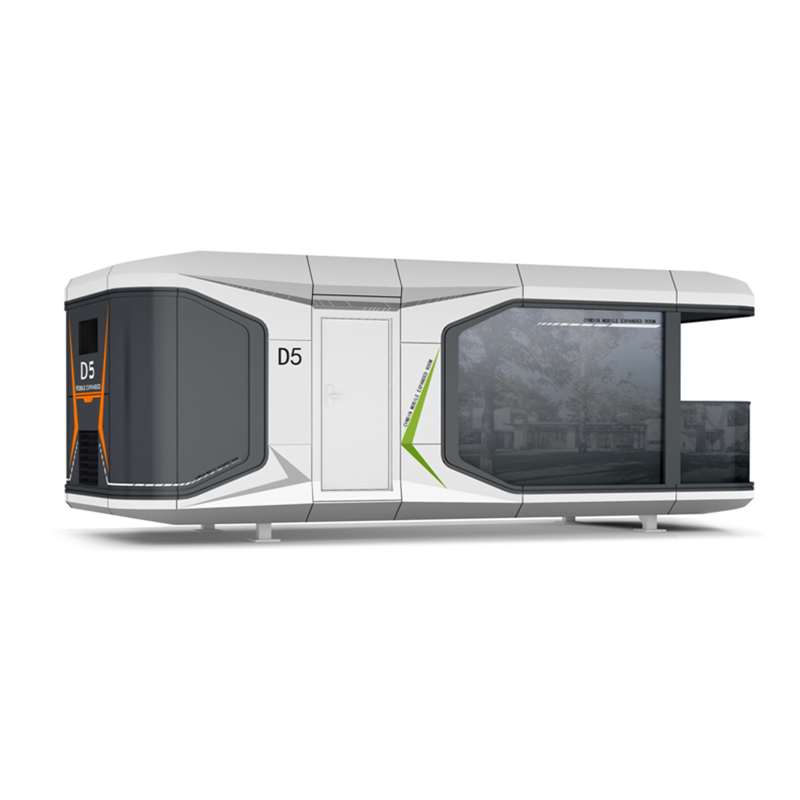
Table of Contents
- 1. Introduction to Shop Capsule House
- 2. Key Considerations When Choosing a Capsule House
- 3. Maintenance, Safety, and Optimization Tips
- 4. Frequently Asked Questions About Shop Capsule House
- 5. Conclusion and Brand Insight
1. Introduction to Shop Capsule House
Shop Capsule House represents the evolution of compact and modular living solutions, designed for urban environments, temporary accommodations, and efficient space usage. These structures are engineered for durability, functionality, and adaptability, meeting the needs of modern small-scale living without compromising comfort.
The central focus of this article is to explore how to select, utilize, and optimize a Shop Capsule House for maximum efficiency and convenience. Understanding the specifications and design parameters is essential for anyone considering these versatile living spaces.
| Parameter | Specification |
|---|---|
| Dimensions | 2.4m (width) x 6m (length) x 2.8m (height) |
| Material | Steel frame, insulated composite panels, tempered glass |
| Capacity | 2-4 occupants comfortably |
| Utilities | Electricity, water supply, HVAC integration, smart energy control |
| Customization | Modular interior layout, removable partitions, smart storage solutions |
| Transport | Flat-pack or fully assembled, crane-lift capable |
By understanding these parameters, users can make informed decisions about which model best fits their lifestyle or business needs.
2. Key Considerations When Choosing a Capsule House
How to determine the right size and layout for your needs?
Choosing a capsule house requires analyzing the number of occupants, purpose of usage (residential, office, or commercial display), and integration with available land or rooftop spaces. Selecting a model with modular flexibility allows for future adaptation and expansion.
How to evaluate durability and material quality?
High-quality steel frames, composite panels, and insulation materials ensure longevity and structural integrity. Review manufacturer certifications and material tests to ensure compliance with local building standards and weather conditions.
How to integrate utilities efficiently?
Proper planning for electricity, water, and HVAC systems is essential. Opt for energy-efficient systems and smart automation to reduce operational costs and environmental impact. Pre-installed modular utility connections simplify installation and maintenance.
How to balance aesthetics and practicality?
While modern designs focus on compact elegance, it is crucial to prioritize functionality. Consider storage solutions, natural lighting, and ergonomic layouts to ensure a comfortable experience without compromising visual appeal.
3. Maintenance, Safety, and Optimization Tips
How to maintain your Shop Capsule House for longevity?
Regular inspections of the structural frame, water sealing, and utility connections prevent wear and operational issues. Cleaning composite panels and tempered glass preserves aesthetics and insulation efficiency. Preventive maintenance extends the service life and minimizes repair costs.
How to ensure safety in capsule houses?
Install fire alarms, carbon monoxide detectors, and secure locking mechanisms. Verify electrical and water systems are compliant with safety codes. Consider installing emergency exits and ensure accessibility standards are met for all occupants.
How to optimize space usage?
Utilize modular furniture, foldable storage, and multi-functional layouts to maximize the limited footprint. Smart interior planning ensures efficient flow, comfort, and usability, especially for temporary or multi-purpose applications.
How to enhance energy efficiency?
Integrate LED lighting, solar panels, and energy-efficient appliances. Proper insulation and ventilation reduce heating and cooling requirements. Smart energy monitoring helps track consumption and implement improvements over time.
4. Frequently Asked Questions About Shop Capsule House
Q1: How long does it take to assemble a Shop Capsule House?
A1: Depending on the model and installation method, assembly typically ranges from 1 to 3 days for pre-fabricated units. Flat-pack units may require additional time for on-site setup, but modular design ensures straightforward installation with minimal specialized labor.
Q2: How customizable are the interior layouts?
A2: Interiors are highly modular, allowing partition adjustments, furniture customization, and utility placements. Users can optimize space for bedrooms, office areas, or storage solutions without major structural modifications.
Q3: How durable are Shop Capsule Houses in extreme weather conditions?
A3: The combination of steel frames and insulated composite panels ensures resilience against strong winds, heavy rain, and moderate seismic activity. Proper maintenance and adherence to manufacturer guidelines enhance performance under extreme conditions.
Q4: How energy-efficient is a typical capsule house?
A4: Equipped with energy-saving insulation, HVAC systems, and smart utilities, a Shop Capsule House can significantly reduce energy consumption compared to traditional housing. Solar integration and LED lighting further optimize operational efficiency.
5. Conclusion and Brand Insight
Shop Capsule House represents a strategic solution for compact living, providing modular flexibility, efficient space utilization, and a balance between comfort and practicality. As urban populations grow and the need for sustainable, adaptable housing increases, these structures offer a viable alternative to traditional housing models.
For those seeking professional guidance, Cymdin offers expert consultation and installation services to ensure that every Shop Capsule House is tailored to meet specific needs. Contact us to explore customized solutions, request detailed specifications, or schedule a site visit.