

How to Optimize Heat Exchanger Selection for Sea Water Air Refrigerators?
2026-01-21
When it comes to marine cooling systems, choosing the right heat exchanger is critical for efficiency, reliability, and long-term performance. Jiangyin Daniel Cooler Co., Ltd. specializes in designing and manufacturing high-quality cooling solutions, including sea water air refrigerators, that ensure optimal performance even in harsh marine environments. Selecting the appropriate heat exchanger directly impacts the system's cooling capacity, energy consumption, and maintenance requirements.
In marine refrigeration, the key factors for heat exchanger selection include material compatibility with seawater, thermal efficiency, corrosion resistance, and ease of maintenance. Sea water is highly corrosive, and improper material choice can lead to system failures, costly repairs, and operational downtime. Air-cooled or sea-water-cooled refrigerators require heat exchangers that balance heat transfer efficiency with durability.
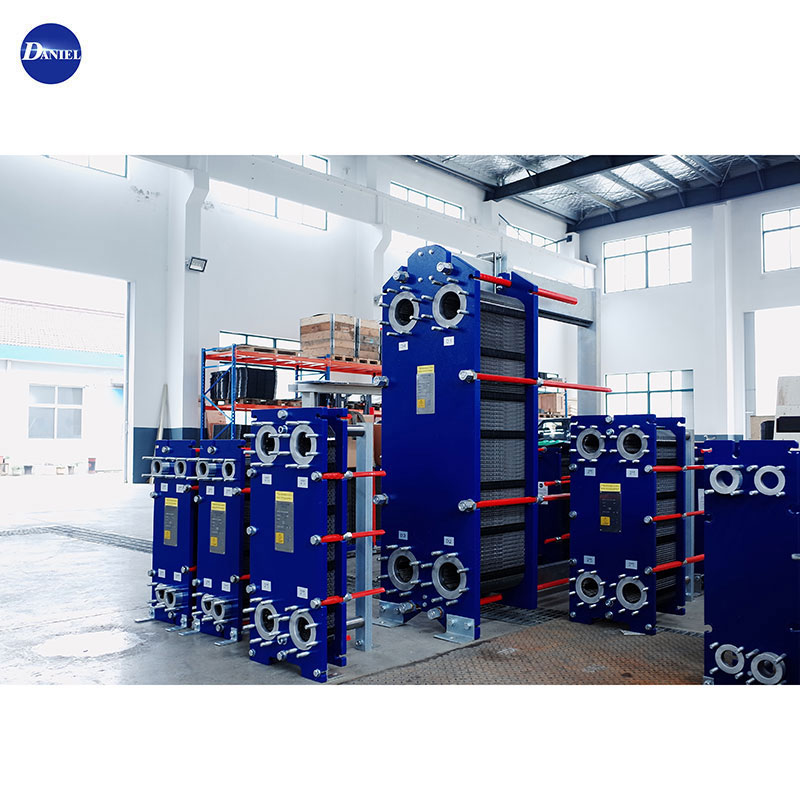
Why Heat Exchanger Selection Matters
-
Thermal Efficiency: Proper selection ensures maximum heat transfer, reducing energy consumption.
-
Corrosion Resistance: Marine-grade materials like titanium or copper-nickel prevent premature wear.
-
Maintenance and Longevity: High-quality exchangers reduce maintenance frequency and extend equipment life.
-
System Reliability: Ensures uninterrupted cooling in critical marine operations.
Heat Exchanger Types for Sea Water Air Refrigerators
| Type | Advantages | Disadvantages | Best Use |
|---|---|---|---|
| Shell & Tube | High durability, easy to clean | Larger footprint | Heavy-duty marine vessels |
| Plate | Compact, high efficiency | Prone to clogging with debris | Smaller boats or confined spaces |
| Finned Tube | Enhanced air cooling, energy-efficient | Limited seawater applications | Air-cooled marine refrigerators |
By understanding the differences in heat exchanger types, operators can choose a solution that fits both their vessel's size and operational needs. For instance, plate heat exchangers are compact and highly efficient but may require additional filtration to prevent fouling. Meanwhile, shell & tube exchangers provide robustness for heavy-duty applications, tolerating debris and temperature fluctuations.
How to Evaluate a Heat Exchanger for Marine Use
-
Material Selection: Titanium or copper-nickel alloys for seawater resistance.
-
Flow Rate & Pressure Drop: Ensure compatibility with pump capacity.
-
Temperature Differential: Confirm it meets the required cooling load.
-
Ease of Maintenance: Consider accessibility and cleaning procedures.
-
Cost Efficiency: Balance initial investment with long-term energy savings.
Best Practices from Jiangyin Daniel Cooler Co., Ltd.
-
Custom design heat exchangers tailored to vessel size and cooling requirements.
-
Conduct pre-installation testing to guarantee performance under seawater conditions.
-
Offer maintenance-friendly designs to reduce downtime.
-
Provide expert consultation to optimize heat exchanger selection for any marine refrigerator system.
FAQs
Q: Can I use a standard freshwater heat exchanger in seawater applications?
A: No, standard freshwater exchangers will corrode quickly in seawater. Marine-grade materials are essential.
Q: Which is better: plate or shell & tube for a yacht?
A: For space-saving and efficiency, plate exchangers are ideal, but for heavy-duty vessels, shell & tube offers durability.
Q: How often should marine heat exchangers be cleaned?
A: Depends on water conditions; typically every 6–12 months to prevent fouling and maintain efficiency.
Selecting the right Heat Exchanger for Sea Water Air Refrigerators is not just about equipment—it's about ensuring reliable cooling, reducing energy costs, and extending the life of your marine refrigeration system. Jiangyin Daniel Cooler Co., Ltd. provides expert guidance, high-quality marine exchangers, and customized solutions for all vessel types. For professional support and to discuss the best solution for your system, contact us today and optimize your marine cooling efficiency.