Article Summary: This article explains what a water chiller is, how it operates, and why it is essential in modern industrial and commercial applications. It addresses common customer concerns such as overheating equipment, unstable production temperatures, energy inefficiency, and maintenance challenges. You will also learn how to select the right system, understand key components, and avoid common operational mistakes.
Outline:
-
Introduction to Water Chillers
-
Table of Contents with Navigation
-
What Is a Water Chiller?
-
How Does a Water Chiller Work?
-
Why Water Chillers Are Important
-
Types of Water Chillers
-
Key Components Explained
-
Common Applications
-
Comparison Table
-
Maintenance Tips
-
FAQ Section
-
Conclusion and Contact Information
What Is a Water Chiller?
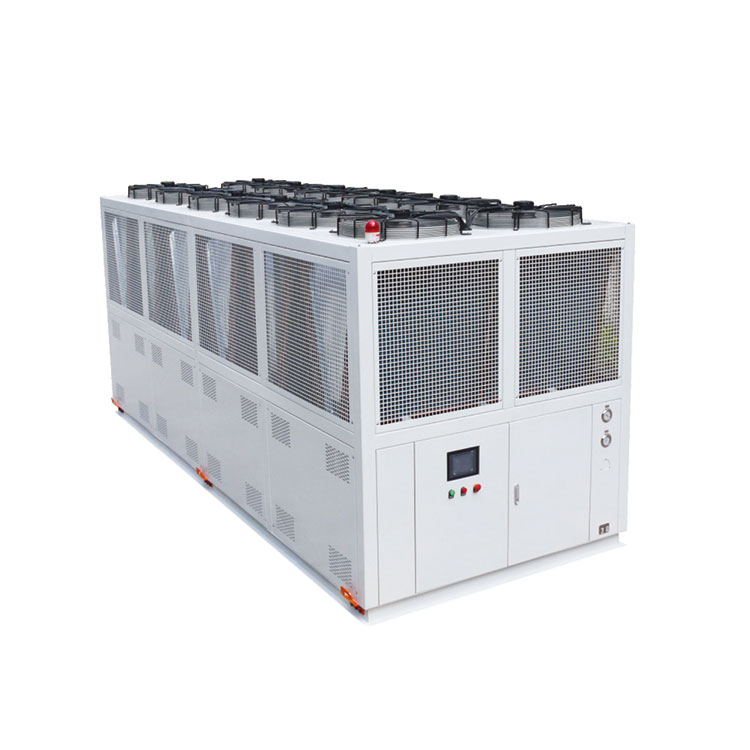
A water chiller is a mechanical system designed to remove heat from water or process fluids through a vapor-compression or absorption refrigeration cycle. The cooled water is then circulated through equipment or industrial processes to maintain controlled and stable temperatures.
In manufacturing environments, temperature control is not optional—it directly affects product quality, machine lifespan, and operational efficiency. Water chillers serve as the backbone of thermal management systems in industries such as plastics, food processing, pharmaceuticals, laser technology, and HVAC systems.
How Does a Water Chiller Work?
A water chiller operates using a closed-loop refrigeration cycle. Although systems may vary in design, the core working principle remains consistent across most industrial models.
The process can be broken down into four main stages:
-
1. Evaporation: Heat from process water is absorbed by refrigerant inside the evaporator.
-
2. Compression: The refrigerant gas is compressed, increasing its temperature and pressure.
-
3. Condensation: Heat is released into air or cooling water through a condenser.
-
4. Expansion: The refrigerant pressure drops and returns to the evaporator.
This cycle repeats continuously, ensuring a stable and controlled cooling output.
Key insight: The efficiency of a water chiller depends heavily on heat exchange performance, refrigerant type, and compressor quality.
Why Water Chillers Are Important
Water chillers solve several critical operational problems faced by manufacturers and facility operators.
-
Prevent overheating of industrial machinery
-
Improve product consistency and quality
-
Reduce equipment wear and downtime
-
Enhance energy efficiency in thermal systems
-
Maintain stable environmental conditions
Without proper cooling systems, many production lines would face frequent shutdowns, inconsistent outputs, and increased maintenance costs.
Types of Water Chillers
Water chillers are generally classified into two main categories:
|
Type
|
Description
|
Best For
|
|
Air-Cooled Water Chiller
|
Uses ambient air and fans to dissipate heat from refrigerant.
|
Small to medium industrial setups, flexible installation environments
|
|
Water-Cooled Water Chiller
|
Uses cooling tower water for heat removal, offering higher efficiency.
|
Large-scale industrial facilities with continuous operation
|
Choosing between these types depends on installation space, cooling demand, energy cost expectations, and maintenance capacity.
Key Components Explained
Understanding the internal components of a water chiller helps in troubleshooting and performance optimization.
-
Compressor: The heart of the system that circulates refrigerant.
-
Evaporator: Absorbs heat from process water.
-
Condenser: Releases absorbed heat into the environment.
-
Expansion Valve: Controls refrigerant flow and pressure reduction.
-
Water Pump: Circulates chilled water through equipment.
-
Control System: Monitors temperature and system performance.
Common Applications of Water Chillers
Water chillers are widely used across multiple industries where precision cooling is required.
-
Plastic injection molding machines
-
CNC machining and laser cutting systems
-
Food and beverage processing
-
Pharmaceutical manufacturing
-
Data centers and server cooling
-
Medical imaging equipment (MRI, CT systems)
In each of these applications, stable temperature control directly impacts product quality and operational safety.
Water Chiller Performance Comparison
|
Feature
|
Air-Cooled Chiller
|
Water-Cooled Chiller
|
|
Energy Efficiency
|
Moderate
|
High
|
|
Installation Cost
|
Lower
|
Higher
|
|
Maintenance
|
Simple
|
More complex
|
|
Space Requirement
|
Flexible
|
Requires cooling tower space
|
|
Cooling Capacity
|
Medium
|
High
|
Maintenance Tips for Water Chillers
Proper maintenance ensures long-term efficiency and reduces unexpected downtime.
-
Regularly clean condenser and evaporator surfaces
-
Check refrigerant levels and detect leaks early
-
Inspect water quality to prevent scaling
-
Monitor compressor noise and vibration
-
Replace filters periodically
-
Ensure stable electrical connections
Neglecting maintenance can significantly reduce cooling efficiency and increase operational costs over time.
FAQ – Water Chiller Systems
Q1: What size water chiller do I need?
It depends on your heat load requirements, machinery type, and production environment. A professional assessment is recommended.
Q2: How long does a water chiller last?
With proper maintenance, a high-quality chiller can last 8–15 years or more.
Q3: Can water chillers run continuously?
Yes, industrial-grade chillers are designed for 24/7 operation with proper load management.
Q4: What is the biggest cause of chiller failure?
Poor maintenance, refrigerant issues, and clogged heat exchangers are the most common causes.
Q5: Are water chillers energy efficient?
Modern systems are highly efficient, especially when correctly sized and maintained.
Conclusion
Water chillers are essential systems for maintaining thermal stability in industrial and commercial environments. By understanding how they work, what they are, and why they are important, businesses can significantly improve production efficiency, reduce downtime, and extend equipment lifespan.
For reliable and high-performance cooling solutions, Dongguan Niasi Plastic Machinery Co., Ltd. provides advanced water chiller systems designed for industrial precision, durability, and energy efficiency. Their solutions are widely used in demanding production environments where temperature control is critical.
Contact us today to learn more about customized water chiller solutions and discover how we can help optimize your cooling system for better performance and long-term reliability.