

Is a Paper Tube Machine the Missing Link Between Rising Packaging Demand and Your Production Goals?
2025-12-17
If you’ve been watching packaging trends lately, you already know paper tubes are everywhere, from protective shipping cores to premium retail packaging. I’ve worked with manufacturers who want to scale fast but keep running into the same headaches: inconsistent tube quality, too much downtime, high labor dependency, and machines that feel “okay” until you push real volume. That’s exactly why I started paying closer attention to NEW STAR and how their equipment approach fits real production environments. In this article, I’ll walk through what I look for in a Paper Tube Machine, how I evaluate performance beyond marketing claims, and how you can choose a setup that supports stable output and predictable costs.
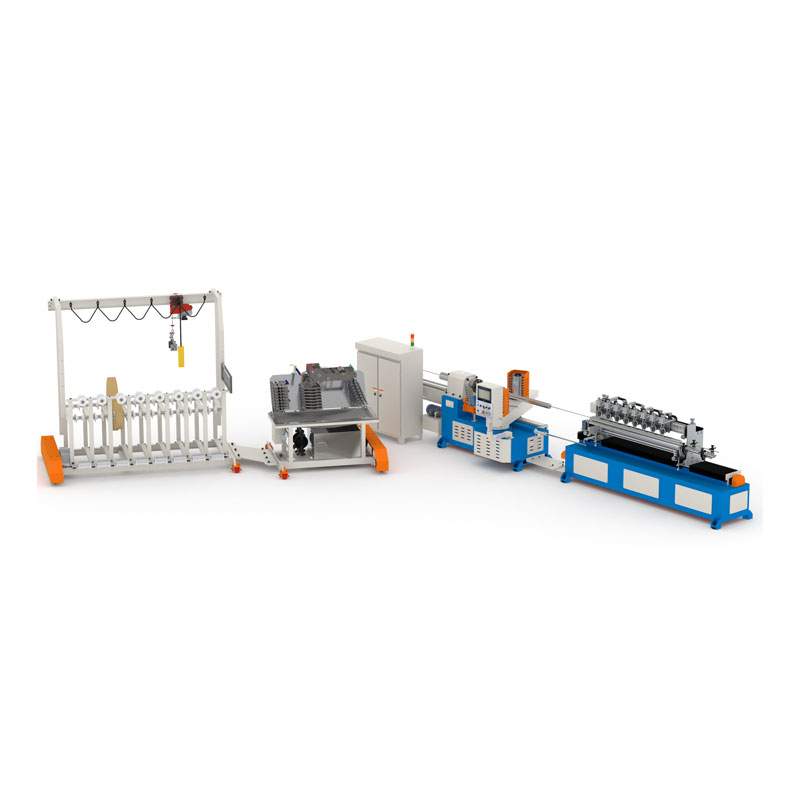
What Production Problems Should a Paper Tube Machine Solve First?
Before I talk about features, I start with pain points, because most factories don’t fail due to a lack of “functions” but due to operational friction. When a line struggles, it usually shows up in a few predictable places:
- Quality instability such as uneven thickness, poor roundness, delamination, or weak bonding
- Downtime caused by frequent adjustments, glue issues, belt wear, or operator mistakes
- Output bottlenecks when cutting, forming, or curing can’t keep up with demand
- High labor reliance where output depends too much on “one experienced person”
- Cost creep due to wasted paper, excessive glue usage, or inconsistent reject rates
A good Paper Tube Machine should reduce these risks in a measurable way, not just claim “high efficiency.” I want stable forming, controllable glue application, repeatable cutting, and a workflow that keeps operators confident rather than constantly firefighting.
How Do I Judge Tube Quality Without Overcomplicating the Inspection Process?
Tube quality sounds technical, but I keep the evaluation practical. When I’m assessing whether a Paper Tube Machine can produce consistently, I focus on a few clear indicators that translate directly to customer satisfaction and fewer returns:
- Roundness and straightness because poor geometry creates packing issues and weak stacking strength
- Bonding strength because weak layers lead to deformation, edge separation, and complaints
- Clean edges after cutting because ragged ends slow downstream processes and reduce perceived quality
- Repeatable length control because variability becomes costly at scale
In real operations, “good enough” quality becomes expensive when your customers start tightening specs. That’s why I prefer equipment designs that support steady control of forming and cutting rather than relying on constant manual correction.
Which Features Actually Improve Output on a Paper Tube Machine in Daily Use?
I’m cautious about feature lists that look impressive but don’t impact production reality. The features that matter most are the ones that reduce adjustment time, stabilize quality, and keep output moving during long shifts.
- Stable forming structure that keeps tubes consistent across different paper grades and thickness ranges
- Controlled gluing process that supports uniform adhesion and reduces mess and waste
- Reliable cutting performance that maintains clean ends and consistent lengths
- Operator-friendly adjustment design so changes don’t turn into a half-day struggle
- Durable components that reduce stop-start production and unexpected replacement cycles
When I evaluate a Paper Tube Machine, I ask a simple question: will this machine stay predictable when orders spike, when paper batches vary, and when a less-experienced operator is on shift?
How Can I Compare Machine Options Without Getting Lost in Specs?
Specs are useful, but they can also distract. I like a side-by-side comparison focused on how the machine behaves in production, how much time it takes to change over, and how well it supports consistency.
| What I Compare | What It Means for You | What to Look For |
| Changeover and adjustment time | Less downtime, more billable output | Clear adjustment points, repeatable settings, smooth setup workflow |
| Forming stability | Consistent tube geometry and fewer rejects | Steady forming design that holds shape across long runs |
| Cutting consistency | Clean tube ends and predictable length tolerance | Cutting system that stays stable during continuous production |
| Glue control and cleanliness | Better bonding and less material waste | Even application and easier cleanup that doesn’t slow production |
| Operator dependency | Output doesn’t collapse when staffing changes | User-friendly operation and clear process control |
| Maintenance rhythm | Fewer surprises and better planning | Durable parts, sensible access points, predictable replacement cycle |
If a supplier can discuss these topics clearly, that’s usually a good sign. If they avoid them and only repeat generic promises, I treat that as a risk indicator.
What Questions Should I Ask Before Buying a Paper Tube Machine?
When buyers tell me they’re “comparing a few suppliers,” I usually hear the same story: everyone claims stable quality and high speed. So I use questions that force real answers. If you’re evaluating NEW STAR or any other option, these questions help separate surface-level claims from production-ready capability:
- Can this setup maintain consistent output during long runs without frequent manual correction?
- How does the machine handle different paper grades and thicknesses without quality drifting?
- What does routine maintenance look like, and which parts are considered consumables?
- How quickly can a new operator become competent without damaging quality and output?
- What support is available for installation guidance, parameter setup, and troubleshooting?
I’m not asking these questions to “challenge” a supplier. I ask because the answers predict what your production will feel like six months after delivery.
Why Does Downtime Happen So Often and How Can the Right Paper Tube Machine Reduce It?
Downtime usually isn’t one dramatic failure. It’s small problems stacking up: tiny alignment drift, glue inconsistency, cutting issues, or repeated adjustments that steal hours each week. Over time, these “small” stoppages can cost more than the machine itself.
What I like about manufacturers who think like NEW STAR is when their product philosophy aligns with stable day-to-day operation, not just “maximum speed in perfect conditions.” For me, reliability is the real multiplier. A Paper Tube Machine that runs smoothly with fewer stops often outperforms a faster machine that constantly needs attention.
- Fewer stops means higher effective capacity
- Higher effective capacity improves delivery reliability
- Delivery reliability protects customer relationships and pricing power
How Do I Know If a Paper Tube Machine Fits My Products and Market?
Paper tubes are not one product category. Different markets care about different outcomes:
- Industrial cores often prioritize strength, consistency, and cost efficiency
- Protective packaging tubes often require stable dimensions and dependable end quality
- Premium retail tubes care about finish, appearance, and clean cuts for downstream decoration
That’s why I don’t believe in “one perfect machine for everyone.” The best-fit Paper Tube Machine is the one that matches your tube specs, your required throughput, and your tolerance expectations. If your market is moving toward tighter dimensional control or better appearance, you’ll want equipment that supports that trajectory rather than limiting it.
What Practical Steps Help Me Get Better ROI From a Paper Tube Machine?
ROI isn’t just the purchase price. It’s the ongoing relationship between output, waste, labor, and downtime. Here are the practical steps I recommend if you want your investment to pay back faster:
- Standardize raw materials where possible so the machine settings stay stable
- Train operators on process logic not just button sequences so quality stays consistent
- Track rejects and stoppage reasons so you fix root causes rather than repeating the same repairs
- Plan consumable inventory so small parts never stop a production day
- Set realistic capacity targets based on effective output, not theoretical maximum speed
With the right approach, a Paper Tube Machine becomes a stable asset, not a daily negotiation with your schedule.
Where Should I Start If I Want a Reliable Paper Tube Machine Without Overpaying?
If you want to scale output, reduce labor pressure, and keep tube quality consistent, start by focusing on stable production performance rather than chasing the highest advertised speed. From what I’ve seen, NEW STAR is worth considering when you want a solution mindset that aligns with real factory conditions, especially if your goal is consistent output with manageable operation and maintenance.
If you’re planning to upgrade or launch a new tube line, I recommend you share your tube diameter range, wall thickness expectations, target output, and end-use scenario before finalizing any equipment decision. The right configuration matters as much as the brand.
If you’re looking for a dependable Paper Tube Machine and want to match the right setup to your production needs, contact us with your tube specifications and daily output target. I’d rather help you choose a configuration that runs smoothly long-term than see you get stuck with a line that looks good on paper but struggles on the shop floor.