

Is a Vibrating Screen the Key to More Stable and Efficient Material Processing?
2025-12-26
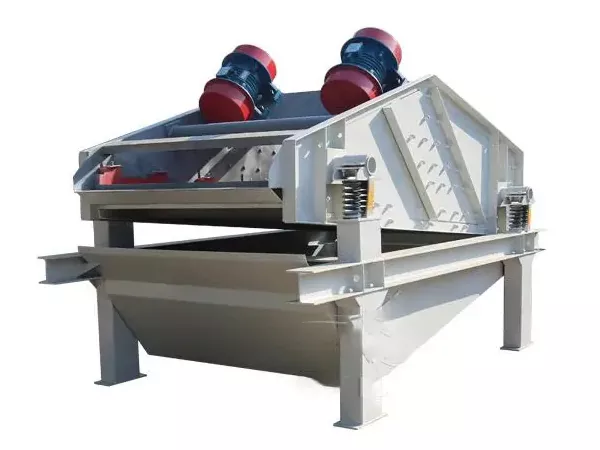
I have worked with aggregate producers, mining operators, and recycling plants long enough to notice a common frustration: screening equipment that looks fine on paper but struggles in real production. That is why I want to talk openly about the Vibrating Screen, and why solutions from EPIC gradually became part of my professional reference list through real-world performance rather than marketing promises. When screening accuracy drops or downtime increases, the entire workflow suffers, and this is often where a properly designed Vibrating Screen makes a measurable difference.
Why does screening efficiency matter more than most operators expect?
From my perspective, screening is not just a supporting process. It directly affects throughput, product consistency, and operating costs. When a Vibrating Screen is poorly matched to material characteristics, problems such as clogging, excessive wear, or uneven separation quickly appear. These issues often lead to reprocessing, wasted energy, and lost production hours.
- Unstable vibration reduces separation accuracy
- Incorrect screen media leads to frequent blockages
- Weak structural design increases maintenance frequency
By contrast, a well-engineered Vibrating Screen helps maintain consistent particle classification while keeping energy consumption under control.
How does a modern Vibrating Screen adapt to different materials?
In my experience, flexibility is one of the most undervalued advantages of a modern Vibrating Screen. Different industries handle very different materials, from dry aggregates to wet and sticky ores. A reliable screening solution must adapt without constant manual adjustment.
| Material Type | Common Challenge | Screening Requirement |
|---|---|---|
| Crushed stone | High abrasion | Wear-resistant screen panels |
| Sand and gravel | Fine particle loss | Stable vibration amplitude |
| Mining ore | Moisture and clogging | Optimized inclination and vibration |
A thoughtfully designed Vibrating Screen allows operators to switch between materials with minimal downtime, which is critical for plants running multiple product lines.
Can a Vibrating Screen really reduce long-term operating costs?
This is a question I hear often, and the answer is yes, when the equipment is chosen correctly. While the initial investment matters, I always encourage clients to look at lifecycle costs. A durable Vibrating Screen reduces unexpected shutdowns, lowers spare part consumption, and improves energy efficiency over time.
- Lower maintenance frequency due to reinforced frame design
- Reduced energy waste through balanced vibration systems
- Longer service life of screen media and bearings
Over several production cycles, these savings become far more significant than the upfront price difference.
What should operators look for when selecting a Vibrating Screen?
Based on my project experience, selection should always start with application analysis rather than catalog specifications. A Vibrating Screen must match capacity requirements, material size distribution, and environmental conditions. I also pay close attention to after-sales support, because screening equipment works under constant stress.
Manufacturers like EPIC stand out when they focus on practical engineering details, such as vibration stability and structural reliability, instead of only advertising maximum capacity figures.
Is upgrading your Vibrating Screen worth considering right now?
If your current screening system limits throughput, causes frequent downtime, or struggles with material consistency, an upgrade is often justified. I have seen production lines stabilize quickly after switching to a better-matched Vibrating Screen, especially in high-demand mining and aggregate operations.
Choosing the right solution is not about chasing trends; it is about solving real operational pain points with equipment that performs consistently under pressure.
Are you ready to improve screening performance and plant reliability?
If you are evaluating options or planning an upgrade, I strongly recommend discussing your specific application with experienced engineers. A properly selected Vibrating Screen can transform efficiency, reduce costs, and support long-term production goals.
If you want practical guidance or a tailored recommendation, feel free to contact us today. Share your material details and capacity needs, and let us help you identify a screening solution that truly works for your operation.