

An electric car uses electrical energy stored in a rechargeable battery to power one or more electric motors. Unlike a conventional gasoline vehicle, a battery-electric car does not rely on an internal combustion engine or produce direct exhaust emissions while driving. For buyers, fleet operators, and automotive businesses, understanding how the battery, motor, charging system, regenerative braking and thermal management work together makes it easier to evaluate real-world performance and ownership requirements.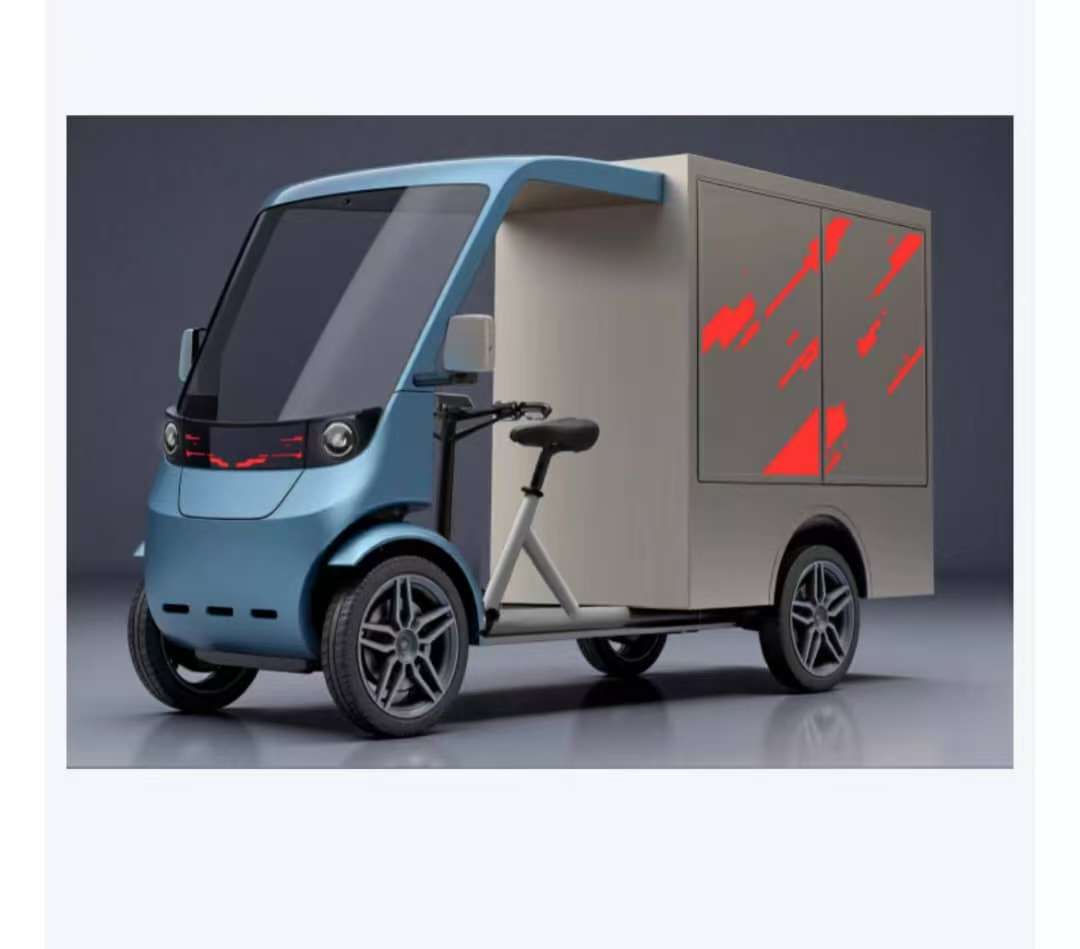
Understanding the Electric Car
The basic idea behind an electric car is straightforward: electrical energy is stored in a battery and delivered to an electric motor, which converts that energy into mechanical movement. The motor then drives the wheels through the vehicle's drivetrain.
In a battery-electric vehicle, commonly called a BEV, there is no conventional gasoline engine. Instead, the vehicle depends entirely on electrical energy for propulsion. The U.S. Department of Energy describes all-electric vehicles as vehicles that use a battery pack to store electrical energy for the motor, with charging taking place through an external electrical source and, in part, through regenerative braking.
This architecture changes more than the fuel source. The powertrain contains fewer mechanical components associated with combustion, such as fuel pumps, fuel lines, exhaust systems and engine oil systems. That difference affects vehicle packaging, maintenance routines, driving characteristics and energy consumption.
Main Components Inside an Electric Car
Although EV designs differ between manufacturers, most battery-electric cars rely on several major systems. Understanding their functions helps explain why battery capacity alone does not determine the complete driving experience.
| Component | Primary Function | Why It Matters |
|---|---|---|
| Traction Battery | Stores electrical energy | Influences range, weight and available power |
| Electric Motor | Converts electrical energy into mechanical power | Determines acceleration and drivetrain response |
| Inverter | Controls electrical power supplied to the motor | Helps regulate motor speed and torque |
| Charge Port | Connects the vehicle to external charging equipment | Determines charging compatibility |
| Thermal Management | Manages battery and powertrain temperature | Important for performance, charging and battery operation |
| Vehicle Control System | Coordinates powertrain operation | Balances performance, efficiency and system protection |
The traction battery is particularly important because it is both an energy-storage system and a significant part of the vehicle's weight. However, two vehicles with batteries of similar capacity can have noticeably different ranges because motor efficiency, aerodynamics, tire characteristics, vehicle weight, software calibration and driving conditions also influence energy consumption.
How an Electric Car Turns Electricity into Motion
When an EV is switched on, electrical energy from the battery is managed by the vehicle's power electronics. The inverter regulates the electricity delivered to the motor according to accelerator input and driving conditions. The motor produces torque, which is transferred to the wheels.
One noticeable characteristic is the immediate response of an electric motor. Unlike an internal combustion engine that builds torque through combustion and a transmission system, an electric motor can deliver strong torque from very low speed. This contributes to the smooth acceleration associated with many EVs.
When the driver slows down, the system can reverse the motor's role. Instead of simply consuming electrical energy to produce motion, the motor operates as a generator and converts part of the vehicle's kinetic energy back into electrical energy. This process is known as regenerative braking.
What Determines Electric Car Range?
Range is one of the first questions asked by prospective EV buyers, but the published battery capacity or rated range should not be treated as a fixed distance under every condition. Actual energy consumption changes with weather, road speed, driving style, payload, terrain and climate-control use.
The Department of Energy notes that extreme temperatures can reduce EV range because the vehicle must use additional energy for heating or cooling. Rapid acceleration, heavy loads and significant inclines can also increase energy consumption. Highway driving may consume more energy than city driving because higher speeds increase aerodynamic drag, while frequent city deceleration provides more opportunities for regenerative braking.
Five Practical Range Factors
- Battery capacity: A larger usable battery generally provides more stored energy, although it also adds weight.
- Driving speed: Higher highway speeds can increase aerodynamic resistance and energy consumption.
- Temperature: Very hot or cold conditions can increase energy demand for cabin and battery thermal management.
- Driving style: Aggressive acceleration and repeated high-power operation can reduce efficiency.
- Vehicle load: Passengers, cargo, trailers and steep roads can all affect energy consumption.
Understanding EV Charging
Charging is the part of EV ownership that requires the biggest change in routine for drivers accustomed to filling a gasoline tank. Instead of visiting a fuel station only when the tank is nearly empty, an EV can often be connected whenever it is parked for a longer period.
Charging speed depends on the charging equipment, vehicle charging capability, battery state of charge, battery capacity and temperature. The EPA identifies Level 1, Level 2 and DC fast charging as the major charging categories. Level 1 uses a standard household outlet and is suitable for slower overnight charging, while Level 2 provides substantially more charging power. DC fast charging can replenish a much larger amount of range in a shorter period, although the exact rate varies by vehicle and charging station.
| Charging Type | Typical Use | Main Consideration |
|---|---|---|
| Level 1 | Home, overnight or low-mileage use | Slow charging rate |
| Level 2 | Homes, workplaces, parking facilities | Requires suitable electrical installation |
| DC Fast Charging | Long-distance travel and rapid turnaround | Vehicle, station and battery conditions affect charging speed |
For home charging, the right setup depends on daily mileage, parking location, electrical capacity and budget. The EPA recommends consulting an electrician when installing a Level 2 charger and checking the vehicle manufacturer's requirements.
Maintenance and Long-Term Ownership
Electric cars do not eliminate maintenance, but their maintenance profile differs from that of conventional vehicles. A battery-electric powertrain does not require engine oil changes, spark plugs or many of the components associated with combustion engines. The simpler mechanical architecture can reduce some routine service requirements. 6}
That does not mean an EV can simply be ignored after purchase. Tires, brakes, suspension, steering components, cabin filters, cooling systems and other vehicle systems still require inspection and service. Brake wear can also be influenced by regenerative braking because the electric motor can provide part of the deceleration normally handled by friction brakes.
Areas Worth Monitoring
- Battery condition and vehicle-recommended charging practices
- Tire pressure, tread wear and alignment
- Brake system condition
- Coolant and thermal-management systems where applicable
- Charging cable, connector and charge-port condition
- Software updates and manufacturer service recommendations
For commercial buyers, service support deserves attention before purchase. A vehicle that performs well on paper may still create operational difficulties if spare parts, technical support, diagnostic equipment or trained service personnel are difficult to access.
Electric Car vs. Conventional Car
The difference between an electric car and a conventional gasoline vehicle goes well beyond the energy source. The two powertrains have different mechanical structures, energy-conversion processes and operating routines.
| Factor | Electric Car | Conventional Car |
|---|---|---|
| Primary Energy | Electricity stored in a battery | Liquid fuel |
| Propulsion | Electric motor | Internal combustion engine |
| Refueling / Charging | Electrical charging | Fuel station refueling |
| Tailpipe Emissions | None for a BEV during operation | Produced during combustion |
| Regenerative Braking | Can recover part of braking energy | Conventional braking primarily dissipates energy as heat |
It is important to distinguish local tailpipe emissions from total environmental impact. A battery-electric car has no direct exhaust emissions while operating, but electricity generation can have associated emissions depending on the energy source.
Key Points for Buyers and Fleet Operators
Choosing an electric car should start with the intended operating pattern rather than simply looking at the largest battery or longest advertised range. A vehicle that matches the daily route and charging environment can be easier to operate than one selected purely on headline specifications.
Daily Distance
Calculate normal daily mileage and allow practical room for weather, traffic and detours.
Charging Access
Check whether charging is available at home, work, depots, destinations or along regular routes.
Operating Conditions
Consider temperature, road conditions, payload, terrain and highway usage.
Service Support
Review warranty terms, maintenance resources, parts availability and technical support.
For businesses, the calculation can go one step further. Fleet managers may need to consider charging schedules, vehicle utilization, electricity demand, route planning, downtime and total operating costs. In this setting, the most useful EV is the one whose specifications fit the actual work cycle.
Heima recognizes that electric mobility is ultimately a practical engineering challenge. Battery capacity, drivetrain efficiency, charging compatibility, thermal management and component reliability all contribute to how an electric car performs in everyday operation. Understanding those relationships gives buyers a clearer basis for evaluating vehicles and related automotive products.
Frequently Asked Questions About Electric Cars
Does an electric car use gasoline?
A battery-electric vehicle does not use gasoline for propulsion. It relies on electricity stored in its battery to power the electric motor. Plug-in hybrid vehicles are different because they combine an electric drivetrain with a combustion engine.
How far can an electric car travel on one charge?
Range varies significantly by model. Current battery-electric vehicles cover a broad range of driving distances, and actual results depend on battery capacity, vehicle efficiency, speed, temperature, terrain, driving style and load.
Can an electric car be charged at home?
Yes. Home charging can be performed using Level 1 equipment or a faster Level 2 installation, depending on the vehicle and household electrical system. A qualified electrician should be consulted when installing dedicated charging equipment.
What is regenerative braking?
Regenerative braking uses the electric motor as a generator during deceleration. It converts part of the vehicle's kinetic energy into electrical energy that can be stored in the battery.
Does an electric car need regular maintenance?
Yes. EVs still require maintenance for tires, brakes, suspension, steering, cooling systems, cabin filters and other vehicle components. However, battery-electric vehicles avoid many combustion-engine services such as engine oil and spark-plug replacement.
Why can EV range decrease in cold weather?
Low temperatures can increase energy demand for cabin heating and thermal management. Driving conditions can therefore produce lower practical range than under mild-weather conditions.
Is a larger battery always the better solution?
Not necessarily. A larger battery can provide additional stored energy, but it can also add vehicle weight and cost. For many applications, the better technical match comes from balancing usable range, vehicle efficiency, charging access, payload and operating requirements.
Need More Information About Electric Cars?
Whether you are evaluating electric vehicles for personal transportation, commercial fleets or automotive applications, the right technical information can make product selection much easier. Contact Heima to discuss your requirements, specifications and application needs.
Contact Us