

What Is the Difference Between a Screw Conveyor and a Belt Conveyor
2026-11-10
Choosing the right conveying equipment directly affects throughput, operating cost, and long-term reliability. A screw conveyor and a belt conveyor are two of the most common solutions in bulk material handling, yet they serve very different purposes. At EPIC, we help facilities match the right conveyor technology to their material, layout, and process conditions. This comparison breaks down the key differences so you can specify with confidence.
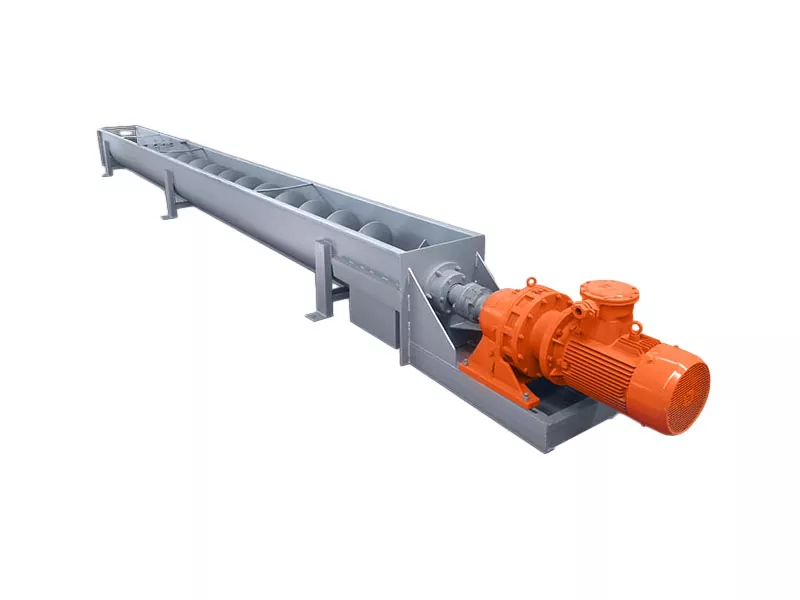
Core Design Differences
A screw conveyor uses a rotating helical flight inside a trough or tube to push material forward. A belt conveyor carries material on a continuous moving belt supported by idlers or a slider bed. The mechanical principles are fundamentally different, which explains their distinct performance profiles.
| Feature | Screw Conveyor | Belt Conveyor |
|---|---|---|
| Material path | Enclosed trough or tube | Open belt surface |
| Typical capacity | Low to moderate | Moderate to very high |
| Incline capability | Up to 45° or more | Usually limited to 15–20° |
| Dust containment | Excellent (enclosed) | Requires covers or skirting |
| Length | Short to medium | Short to very long |
| Material types | Powders, granules, sludge | Bulk solids, aggregates, packages |
| Maintenance focus | Flights, hanger bearings, shaft | Belt tracking, splicing, idlers |
Performance and Application Comparison
Screw conveyors excel in space-constrained layouts, gentle inclines, and processes requiring dust control or gentle mixing. They handle cohesive, friable, or hot materials well and can be configured with multiple inlets and discharges. EPIC engineers screw conveyors for chemical, food, wastewater, and mineral processing applications where enclosure and precision matter.
Belt conveyors dominate when high tonnage, long distance, or fragile material integrity is the priority. They offer lower power consumption per ton over long runs and easier visual inspection. However, they demand more space and typically require dust suppression systems.
Key selection criteria include:
-
Material characteristics: particle size, bulk density, abrasiveness, moisture
-
Capacity and distance: tons per hour and horizontal/vertical run
-
Plant layout: available footprint, incline angle, discharge points
-
Environmental controls: dust, temperature, sanitation requirements
Maintenance and Cost Considerations
Screw conveyors have fewer wear parts but require attention to hanger bearings and flight wear. Belt conveyors involve more components—idlers, pulleys, and splicing—but are simpler to monitor visually. EPIC supports both technologies with application-specific wear materials and service guidance.
Frequently Asked Questions
Can a screw conveyor handle the same capacity as a belt conveyor? No, a screw conveyor generally delivers lower capacity than a belt conveyor of similar size, so high-tonnage duties usually favor belts.
Which conveyor is better for dusty or hazardous materials? A screw conveyor is typically better because its enclosed design contains dust and reduces exposure risk.
Can a screw conveyor operate on an incline? Yes, a screw conveyor can handle steeper inclines than a standard belt conveyor, often up to 45° depending on material.
When should I choose a belt conveyor over a screw conveyor? Choose a belt conveyor for long distances, very high capacity, or fragile materials that must not be tumbled.
Conclusion
The right choice depends on material behavior, capacity, layout, and containment needs. EPIC delivers both screw conveyor and belt conveyor solutions with engineering support tailored to your process.
Contact us today to discuss your application and receive a recommendation from the EPIC team.