

What is the Price Range for Industrial H-Frame Presses
2025-12-15
When sourcing a robust and versatile industrial press, understanding the H-frame press price range is crucial for budgeting and ROI calculations. Prices vary dramatically based on capacity, construction, and features. As a leader in durable industrial machinery, Digor Heavy manufactures a range of H-frame hydraulic presses designed for reliability across workshops and production floors. This guide breaks down the cost factors and typical investment for a machine that will serve you for decades.
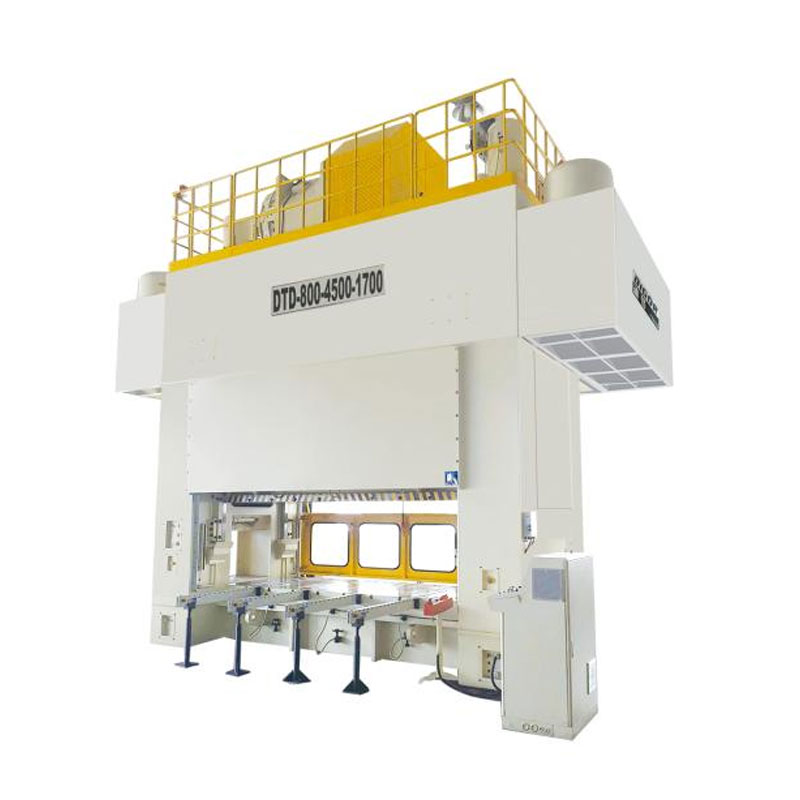
The primary driver of cost is tonnage, which dictates the press's force and structural robustness. Here’s a general price framework:
-
Entry-Level (10-30 Ton): Ideal for lighter tasks like bending, pressing bearings, or assembly. Prices typically range from $3,000 to $8,000.
-
Mid-Range (50-100 Ton): The most versatile for fabrication, straightening, and forming. Expect to invest between $10,000 and $25,000.
-
Industrial-Grade (150-300+ Ton): For heavy-duty stamping, molding, and repair. Prices start around $35,000 and can exceed $100,000.
Beyond tonnage, specifications significantly impact value. A Digor Heavy press offers premium features that justify its investment through superior performance and longevity. Key parameters include:
| Feature | Digor Heavy Standard Specification | Impact on Value & Performance |
|---|---|---|
| Frame Construction | Reinforced steel plate, fully welded | Ensures minimal deflection under full load, critical for precision and safety. |
| Cylinder & Pump | Branded, low-noise high-pressure hydraulic system | Provides consistent power, faster cycle times, and reduced maintenance. |
| Throat Depth | Deep throat design (e.g., 24”) | Allows for handling wider or more complex workpieces. |
| Control System | Two-handed safety controls with pressure gauge & adjustable limit switch | Enhances operator safety and allows for precise, repeatable operations. |
| Table & Platen | Large, hardened steel table with T-slots | Facilitates flexible tooling and fixture setup for diverse applications. |
H-Frame Press FAQ
Q: What is the main advantage of an H-frame press over a C-frame design?
A: The primary advantage is superior stability and rigidity. The enclosed H-frame press structure minimizes bed deflection under asymmetric loads, allowing for more accurate work on off-center parts and heavier-duty applications compared to the open-sided C-frame.
Q: Can the speed of the ram be adjusted on a hydraulic H-frame press?
A: Yes, most quality presses, including those from Digor Heavy, feature a variable speed control. This allows operators to adjust the ram's approach and pressing speed for different materials and tasks, enhancing both control and safety.
Q: What kind of maintenance does an industrial H-frame hydraulic press require?
A: Regular maintenance is straightforward but essential. It primarily involves checking and maintaining proper hydraulic fluid levels, inspecting and replacing seals if leaks occur, and ensuring all safety devices and electrical connections are functional. A well-built press like a Digor Heavy model requires minimal unscheduled downtime.
Determining the right H-frame press for your needs involves balancing initial cost with long-term capability and reliability. Investing in a well-engineered machine from a trusted brand like Digor Heavy ensures you get a critical asset built for productivity, not just a piece of equipment.
Ready to find the perfect H-frame hydraulic press for your shop's specific needs and budget? Contact our engineering team at Digor Heavy today for a detailed quote and expert application advice.