

What Makes a Lora Concentrator a High-Performance Choice for Long-Range IoT Connectivity?
2025-11-14
A Lora Concentrator serves as the core communication hub within a LoRaWAN network, enabling long-range, low-power, and highly scalable data transmission across wide geographic areas. It receives signals from a large number of LoRa nodes, processes them with high sensitivity, and forwards the data to network servers. As IoT applications continue expanding across industries—from smart cities and utilities to agriculture and logistics—the reliability and capacity of a Lora Concentrator determine overall system performance.
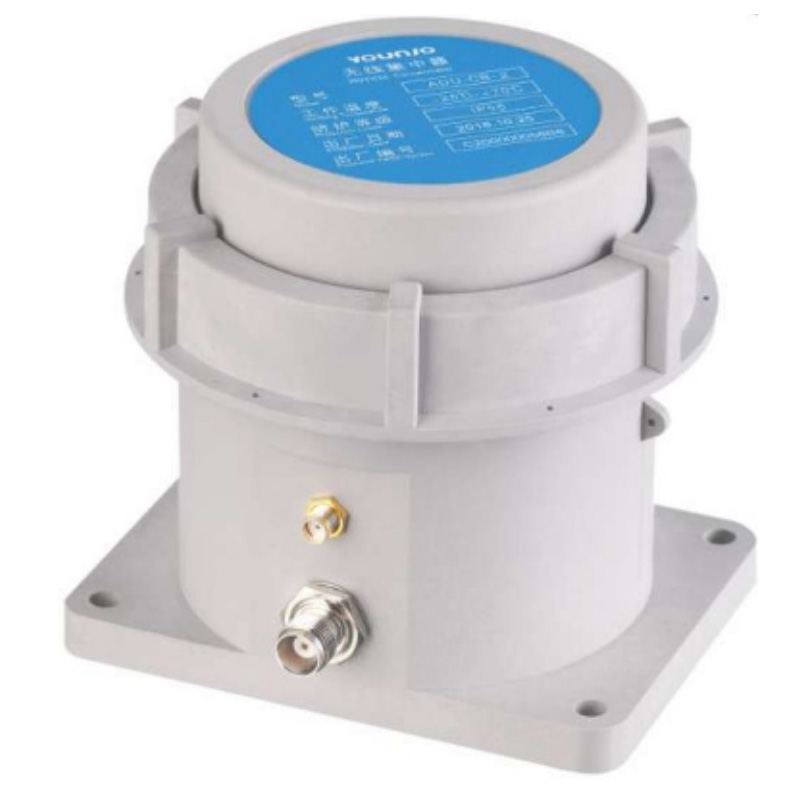
Why Does a Lora Concentrator Deliver Superior Network Coverage and System Efficiency?
A high-quality Lora Concentrator ensures strong network performance by maximizing gateway sensitivity, link budget, and signal stability. These devices are engineered to support thousands of endpoints, manage simultaneous channels, and maintain reliable operation in diverse industrial environments. Their importance lies in the ability to process multiple uplink and downlink messages at once, ensuring uninterrupted communication for high-density IoT deployments.
Below is a technical parameter table showcasing the professional specifications of a typical LoRa Concentrator widely used in enterprise-grade projects:
| Parameter Type | Specification |
|---|---|
| Frequency Range | 868 MHz / 915 MHz (regional variations available) |
| Bandwidth Support | 125 kHz / 250 kHz / 500 kHz |
| Spreading Factor (SF) | SF7 to SF12 |
| Receiver Sensitivity | Up to –140 dBm |
| Transmit Power | Up to +27 dBm |
| Channel Capacity | 8-16 channels simultaneous demodulation |
| Interface Options | SPI, USB, Mini-PCIe |
| Modulation | LoRa / FSK |
| Operating Voltage | 3.3V / 5V (model dependent) |
| Operating Temperature | –40°C to +85°C |
| Security Features | AES128 encryption compatibility |
| Network Compatibility | LoRaWAN Class A/B/C |
These parameters highlight why the product stands out—strong reception sensitivity, flexible channel support, industrial-grade temperature tolerance, and stable long-distance connectivity.
A Lora Concentrator delivers advantages including:
-
Wide-Area Coverage: Ideal for rural, industrial, and urban environments requiring dispersed connectivity.
-
Low-Power Efficiency: Works seamlessly with battery-powered IoT endpoints that need years of standby time.
-
Scalable Architecture: Supports rapid device onboarding and large-scale deployments.
-
High Immunity and Stability: Maintains reliable signal performance even in interference-heavy zones.
-
Flexible Integration: Offers multiple interface options for OEM manufacturers and smart-device integrators.
These strengths make the device an essential element of modern IoT infrastructures, meeting the operational needs of industries seeking low cost, extended range, and high reliability.
How Does a Lora Concentrator Work and What Functional Roles Does It Play Across Industries?
Understanding the operational mechanism of a Lora Concentrator reveals how it manages long-range communication. When LoRa nodes transmit data packets, the concentrator captures the signals using multi-channel receivers. Each channel demodulates the LoRa signal with a unique spreading factor. This allows the concentrator to process multiple transmissions concurrently without collision. After decoding, the data is forwarded to the network server through a wired or wireless backhaul.
Key functional roles include:
1. Multi-Channel Data Processing
A Lora Concentrator supports simultaneous demodulation across numerous channels, enabling massive connectivity across IoT environments. This makes it suitable for high-density networks where thousands of sensors report data continuously.
2. Long-Range Signal Reception
With a receiver sensitivity reaching –140 dBm, the concentrator excels in picking up low-power transmissions from remote nodes. This ensures stable performance over several kilometers, depending on environmental conditions.
3. Adaptive Data Rate Optimization
The device supports varying spreading factors, enabling intelligent adjustments for energy efficiency, communication reliability, and network throughput. The adaptive data rate mechanism ensures optimal distribution of network resources.
4. Industrial-Grade Operation
Its robust construction and wide temperature tolerance ensure long-term stability in harsh outdoor or industrial settings such as factories, mines, or agricultural fields.
5. Application Versatility Across Industries
A Lora Concentrator plays a critical role in:
-
Smart Cities: Streetlight monitoring, waste-management systems, parking sensors.
-
Smart Agriculture: Soil moisture sensing, irrigation automation, crop monitoring.
-
Smart Utilities: Water, gas, and electricity meter reading.
-
Environmental Monitoring: Air quality, weather stations, flood detection.
-
Logistics and Supply Chain: Asset tracking, warehouse automation.
-
Industrial Automation: Machine status monitoring, predictive maintenance.
The device’s ability to handle long-range, low-power data makes it a vital communication bridge in all these fields.
What Are the Future Trends for Lora Concentrator Technology and How Will They Shape Large-Scale IoT Deployments?
The future of Lora Concentrators is closely linked to rapid IoT expansion, smarter data management, and enhanced connectivity infrastructure. Key trends include:
1. Higher Channel Density and Multi-Gateway Coordination
Next-generation concentrators will support more channels, boosting network capacity. Coordinated gateway clusters will manage overlapping coverage zones, improving reliability and reducing packet loss.
2. Integration with Edge Intelligence
As networks expand, edge-level data filtering, preprocessing, and event-based alerts will reduce server load and improve responsiveness. This trend positions the concentrator as not only a receiver but also a lightweight edge-computing module.
3. Enhanced Interference Resistance
More advanced demodulation algorithms and stronger RF components will further stabilize communication in dense urban environments with competing wireless signals.
4. Energy-Efficient Network Architecture
Future concentrators will adopt energy-optimized designs with adaptive power control and environmentally friendly operation modes to support off-grid or renewable-powered deployments.
5. Growing Demand in Smart Infrastructure
As nations invest more in smart city ecosystems, the concentrator’s role will expand in public systems including transportation, energy distribution, and environmental protection.
6. Expanding Compatibility with Hybrid IoT Technologies
Combining LoRa with Wi-Fi, cellular, satellite, and Bluetooth enhances device versatility. Hybrid communication gateways will allow smoother data transmission in complex multi-layered IoT systems.
Common FAQs About Lora Concentrators
Q1: How many devices can a Lora Concentrator support in a typical IoT deployment?
A Lora Concentrator can support thousands of devices depending on channel availability, spreading factors, and application duty cycles. Multi-channel demodulation and network server coordination ensure efficient handling of simultaneous transmissions. In a well-designed LoRaWAN network, a single concentrator can manage dense sensor clusters while maintaining smooth data flow.
Q2: What factors influence the transmission range of a Lora Concentrator?
Transmission range is affected by spreading factor, antenna quality, operating frequency, environmental obstacles, and device placement. Higher spreading factors offer longer range but reduce data throughput. Outdoor deployments with elevated antenna positions achieve the longest distances, often several kilometers or more depending on terrain and environmental conditions.
A Lora Concentrator is a powerful and essential device in long-range IoT communication networks, enabling stable, low-power, and scalable data transmission across a wide range of industries. Its advanced parameters, robust functionality, and adaptability make it a key driver of smart infrastructure development. As IoT ecosystems continue to expand, the Lora Concentrator will evolve toward higher performance, stronger processing capabilities, and more intelligent integration. For professional-grade solutions and reliable long-range IoT communication hardware, YOUNIO provides strong industry expertise and dependable product support. For more details or customized requirements, contact us.