

What Makes a Rotary Level Gauge Essential for Industrial Applications?
2026-06-12
In modern industrial operations, precise measurement of liquid levels is crucial for safety, efficiency, and cost-effectiveness. Among the various instruments available, the Rotary Level Gauge stands out as a reliable, accurate, and versatile tool. Designed to measure fluid levels in storage tanks, reactors, and process vessels, this device combines mechanical precision with ease of maintenance, making it a preferred choice across multiple industries. Companies like Zhangjiagang FANCHANG Machinery Co., Ltd. specialize in manufacturing high-quality rotary level gauges that meet stringent industrial standards.
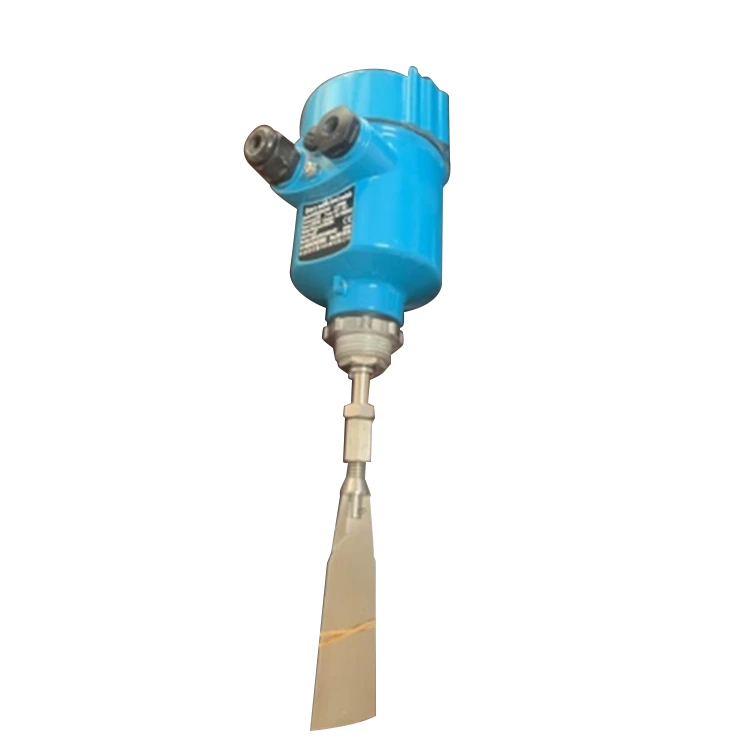
How Does a Rotary Level Gauge Work?
A Rotary Level Gauge operates on the principle of a rotating float or paddle wheel that detects liquid levels and transmits this information to a visual display or control system. The rotation of the paddle corresponds to the presence or absence of liquid at different heights. Some advanced models are equipped with electronic sensors that allow for real-time monitoring and integration into automated control systems.
Key working principles include:
- Mechanical Rotation: The paddle rotates as it contacts liquid, providing a clear visual indication.
- Magnetic Coupling: Converts mechanical movement into readable signals without direct contact with the liquid.
- Remote Monitoring: Optional sensors transmit data to SCADA or PLC systems for real-time process control.
Table 1: Key Features of Rotary Level Gauges
| Feature | Description |
|---|---|
| Measurement Accuracy | ±0.5% of full scale |
| Material Compatibility | Stainless steel, carbon steel, or other alloys suitable for corrosive fluids |
| Temperature Range | -40°C to 300°C (depending on model) |
| Pressure Range | Up to 25 bar |
| Output Options | Mechanical dial, electronic signal (4-20 mA, HART) |
Why Choose a Rotary Level Gauge Over Other Level Measurement Methods?
Industries often face the choice between Rotary Level Gauges and other liquid measurement methods such as ultrasonic, radar, or float switches. While each has its merits, rotary gauges offer unique advantages:
- Robustness: Suitable for high-pressure and high-temperature applications.
- Simplicity: Fewer electronic components reduce the risk of malfunction.
- Versatility: Can handle viscous, abrasive, and corrosive fluids without damage.
- Cost-Effectiveness: Lower maintenance costs and long service life make it economical over time.
Comparison: Rotary Level Gauge vs. Ultrasonic Level Sensor
| Feature | Rotary Level Gauge | Ultrasonic Level Sensor |
|---|---|---|
| Accuracy | High, reliable in most industrial fluids | High, but affected by foam or vapor |
| Maintenance | Minimal, simple mechanical design | Requires periodic calibration |
| Temperature & Pressure Range | Broad, handles extreme conditions | Limited by sensor specifications |
| Installation | Mechanical mounting | Requires alignment and unobstructed path |
Applications and Benefits
Rotary Level Gauges are widely used across industries due to their reliability and ease of integration. Common applications include:
- Chemical Plants: Accurate monitoring of corrosive or hazardous liquids.
- Oil & Gas: Measuring crude oil, refined products, and fuel levels.
- Food & Beverage: Ensuring safe and hygienic liquid storage.
- Water Treatment Plants: Monitoring water tanks and chemical dosing systems.
Benefits of Rotary Level Gauges:
- Continuous and accurate level indication.
- Reduced downtime due to low maintenance requirements.
- Ability to integrate with automation systems for remote monitoring.
- Improved operational safety by preventing overfilling or dry running.
List: Key Advantages at a Glance
- High reliability under extreme conditions
- Simple installation and maintenance
- Compatible with corrosive and viscous liquids
- Optional electronic output for automation systems
- Long operational lifespan
Choosing the Right Rotary Level Gauge
When selecting a Rotary Level Gauge, factors to consider include:
- Material of Construction: Ensure compatibility with the process liquid.
- Tank Size and Geometry: Choose a gauge that fits the vessel design.
- Output Requirements: Decide between mechanical, electronic, or combined outputs.
- Environmental Conditions: Consider temperature, pressure, and potential hazards.
Zhangjiagang FANCHANG Machinery Co., Ltd. offers a wide range of rotary level gauges tailored to diverse industrial applications, ensuring both precision and reliability. Their products are designed to comply with international standards while providing customizable options for unique process requirements.
Conclusion
A Rotary Level Gauge is an indispensable tool for industries requiring accurate, reliable, and durable liquid level measurement. Its mechanical simplicity, versatility, and long-term performance make it a superior choice compared to many electronic alternatives. Whether for chemical processing, oil storage, or water treatment, investing in a high-quality rotary level gauge ensures operational efficiency, safety, and peace of mind.
For tailored solutions and more information about the complete range of Rotary Level Gauge products, contact us at Zhangjiagang FANCHANG Machinery Co., Ltd. today and enhance your industrial operations with precision and reliability.