

A cluttered garage can waste valuable space, slow down daily work, and make tools difficult to find when they are needed most. For homeowners, automotive workshops, maintenance teams, and commercial facilities, an effective storage system is essential for improving efficiency and protecting valuable equipment.
Metal garage storage cabinets offer a practical way to organize tools, spare parts, automotive supplies, cleaning products, and other workshop essentials. With the right cabinet configuration, users can make better use of vertical space, improve access to frequently used items, and create a cleaner working environment without sacrificing durability.
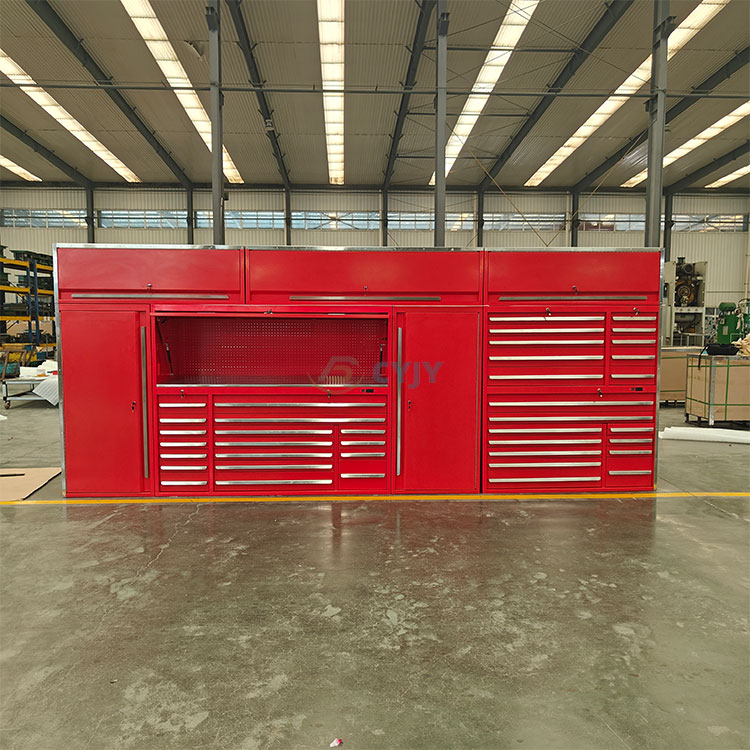
1. Why Metal Cabinets Are Ideal for Garage Storage
A garage is rarely used for just one purpose. It may serve as a vehicle maintenance area, a tool room, a household storage space, or a small production workshop. These different activities create varied storage demands, from keeping small fasteners organized to protecting heavy equipment and bulky accessories.
Metal garage storage cabinets provide a defined place for these items while helping reduce clutter on workbenches and floors. Compared with improvised shelving or open containers, enclosed cabinets can also reduce direct exposure to dust and accidental contact.
Durable Daily Use
Suitable metal construction can withstand regular opening, closing, and handling. Actual durability depends on steel thickness, reinforcement, finish quality, hardware, and the intended load.
Better Organization
Shelves, drawers, and compartments separate tools and supplies, making it easier to return items to their designated locations after use.
Efficient Use of Space
Tall cabinets use vertical space, while wall-mounted configurations can free floor area when the wall structure and rated installation method support them.
A Professional Appearance
Consistent cabinet layouts create a cleaner workshop, simplify housekeeping, and help businesses maintain a more organized work environment.
Metal construction is not automatically the best choice for every situation. Extremely humid environments, corrosive chemicals, outdoor exposure, and unusually heavy equipment require careful specification. Selecting a cabinet according to its actual operating conditions is more valuable than choosing one based on appearance alone.
2. Common Garage Storage Problems They Solve
Before choosing a storage product, it helps to identify the problems that make a garage difficult to use. A cabinet should address real workflow issues rather than simply provide additional places to put things.
Tools Are Difficult to Find
When sockets, measuring tools, power-tool accessories, and replacement parts are scattered across several surfaces, even simple tasks take longer. Cabinets with adjustable shelves, drawers, and clearly assigned storage zones help users locate equipment quickly. Small-part organizers can further separate screws, nuts, bolts, washers, and fittings.
Workbenches Become Overcrowded
Workbenches are most useful when they have enough clear space for repairs, assembly, and inspection. Moving spare tools and infrequently used supplies into enclosed cabinets keeps work surfaces available for the task at hand.
Supplies Become Dusty or Disorganized
Doors provide a barrier against ordinary airborne dust and accidental splashes. However, standard cabinets are not necessarily airtight, waterproof, or suitable for hazardous substances. Chemicals, flammable liquids, and sensitive materials may require dedicated storage equipment that meets applicable safety requirements.
Storage Needs Change Over Time
A garage that initially stores hand tools may eventually need space for diagnostic equipment, automotive components, seasonal supplies, or larger power tools. Adjustable shelving and modular cabinet arrangements make it easier to adapt the storage system without redesigning the entire room.
The practical goal is simple: reduce searching, protect equipment, improve accessibility, and maintain clear working areas.
3. Which Cabinet Types Suit Different Applications?
Metal garage storage cabinets come in several configurations. Choosing the right design requires matching the cabinet's structure to the size, weight, and frequency of access associated with the items being stored.
| Cabinet Type | Typical Applications | Key Consideration |
|---|---|---|
| Tall storage cabinet | Hand tools, maintenance supplies, boxed components | Overall height, shelf adjustment, and stability |
| Drawer cabinet | Small tools, fasteners, measuring equipment | Drawer load rating and smooth operation |
| Wall-mounted cabinet | Frequently used lightweight tools and accessories | Wall strength, fixing method, and clearance |
| Mobile tool cabinet | Repair bays and flexible workshop layouts | Wheel capacity, brakes, and loaded stability |
| Workbench cabinet | Tools and parts stored beneath a working surface | Bench height, worktop capacity, and legroom |
| Modular cabinet system | Large garages, maintenance departments, workshops | Compatible dimensions and future expansion |
A tall cabinet is often useful for bulky supplies, while drawers are better for organizing numerous small items. Wall-mounted storage can make good use of otherwise unused wall space, but heavy objects should only be stored in systems designed and installed for the relevant load.
For a professional workshop, combining several cabinet types may provide a more efficient solution than relying on one large storage unit. A mixed arrangement can separate daily-use tools, bulk supplies, and specialized equipment according to their functions.
4. Materials, Construction, and Durability
Cabinet performance depends on more than the fact that it is made from metal. Buyers should evaluate the complete construction, including the body, doors, shelves, joints, hinges, handles, locks, and surface treatment.
Steel Thickness and Structural Design
Steel thickness is one factor affecting stiffness and load performance, but it should not be considered in isolation. Reinforced panels, folded edges, shelf supports, internal braces, and the overall cabinet geometry also influence how a unit performs under load.
Ask suppliers for the stated load capacity of individual shelves, drawers, and the complete cabinet. Confirm whether these ratings refer to evenly distributed loads or concentrated loads. Never assume that two cabinets with similar dimensions can safely carry the same weight.
Surface Coating and Corrosion Resistance
Powder coating is commonly used on metal cabinets because it creates a durable, attractive surface when properly applied and cured. Coating performance depends on surface preparation, coating quality, application conditions, and the surrounding environment.
For damp garages or coastal facilities, ask about corrosion protection, coating specifications, and maintenance recommendations. Damaged coatings should be inspected and repaired using a suitable method before corrosion spreads. Even a well-finished steel cabinet can deteriorate if water repeatedly collects on its surfaces.
Doors, Hinges, and Locking Hardware
Doors should open smoothly without interfering with nearby vehicles, equipment, or walkways. Hinges, handles, drawer slides, and locking mechanisms deserve particular attention because they experience repeated use. For shared workshops, lockable doors may help control access, although an ordinary cabinet lock should not be treated as high-security protection.
Shelves and Internal Flexibility
Adjustable shelves allow users to accommodate items of different heights. Check the adjustment increments, support design, and rated capacity before purchasing. If the cabinet will hold power tools or heavy components, prioritize a configuration that provides adequate support without excessive shelf deflection.
5. How to Choose the Right Metal Storage Cabinets
The best cabinet is one that fits the available space, safely supports its intended contents, and remains convenient to use. A structured selection process helps buyers avoid paying for unnecessary features or discovering limitations after installation.
Step 1: List the Items You Need to Store
Start by recording the main categories of equipment, their approximate dimensions, and their weight. Separate small hand tools, heavy components, chemicals, cleaning supplies, and bulky equipment. This inventory reveals whether you need shelves, drawers, hanging accessories, or a combination.
Step 2: Measure the Installation Area
Measure the available width, height, and depth. Also account for door swing, vehicle clearance, electrical outlets, lighting, and the movement of people or equipment. A cabinet that fits on paper may still obstruct a garage door or make it difficult to access a vehicle.
Step 3: Verify Load Requirements
Estimate the weight of the heaviest items and the expected load on each shelf or drawer. Request documented load ratings from the supplier and follow any instructions regarding load distribution. Avoid placing heavy objects on upper shelves when a lower storage position would improve stability and accessibility.
Step 4: Select Useful Features
Consider adjustable shelving, lockable doors, drawer dividers, reinforced bases, handles, ventilation, and mobility features according to the intended application. Every extra feature should solve a specific problem. For example, a mobile cabinet is valuable in a flexible repair bay but may be unnecessary for fixed bulk storage.
Step 5: Check Dimensions and Delivery Requirements
Confirm whether the cabinet arrives fully assembled or requires installation. Check package dimensions, access through entrances, unloading arrangements, and any assembly tools needed. For business purchases, clarify the delivery schedule, packaging method, product documentation, and after-sales support before confirming the order.
Cabinet Selection Checklist
- Have all stored items and their approximate weights been identified?
- Are cabinet dimensions compatible with the available space?
- Are shelf, drawer, and overall load ratings clearly specified?
- Is the finish appropriate for the working environment?
- Do the doors, hinges, handles, and locks suit daily use?
- Are installation, packaging, and delivery requirements confirmed?
- Can the storage system accommodate future changes?
6. Space Planning and Storage Layout
Even high-quality cabinets cannot solve every organizational problem if they are positioned poorly. A thoughtful layout reduces unnecessary movement, improves visibility, and keeps important work areas accessible.
Organize Storage by Frequency of Use
Keep everyday tools close to the workbench or repair area. Store occasional-use accessories on higher or less accessible shelves, provided the weight and cabinet design permit it. Bulk materials and heavy components should generally be stored in suitable lower positions.
Create Dedicated Storage Zones
Group related items together. Automotive diagnostic tools, mechanical hand tools, fasteners, electrical accessories, and cleaning supplies should have clearly defined storage areas. Labels and drawer dividers help maintain the system when several employees share the same workspace.
Protect Movement and Access
Leave sufficient clearance for people, vehicles, and equipment. Ensure cabinet doors can open fully without creating an obstruction, and do not block emergency exits, fire equipment, electrical panels, or other required access points. Local building and workplace safety requirements should guide the final arrangement.
Combine Closed and Open Storage
Enclosed cabinets work well for valuable tools, small components, and items that benefit from reduced dust exposure. Open shelves or tool boards may be more convenient for bulky items and frequently used equipment. Combining the two approaches can balance visibility with protection.
Before purchasing several cabinets, sketch the layout or mark their dimensions on the floor. This simple exercise can reveal clearance issues early and help prevent expensive rearrangement later.
7. Safety, Maintenance, and Long-Term Performance
Regular maintenance helps preserve cabinet appearance, improve usability, and identify developing problems before they lead to damage or injury.
Distribute Loads Correctly
Follow the manufacturer's load limits and loading instructions. Distribute weight evenly where required, avoid overloading drawers, and keep heavy objects low whenever practical. Tall or freestanding cabinets should be secured against tipping when required by their design, installation instructions, or the working environment.
Inspect the Cabinet Periodically
Check hinges, handles, drawer slides, locks, shelf supports, fasteners, and cabinet feet for wear or looseness. Look for bent panels, cracked coatings, corrosion, or signs of excessive loading. Remove the affected load and address any structural issue before returning the cabinet to service.
Clean with Appropriate Products
Use a soft cloth and a cleaner compatible with the cabinet finish. Avoid harsh chemicals or abrasive materials unless the manufacturer confirms they are suitable. Dry surfaces after cleaning, particularly in humid environments, and investigate recurring moisture instead of allowing it to accumulate.
Store Hazardous Materials Properly
Paints, solvents, fuels, aerosols, batteries, and other potentially hazardous materials may require specialized cabinets, ventilation, spill containment, separation, or other controls. Standard metal garage storage cabinets do not automatically provide these protections. Follow the relevant product safety data sheets and applicable local regulations.
Keep a Simple Maintenance Record
For commercial facilities, record inspections, repairs, and changes in storage use. A simple checklist can help maintenance teams identify recurring problems and ensure that heavily used cabinets receive appropriate attention.
8. What Buyers Should Consider Before Ordering
For distributors, workshop operators, contractors, and business purchasers, choosing metal garage storage cabinets involves more than comparing the unit price. Product consistency, communication, packaging, and supply arrangements can all influence the total cost of ownership.
Request Clear Product Specifications
Ask for cabinet dimensions, material information, surface treatment details, shelf configurations, load ratings, available colors, and hardware specifications. Drawings or product photographs can help confirm that everyone is referring to the same configuration.
Evaluate Customization Requirements
Some projects require nonstandard dimensions, particular drawer layouts, special colors, integrated worktops, or coordinated cabinet systems. Explain these requirements before production or ordering. Confirm which options are available, whether minimum order quantities apply, and how customization affects cost and lead time.
Review Quality and Packaging
Ask how finished surfaces are protected against scratches, how cabinet components are secured during transportation, and whether assembly instructions are included when needed. For larger orders, clarify the inspection process and the procedure for reporting transit damage or product discrepancies.
Compare Total Cost Rather Than Price Alone
A lower initial price may not represent better value if the cabinet lacks the required load capacity, uses unsuitable hardware, or cannot accommodate the intended layout. Consider the purchase price alongside shipping, installation, maintenance, replacement parts, and expected service life.
| Purchasing Factor | Questions to Ask | Why It Matters |
|---|---|---|
| Specifications | Are dimensions, materials, and load limits documented? | Helps prevent product mismatch. |
| Customization | Are special sizes, colors, or layouts available? | Supports project-specific needs. |
| Quality control | How are finish quality and assembly checked? | Helps maintain consistency. |
| Packaging | How are panels, doors, and corners protected? | Reduces transportation damage risks. |
| Commercial terms | What are the lead time, MOQ, and warranty conditions? | Improves purchasing and inventory planning. |
When evaluating suppliers, request written answers to important technical and commercial questions. Clear specifications and realistic delivery commitments make it easier to compare quotations fairly and plan a successful installation.
9. Common Buying Mistakes to Avoid
Several avoidable mistakes can reduce the value of a garage storage investment. Recognizing them early makes product selection more straightforward.
Choosing a Cabinet Based Only on Appearance
A clean finish and modern design are useful, but they do not establish load capacity or construction quality. Review the technical specifications before making a decision.
Ignoring the Full Installation Space
Measuring only the cabinet footprint can lead to problems with door swing, drawers, walkways, and vehicle access. Plan for the cabinet in its fully open and working position.
Overlooking the Environment
A cabinet suitable for a dry indoor garage may require additional corrosion protection in a humid or coastal setting. Describe the actual environment when requesting a quotation.
Buying Too Much or Too Little Storage
Undersized cabinets quickly become overcrowded, while oversized units can consume valuable floor space. An inventory of stored items and a layout plan provide a better starting point than estimating capacity by appearance.
Failing to Confirm Commercial Details
For business orders, unclear specifications, packaging expectations, delivery terms, or warranty conditions can create avoidable disputes. Confirm the agreed configuration and purchasing terms in writing before placing the order.
10. Frequently Asked Questions
1. Are metal garage storage cabinets better than plastic cabinets?
Metal cabinets are often suitable for workshops that require rigid construction, organized tool storage, and options for heavier-duty applications. Plastic cabinets may be appropriate for lightweight items or environments where moisture resistance is a priority. The better choice depends on load requirements, exposure conditions, intended use, and product specifications.
2. What thickness of steel should a garage cabinet have?
There is no single thickness that is best for every cabinet. The appropriate specification depends on the cabinet dimensions, reinforcement, shelf design, hardware, and intended load. Compare documented load ratings and complete construction details rather than selecting a product by steel thickness alone.
3. Can metal storage cabinets be used in humid garages?
Yes, provided the cabinet finish and construction are appropriate for the conditions. Look for suitable corrosion protection, prevent standing water, maintain ventilation in the room, and inspect the finish regularly. Severe humidity or corrosive exposure may require a more specialized solution.
4. Are metal garage cabinets suitable for heavy tools?
Some are designed for heavy tools, but capacity varies significantly between products. Verify the rated capacity of the shelves, drawers, and complete cabinet, and follow the manufacturer's loading instructions. Heavy equipment should be stored in a stable configuration with appropriate support.
5. Can metal garage storage cabinets be customized?
Depending on the supplier, customization may include dimensions, colors, shelf arrangements, drawer configurations, worktops, and other accessories. Confirm available options, minimum order quantities, pricing, and production lead times before ordering.
6. How should metal storage cabinets be cleaned?
Remove dust with a soft cloth and use a mild, finish-compatible cleaner when necessary. Dry the surfaces after cleaning and avoid abrasive products that could damage the coating. Inspect scratches and exposed metal so that appropriate repairs can be made.
7. Do garage storage cabinets need to be anchored?
Anchoring may be necessary for tall or freestanding cabinets, especially when they contain heavy items or are installed in areas where tipping is a concern. Follow the manufacturer's instructions and use fixing methods appropriate for the wall or floor structure. Wall-mounted cabinets must be installed into a suitable supporting structure.
8. What should importers check before purchasing cabinets in bulk?
Importers should confirm product specifications, material and finish requirements, loading information, customization options, quality inspection procedures, packaging, minimum order quantities, lead times, shipping terms, and warranty conditions. A clearly documented purchase specification helps reduce misunderstandings.
9. How can businesses estimate the number of cabinets they need?
Begin with an inventory of the tools and supplies to be stored. Group items by size, weight, frequency of use, and storage requirements. Measure the available installation area, select suitable cabinet configurations, and allow enough clearance for safe access and movement.
10. How long do metal garage storage cabinets last?
Service life varies with construction quality, loading, frequency of use, environmental exposure, and maintenance. Properly specified cabinets that are not overloaded and receive regular inspections can provide long-term service, but no fixed lifespan applies to every model.
11. Build a More Efficient Garage with the Right Storage System
A well-organized garage does more than look tidy. It helps users locate tools faster, protects equipment from everyday damage, keeps work surfaces available, and supports a safer and more efficient workflow. Metal garage storage cabinets provide a flexible foundation for achieving these goals in residential garages, automotive workshops, maintenance facilities, and commercial environments.
The key is to choose cabinets according to actual storage needs. Evaluate construction quality, load capacity, dimensions, surface protection, hardware, and installation requirements before placing an order. A carefully planned combination of shelves, drawers, and enclosed compartments can deliver better results than simply adding more storage units.
Qingdao Chrecary International Trade Co., Ltd. is a company to contact when exploring garage storage solutions and product options. Buyers can discuss their intended applications, space constraints, cabinet configurations, and purchasing requirements to determine which specifications are appropriate for their projects.
Looking for Metal Garage Storage Cabinets for Your Project?
Whether you are organizing a home garage, equipping an automotive workshop, or sourcing storage cabinets for a commercial project, choosing the right configuration starts with understanding your requirements.
Visit Metal Garage Storage Cabinets to explore the product information, or visit Qingdao Chrecary International Trade Co., Ltd. to learn more about the company.
Have questions about cabinet dimensions, materials, customization, or bulk purchasing? Contact us to discuss your storage requirements and request further product details for your application.