

What Materials Are Best for Manufacturing a Silo Slide Gate Valve
2026-10-26
Selecting the right material for a Silo Slide Gate Valve is one of the most consequential decisions in bulk solids handling. The material must withstand abrasive powders, corrosive atmospheres, and repeated cycling while maintaining a tight seal. At Jiangteng, material selection is treated as an engineering discipline rather than a purchasing formality. This guide breaks down the most effective materials, their ideal applications, and the trade-offs that matter in real installations.
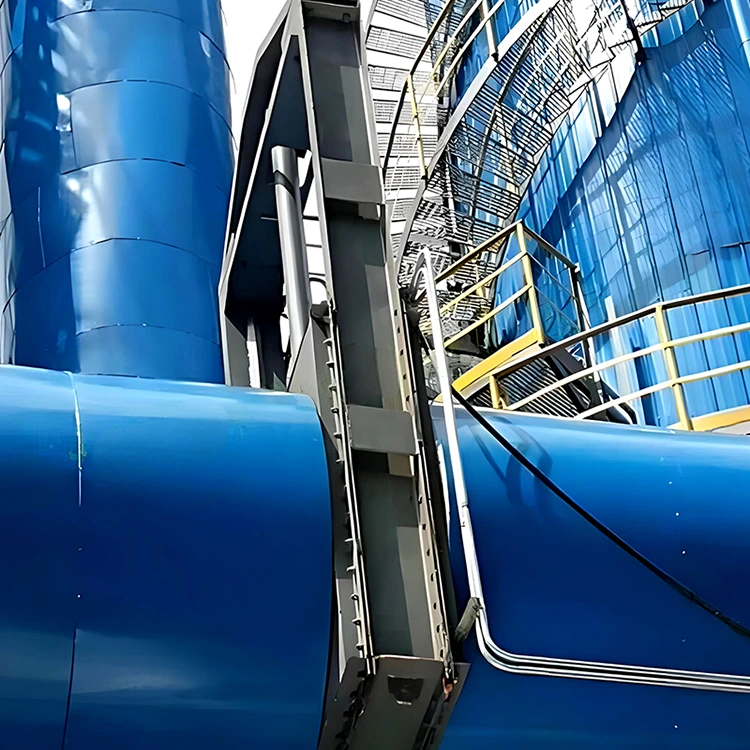
Key Material Options for a Silo Slide Gate Valve
The table below compares the primary materials used in Silo Slide Gate Valve construction, including typical hardness, abrasion resistance, and best-fit industries.
| Material | Typical Hardness | Abrasion Resistance | Corrosion Resistance | Best Applications |
|---|---|---|---|---|
| Carbon Steel (Q235B/Q345B) | 120–180 HB | Moderate | Low | General dry powders, cement, fly ash |
| 304 Stainless Steel | 150–190 HB | Moderate | Good | Food-grade powders, mild chemicals |
| 316L Stainless Steel | 150–200 HB | Moderate | Excellent | Corrosive chemicals, salt-laden environments |
| Hardfaced Carbon Steel | 45–55 HRC | High | Low–Moderate | Abrasive minerals, sand, alumina |
| Wear-Resistant Alloy (Mn13) | 180–220 HB | Very High | Low | Heavy abrasive bulk materials |
| Polymer-Lined Steel (UHMWPE) | 60–70 Shore D | High (sliding) | Good | Sticky or fine powders prone to bridging |
How to Match Material to Operating Conditions
Use the following checklist when specifying a Silo Slide Gate Valve:
-
Analyze the bulk material — particle size, moisture content, and abrasiveness dictate wear protection needs.
-
Evaluate the environment — outdoor or washdown service favors stainless steel or coated carbon steel.
-
Confirm temperature limits — standard elastomer seals typically serve up to 80°C; high-temperature variants are available.
-
Consider cycle frequency — high-cycle applications benefit from hardened gate edges and replaceable wear liners.
-
Verify compliance — food and pharmaceutical processes require 304 or 316L stainless steel with sanitary finishes.
Jiangteng engineers evaluate each of these factors before recommending a material grade, ensuring the valve performs reliably across its full service life.
Frequently Asked Questions
Q: What material is best for a Silo Slide Gate Valve handling abrasive powders?
A: For abrasive powders such as sand, alumina, or mineral fillers, hardfaced carbon steel or Mn13 wear-resistant alloy is the preferred choice. These materials deliver surface hardness in the 45–55 HRC range, which significantly reduces gate edge wear and extends service intervals. Jiangteng recommends pairing hardened gates with replaceable wear liners to lower long-term maintenance costs.
Q: Can a Silo Slide Gate Valve be manufactured in stainless steel for food-grade applications?
A: Yes. Silo Slide Gate Valve units for food, pharmaceutical, and dairy applications are typically built from 304 or 316L stainless steel with polished internal surfaces and sanitary seals. 316L is specified when chlorides or aggressive cleaning agents are present. Jiangteng supplies stainless steel valves with full material traceability to support audit and compliance requirements.
Q: How do I choose between carbon steel and stainless steel for a Silo Slide Gate Valve?
A: Choose carbon steel for dry, non-corrosive powders in indoor installations where cost efficiency matters. Choose stainless steel when moisture, chemicals, washdown, or hygiene standards are involved. A practical rule is to match the valve material to the silo and downstream equipment to avoid galvanic corrosion and inconsistent wear profiles.
Conclusion
Material selection determines the durability, sealing performance, and maintenance cost of every Silo Slide Gate Valve. By matching carbon steel, stainless steel, hardfaced alloys, or polymer linings to your specific bulk material and environment, you protect both process uptime and equipment investment. Jiangteng combines material engineering with precision manufacturing to deliver valves built for demanding silo operations. Contact us today to discuss your application and receive a tailored material recommendation from our engineering team.