

What permits do you need to legally live in a one bedroom container house
2026-05-08
Building your dream 1 Bedroom Container House can be an exciting journey toward affordable and sustainable living. However, before you place that first container, understanding local regulations is critical. At Ante, we have guided countless homeowners through the permit jungle. Without the right approvals, your compact home could be deemed illegal, leading to fines or even demolition. Below is a professional breakdown of the permits required to legally inhabit a 1 Bedroom Container House.
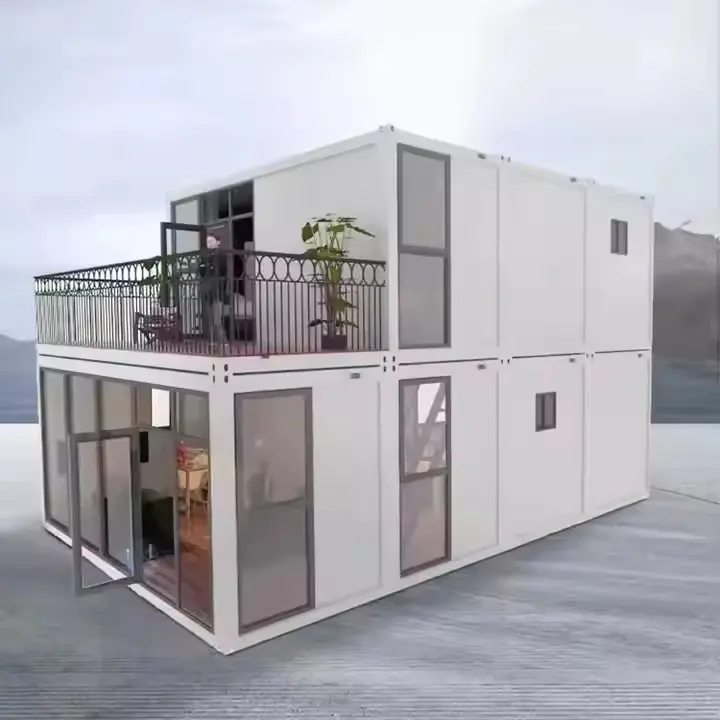
Core Permits for a 1 Bedroom Container House
| Permit Type | Purpose | Issuing Authority |
|---|---|---|
| Building Permit | Verifies structural safety, insulation, and egress windows | Local Building Department |
| Zoning Permit | Confirms land use, setbacks, and maximum dwelling size | City or County Planning Office |
| Residential Fire & Safety | Ensures smoke detectors, fire exits, and container modifications meet code | Fire Marshal |
| Utility Connection Permits | Legal hookup to water, sewage, and electrical grids | Public Works or Utility Company |
| Manufactured Housing Certification | Classifies the container as a dwelling (HUD or local equivalent) | State Housing Agency |
Detailed Steps to Secure Permits
-
Land Use & Zoning Review
Visit your local zoning office. Many rural zones allow accessory dwelling units (ADUs), but some prohibit repurposed cargo containers as primary residences. Ante recommends requesting a written determination for your 1 Bedroom Container House. -
Structural Engineering Stamp
Cutting openings for doors or windows weakens the container. Most building departments require stamped engineering drawings proving the structure remains sound. -
Utility and Health Permits
If you plan off-grid solar or a composting toilet, separate electrical and septic permits are mandatory. Failing this can void your occupancy approval.
1 Bedroom Container House FAQ Common Questions
Is it easier to get a permit for a 1 Bedroom Container House on wheels versus a fixed foundation?
Yes, in many jurisdictions. A 1 Bedroom Container House mounted on a trailer chassis may be classified as a recreational vehicle (RV) rather than a permanent dwelling. RV permits are generally simpler and cheaper. However, you cannot claim it as a primary legal residence, and most counties limit continuous RV occupancy to 30–180 days per year. For full-time living, a foundation with a residential building permit remains necessary. Always confirm with local planning staff.
Can I live in my 1 Bedroom Container House while waiting for permits to be approved
No, not legally in most areas. Occupying a 1 Bedroom Container House without a final certificate of occupancy is a violation that can result in daily fines or a stop-work order. Some rural counties offer temporary “habitation during construction” permits for owner-builders, but these require proof of active permit review, working toilets, and approved fire safety measures. Always secure written permission before moving in.
What happens if I build a 1 Bedroom Container House without any permits
The consequences range from costly to catastrophic. At minimum, the local building department will issue a notice of violation and require retroactive permits, which often cost double the original fee. In severe cases—such as unsafe electrical work or lack of egress—they can order immediate demolition of the 1 Bedroom Container House. Additionally, unpermitted structures do not qualify for home insurance and cannot be sold with a conventional mortgage. Ante has seen owners lose over $50,000 due to skipping the permit process.
Final Checklist Before Moving In
-
Certificate of Occupancy posted on site
-
Final inspection sign-off from building, fire, and health departments
-
Utility meters active and inspected
Navigating these requirements for your 1 Bedroom Container House does not have to be overwhelming. Ante specializes in permit-ready container home designs that meet or exceed international building codes. From stamped engineering plans to utility coordination, we streamline every legal step.
Contact us today for a free consultation on your 1 Bedroom Container House project and let Ante secure your path to legal, safe, and stylish container living.