

What role do large span steel structures play in sustainable stadium design and material efficiency
2026-05-13
Sustainability in modern stadium construction begins with the intelligent use of materials. Large Span Steel Structures for Stadium have become a defining solution for architects and engineers seeking both environmental responsibility and structural excellence. At EIHE STEEL STRUCTURE, the focus remains on delivering steel systems that reduce material waste, lower carbon footprints, and enable long-lasting, adaptable venues.
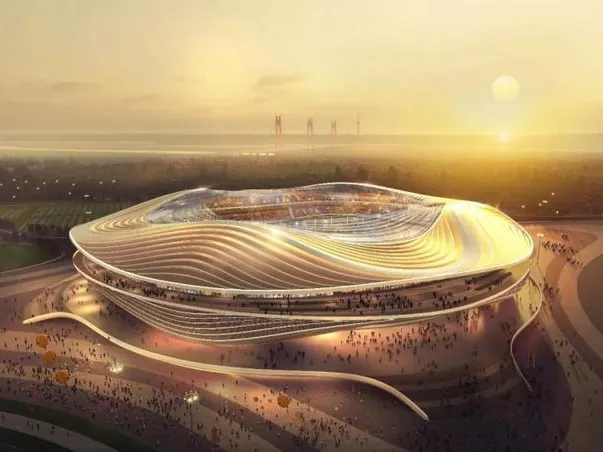
Core roles of large span steel in sustainable stadium design
| Aspect | Contribution of Large Span Steel |
|---|---|
| Material efficiency | High strength-to-weight ratio reduces total steel tonnage |
| Construction waste | Prefabricated components minimize on-site offcuts |
| Lifespan adaptability | Steel allows future reconfiguration or expansion |
| Recyclability | Over 90% of structural steel can be recycled |
| Energy in production | Advanced fabrication reduces embodied energy |
Why material efficiency matters in stadium projects
Stadiums require vast column-free spaces. Traditional concrete solutions demand heavy foundations and large material volumes. Large Span Steel Structures for Stadium transfer loads efficiently, using trusses, space frames, or arches to span over 200 meters. This efficiency directly reduces raw material extraction, transportation emissions, and foundation material needs. EIHE STEEL STRUCTURE engineers optimize every connection and member, often saving 20–30% in steel weight compared to conventional designs.
Key sustainable benefits
-
Lower embodied carbon per square meter of covered area
-
Faster erection reduces equipment emissions
-
Steel components can be disassembled and reused in other projects
-
Lightweight systems allow smaller, less invasive foundations
-
Integration with ETFE or polycarbonate cladding for natural lighting
FAQ: Large Span Steel Structures for Stadium
What makes large span steel structures more material-efficient than concrete for stadium roofs
Steel has a much higher strength-to-weight ratio than reinforced concrete. A steel truss or space frame can span the same distance as a concrete shell using 50–70% less material by weight. Steel components are prefabricated with precision, eliminating the overcasting typical in concrete pours. Additionally, steel does not require curing time, and its connections are fully reusable. For a 50,000-seat stadium, switching from concrete to an optimized steel structure can save over 3,000 tonnes of material, reducing both cost and environmental impact.
How do large span steel structures contribute to a stadium’s life cycle sustainability
Steel structures support multiple life cycle phases. During construction, prefabrication reduces site disturbance and waste. During operation, steel’s dimensional stability allows easy installation of solar panels, rain screens, or green roofs without additional reinforcement. At end of life, a steel frame can be fully unbolted and reassembled elsewhere. EIHE STEEL STRUCTURE has documented cases where 95% of a stadium’s primary steel was reused in new buildings, keeping materials in circulation and avoiding landfill.
Can large span steel structures help stadiums achieve green building certifications like LEED or BREEAM
Yes. Steel directly contributes to several credit categories. Recycled content (typically 30–40% post-consumer) earns LEED MR credits. Material efficiency and reduced construction waste support waste management points. The ability to design demountable connections aligns with BREEAM’s adaptability criteria. Furthermore, lightweight steel reduces transport loads, lowering scope 3 emissions. EIHE STEEL STRUCTURE provides full EPDs (Environmental Product Declarations) for Large Span Steel Structures for Stadium, helping projects document their path to Gold or Platinum certification.
Design strategies for maximum sustainability
-
Optimized topology – Remove non-loading members through digital analysis
-
Modular connections – Enable future relocation of entire roof sections
-
High-strength steel grades – Use S460 or S690 to reduce thickness
-
Corrosion protection – Long-life coatings eliminate frequent recoating
Conclusion
The role of Large Span Steel Structures for Stadium in sustainable design is not merely supportive—it is transformative. From material savings and recyclability to full life cycle adaptability, steel offers a path to stadiums that serve communities without compromising future resources. EIHE STEEL STRUCTURE continues to advance this field through precision engineering and verified environmental data.
Contact us today to discuss your next stadium project. Reach EIHE STEEL STRUCTURE for engineering consultations, embodied carbon calculations, and custom fabrication plans tailored to your sustainability goals.