

What Thickness and Size of Polypropylene Geotextile Bag Should You Choose for Shoreline Protection
2026-11-16
Selecting the right specification for a Polypropylene Geotextile Bag is one of the most consequential decisions in any shoreline protection project. At Jianghe, we have supplied geotextile bag systems for coastal revetments, riverbank stabilization, and breakwater construction across a wide range of wave and soil conditions. The thickness and size you specify directly affect hydraulic performance, structural stability, installation efficiency, and long-term durability. This guide breaks down the key selection criteria so you can specify with confidence.
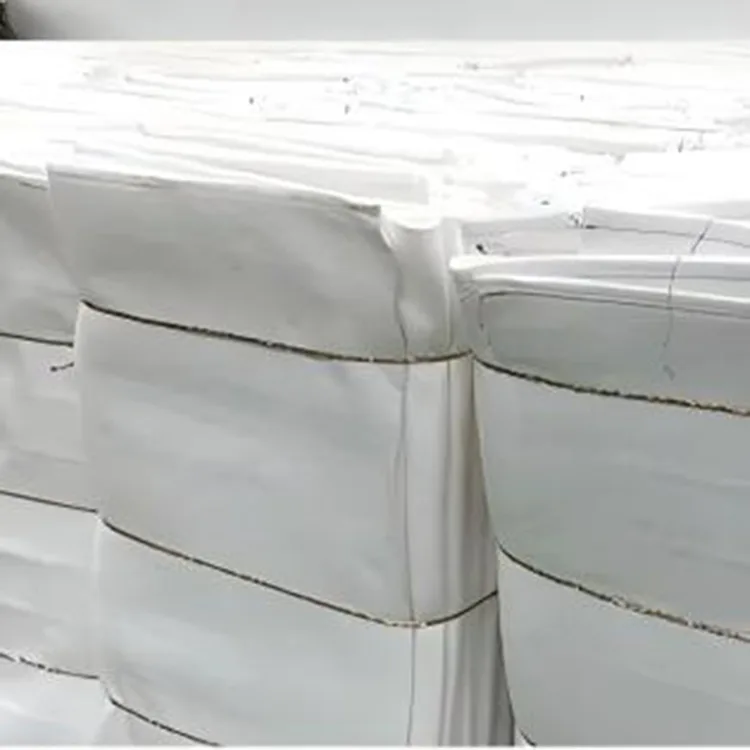
Why Thickness Matters More Than Most Engineers Expect
The thickness of a Polypropylene Geotextile Bag governs two things simultaneously: the filtration behavior of the fabric and the structural mass of the filled unit. A bag that is too thin risks puncture during filling and placement, while an overly thick fabric reduces permeability and can cause pore pressure buildup behind the structure.
Jianghe recommends the following thickness ranges based on application:
| Application | Recommended Fabric Thickness | Typical Mass per Unit Area |
|---|---|---|
| Low-energy riverbank lining | 0.6–1.0 mm | 200–300 g/m² |
| Moderate wave shoreline revetment | 1.0–1.5 mm | 300–400 g/m² |
| Exposed coastal breakwater | 1.5–2.5 mm | 400–600 g/m² |
| High-abrasion sediment containment | 1.2–2.0 mm | 350–500 g/m² |
Thicker fabric is not automatically better. The correct thickness must be matched to the hydraulic loading and the gradation of the fill material.
How to Determine the Right Bag Size
Bag size is driven by three variables: design unit weight, fill method, and placement equipment. Larger bags reduce the number of units and joints, but they demand heavier lifting gear and longer fill times.
| Bag Type | Typical Dimensions | Filled Weight | Best Suited For |
|---|---|---|---|
| Small bag | 0.6 × 0.4 × 0.2 m | 40–80 kg | Manual placement, tight access |
| Medium bag | 1.0 × 0.6 × 0.3 m | 150–300 kg | Standard revetment courses |
| Large bag | 1.5 × 1.0 × 0.5 m | 500–1,000 kg | Breakwater cores, subaqueous placement |
| Mega bag | 2.0 × 1.2 × 0.6 m | 1,200–2,000 kg | Deep-water and high-energy zones |
Jianghe advises specifying bag dimensions together with the target dry density of the fill so that the as-placed unit weight meets the stability requirement in your wave loading calculations.
Practical Selection Checklist
-
Confirm design wave height and current velocity before fixing thickness.
-
Match fabric apparent opening size to the d50 of the retained soil.
-
Verify UV stabilization for exposed service life beyond 12 months.
-
Check seam strength against the lifting stress during placement.
-
Confirm the bag size is compatible with available filling and handling equipment.
Frequently Asked Questions
What thickness of Polypropylene Geotextile Bag is needed for exposed coastal shorelines? For exposed coastal shorelines, specify a Polypropylene Geotextile Bag with fabric thickness between 1.5 mm and 2.5 mm and mass per unit area of 400–600 g/m², because this range provides the puncture resistance, UV durability, and hydraulic stability required under direct wave attack.
How do I choose between medium and large Polypropylene Geotextile Bags for a revetment project? Choose medium bags of roughly 150–300 kg when access is limited and manual or light crane placement is required, and choose large bags of 500–1,000 kg when you have adequate lifting equipment and want fewer joints and faster coverage in higher-energy zones.
Does bag size affect the filtration performance of a Polypropylene Geotextile Bag? Bag size itself does not change fabric filtration, but it changes the fill volume, seam stress, and the hydraulic gradient across each unit, so the bag dimensions must be specified together with the correct fabric apparent opening size and permeability to maintain stable filtration.
Working with Jianghe
Jianghe supports specification-stage decisions with fabric test data, unit weight calculations, and installation guidance tailored to your shoreline conditions. Our team can review your wave loading and soil gradation data and recommend a matched thickness and size combination for your Polypropylene Geotextile Bag system.
Contact us today to request technical datasheets, sample specifications, or a project-specific recommendation from the Jianghe engineering team.