

What Types of Climbing Scaffolding Mesh Are Available for Different Scaffolding Systems
2026-10-16
Selecting the right Climbing Scaffolding Mesh is a critical decision for any project involving elevated work platforms. As a leading manufacturer in this field, SENBO has observed that the effectiveness of a safety netting system depends entirely on how well it matches the specific scaffolding system in use. This guide breaks down the primary types of Climbing Scaffolding Mesh and explains which configurations perform best with different scaffolding structures.
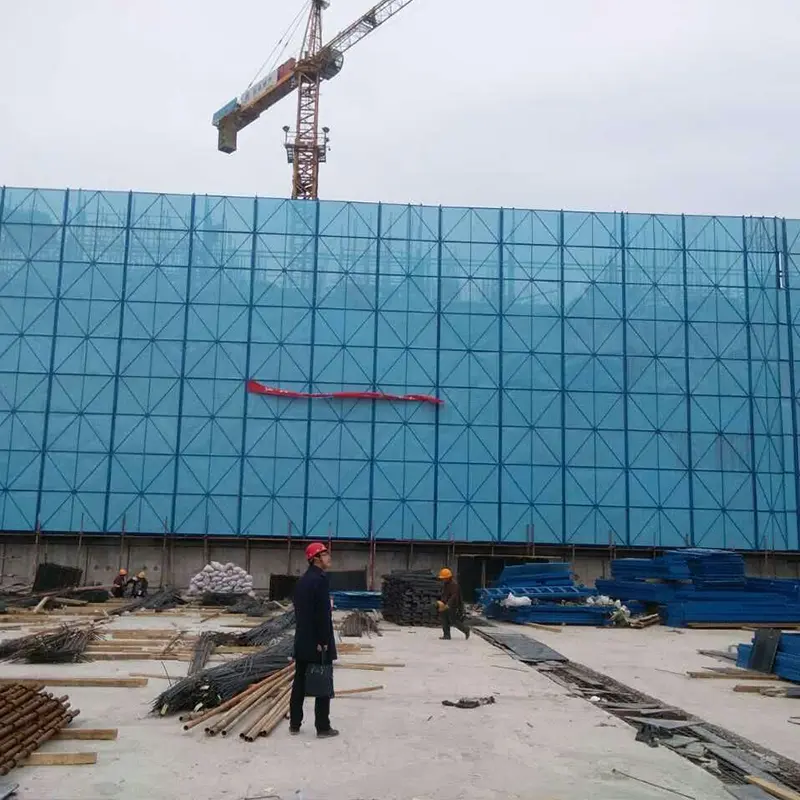
Understanding the Core Types of Climbing Scaffolding Mesh
Climbing Scaffolding Mesh is not a one-size-fits-all product. It varies by material, weave structure, mesh aperture, and attachment method. The three dominant categories are:
-
Woven Polyethylene (HDPE) Mesh – Lightweight, UV-resistant, and cost-effective. Ideal for standard frame scaffolding.
-
PVC-Coated Polyester Mesh – Higher tensile strength and flame retardancy. Suited for suspended and modular systems.
-
Knotted Nylon Mesh – Exceptional elasticity and impact absorption. Preferred for heavy-duty climbing formwork.
SENBO manufactures all three types, with custom sizing to fit any scaffolding bay dimension.
Matching Mesh Types to Scaffolding Systems
The table below outlines the recommended Climbing Scaffolding Mesh type for common scaffolding systems.
| Scaffolding System | Recommended Mesh Type | Key Advantage | Typical Mesh Aperture |
|---|---|---|---|
| Frame Scaffolding | Woven HDPE Mesh | Lightweight, quick installation | 50mm x 50mm |
| Modular Scaffolding | PVC-Coated Polyester Mesh | High strength, fire retardant | 40mm x 40mm |
| Suspended Scaffolding | PVC-Coated Polyester Mesh | Wind resistance, durability | 45mm x 45mm |
| Climbing Formwork | Knotted Nylon Mesh | Impact absorption, flexibility | 60mm x 60mm |
| Birdcage Scaffolding | Woven HDPE Mesh | Economical, debris containment | 50mm x 50mm |
Key Selection Criteria for Different Systems
When choosing Climbing Scaffolding Mesh, professionals should evaluate four factors:
-
Load Requirements – Suspended systems demand higher breaking strength, typically above 2,000 N.
-
Environmental Exposure – UV stabilization is essential for outdoor projects lasting over six months.
-
Attachment Compatibility – Mesh must align with scaffold couplers, hooks, or tie-down points.
-
Regulatory Compliance – EN 1263-1 and OSHA 1926.502 set minimum performance benchmarks.
SENBO provides technical datasheets for every Climbing Scaffolding Mesh product, ensuring specifiers can verify compliance before purchase.
FAQ: Climbing Scaffolding Mesh
Q: What is the difference between climbing scaffolding mesh and standard safety netting?
A: Climbing Scaffolding Mesh is engineered specifically for vertical climbing systems, with reinforced edge binding and higher UV resistance, whereas standard safety netting is designed for horizontal fall arrest and lacks the structural reinforcement needed for repeated climbing cycles.
Q: Can climbing scaffolding mesh be reused across multiple projects?
A: Yes, high-quality Climbing Scaffolding Mesh from SENBO is reusable for three to five project cycles if inspected regularly, cleaned of debris, and stored away from direct sunlight and moisture.
Q: How do I determine the correct mesh size for my scaffolding system?
A: Measure the maximum gap between scaffold standards and ledgers, then select a Climbing Scaffolding Mesh aperture no larger than 50mm for debris containment, or 60mm for personnel fall protection, while confirming the mesh breaking strength meets local safety codes.
Why SENBO Leads in Climbing Scaffolding Mesh Manufacturing
SENBO combines advanced weaving technology with rigorous quality control. Every Climbing Scaffolding Mesh batch undergoes tensile, UV, and flame-retardant testing. With over a decade of export experience, SENBO supports custom sizes, colors, and branding for global scaffolding contractors.
Contact Us
Ready to specify the right Climbing Scaffolding Mesh for your next project? Contact SENBO today for a free consultation, sample request, or bulk quotation. Our engineering team will help you match the ideal mesh type to your scaffolding system and ensure full compliance with international safety standards.