

Which Disassembly Plate Heat Exchanger Best Meets the Demands of the HVAC Industry?
2026-11-16
Article Summary
Heating, ventilation, and air conditioning systems depend on reliable heat transfer to maintain comfortable indoor environments, control energy consumption, and support stable operation. A disassembly plate heat exchanger, also known as a gasketed plate heat exchanger, offers a practical solution for HVAC applications that require efficient thermal performance and convenient maintenance.
However, selecting the right equipment involves more than comparing heat transfer capacity. Plate materials, gasket compatibility, operating pressure, temperature differences, flow rates, fouling conditions, and installation requirements all influence long-term performance. This guide explains the key features, working principles, applications, selection considerations, and maintenance practices that HVAC professionals should understand before purchasing a disassembly plate heat exchanger.
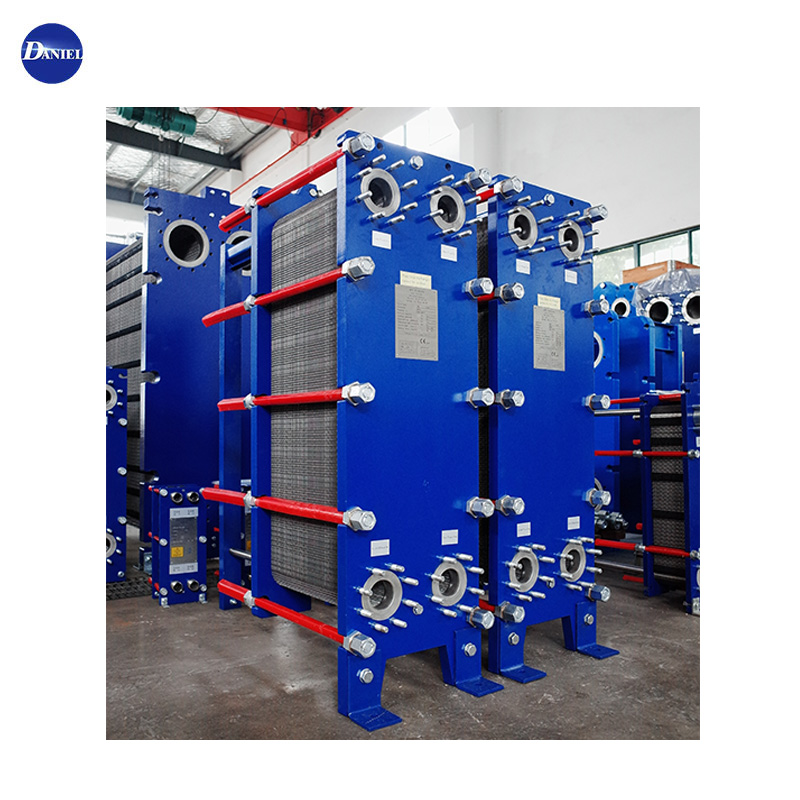
1. Understanding Disassembly Plate Heat Exchangers
A disassembly plate heat exchanger is a heat transfer device designed with multiple corrugated metal plates assembled inside a supporting frame. The plates are sealed with specially designed gaskets, forming separate channels for two fluid streams. Heat passes through the thin metal plates while the fluids remain physically separated.
Unlike permanently sealed heat exchangers, this design can be opened by loosening the frame's tightening bolts. Individual plates can then be inspected, cleaned, removed, or replaced when necessary. This serviceable construction makes it particularly useful in HVAC installations where long operating periods and regular maintenance are expected.
In heating and cooling systems, the equipment commonly transfers heat between hot water, chilled water, glycol solutions, and other compatible heat transfer fluids. It can also separate primary and secondary water circuits, allowing each circuit to operate under different hydraulic conditions.
What Makes the Design Different?
The corrugated plates create turbulence as fluids travel through narrow channels. This increases contact between the fluids and the heat transfer surfaces, supporting effective thermal exchange. The gasket arrangement directs each fluid into its designated channel and helps prevent mixing.
Another important characteristic is configuration flexibility. Depending on the frame design and engineering requirements, the number of plates and flow arrangement may be adjusted to accommodate changes in thermal demand.
2. How Does a Disassembly Plate Heat Exchanger Work?
The operating principle is based on indirect heat transfer. Two fluids at different temperatures flow through alternating channels, and heat moves from the hotter fluid to the colder fluid through the separating metal plates.
The Basic Heat Transfer Process
- Hot fluid enters: The heating medium enters through its designated connection and is distributed into selected plate channels.
- Cold fluid enters: The cooling medium flows through alternating channels on the opposite side of the plates.
- Heat exchange occurs: Heat travels through the thin metal plates from the hot stream to the cold stream.
- Fluids exit: The heated cold-side fluid and cooled hot-side fluid leave through their respective outlet connections.
Many gasketed plate heat exchangers use counter-current flow, in which the two fluids move in opposite directions. This arrangement can maintain a favorable temperature difference across the heat transfer surface and improve thermal effectiveness.
Why Plate Corrugation Matters
Plate corrugation is not simply a structural feature. Its pattern influences fluid distribution, turbulence, pressure drop, and heat transfer performance. Different plate patterns may be selected according to the required thermal duty and hydraulic limitations.
For HVAC projects, engineers need to balance heat transfer efficiency against pump energy consumption. A design that produces excellent thermal performance but creates excessive pressure drop may increase the operating cost of the complete system.
3. Why HVAC Systems Benefit from This Design
HVAC equipment is expected to provide consistent heating and cooling while operating efficiently over extended periods. A serviceable plate heat exchanger addresses several practical challenges faced by building operators, mechanical contractors, and equipment manufacturers.
Opening the frame provides access to individual plates for inspection, cleaning, and replacement.
Corrugated plates create large heat transfer areas within a relatively compact structure.
Suitable frame designs allow plate count and flow arrangements to be adapted to project requirements.
Serviceable construction can simplify cleaning and component replacement, helping reduce prolonged equipment downtime.
The compact plate arrangement is useful in mechanical rooms with limited installation space.
Replaceable gaskets and accessible plates support equipment maintenance throughout its service life.
These benefits are particularly valuable in commercial buildings, hotels, hospitals, shopping centers, industrial facilities, and district heating substations, where reliable temperature control is essential.
4. Common HVAC Applications
Disassembly plate heat exchangers can serve different functions throughout a building's heating and cooling infrastructure. The appropriate configuration depends on the heat source, cooling demand, fluid properties, and system design.
4.1 District Heating and Building Heating
In district heating systems, a plate heat exchanger transfers thermal energy from a primary hot water network to a building's secondary heating circuit. This arrangement separates the two hydraulic systems and allows independent control of operating pressure and water circulation.
It can support radiator heating, underfloor heating, and other hydronic heating applications. Proper sizing helps maintain the required supply temperature while avoiding unnecessary pumping losses.
4.2 Chilled Water Systems
Commercial air conditioning systems frequently use chilled water to remove heat from indoor spaces. A plate heat exchanger can transfer cooling energy between separate water circuits, helping isolate equipment and manage different operating pressures.
It may also be incorporated into free-cooling arrangements, depending on outdoor conditions, system architecture, and available cooling sources.
4.3 Heat Recovery Systems
Heat recovery can reduce energy waste by transferring useful thermal energy from one circuit to another. For example, a suitable plate heat exchanger can recover heat from a warm return-water stream and use it to preheat another water circuit.
The actual energy savings depend on the temperature difference, flow rate, operating schedule, and overall system efficiency.
4.4 Central Air Conditioning and Energy Stations
Large HVAC installations often contain multiple heating and cooling circuits. Plate heat exchangers can provide thermal separation between primary and secondary systems, supporting hydraulic stability and simplifying system management.
4.5 Industrial HVAC and Process Cooling
Factories and production facilities may need to maintain stable temperatures in equipment rooms, production areas, or process water systems. A disassembly plate heat exchanger can be configured for compatible liquid-to-liquid cooling and heating duties.
5. Important Components and Their Functions
Understanding the main components helps buyers evaluate construction quality and maintenance requirements before selecting equipment.
| Component | Main Function | What Buyers Should Check |
|---|---|---|
| Heat Transfer Plates | Transfer thermal energy between two fluid streams. | Material, thickness, corrugation, and corrosion resistance. |
| Gaskets | Seal the channels and direct fluid flow. | Material compatibility, temperature range, and sealing performance. |
| Frame Plate | Provides the main supporting structure. | Structural strength, coating, and connection design. |
| Pressure Plate | Compresses the plate pack against the frame plate. | Structural rigidity and correct alignment. |
| Tightening Bolts | Maintain the required compression of the plate pack. | Strength, corrosion protection, and adjustment requirements. |
| Carrying Bar | Supports the plates and pressure plate during assembly. | Load capacity and surface condition. |
| Connections | Provide fluid inlet and outlet passages. | Size, material, orientation, and pressure rating. |
Each component contributes to the overall performance of the heat exchanger. Even when the plates provide excellent heat transfer, unsuitable gasket materials or inadequate frame compression can cause leakage and operational problems.
6. How to Select the Right Heat Exchanger for HVAC Projects
Selecting a disassembly plate heat exchanger requires accurate operating data. A unit that is too small may fail to meet the required heating or cooling capacity, while an oversized or poorly configured unit can increase initial investment and installation costs.
6.1 Determine the Required Heat Duty
Heat duty is one of the most important sizing parameters. For water-based systems, the approximate heat transfer requirement can be calculated using:
Where:
- Q: Heat transfer rate (kW)
- m: Mass flow rate (kg/s)
- Cp: Specific heat capacity (kJ/kg·K)
- ΔT: Temperature difference between inlet and outlet (K)
This basic equation helps establish the required thermal duty. Final equipment sizing should also consider fluid properties, heat transfer coefficients, fouling factors, and pressure drop.
6.2 Confirm Operating Temperatures
Provide the inlet and required outlet temperatures for both fluid streams. These values help determine the temperature difference available for heat exchange and the required heat transfer surface area.
6.3 Check Flow Rate and Pressure Drop
Flow rate affects heat transfer and hydraulic performance. The allowable pressure drop should be confirmed for both sides of the exchanger to ensure compatibility with existing pumps and piping systems.
6.4 Evaluate Fouling Conditions
Water quality can strongly influence maintenance requirements. Hard water may produce scale deposits, while suspended particles and biological growth can obstruct narrow channels.
For systems with a higher fouling risk, buyers should discuss filtration, channel configuration, cleaning access, and inspection intervals with the manufacturer.
6.5 Consider Future Capacity Requirements
Building expansion and HVAC system upgrades may increase thermal demand. A suitable frame configuration with sufficient design flexibility can make future capacity adjustments easier, subject to the manufacturer's engineering limits.
| Selection Parameter | Information to Provide | Why It Matters |
|---|---|---|
| Heat Duty | Required heating or cooling capacity | Determines the required thermal performance. |
| Fluid Type | Water, glycol solution, or other medium | Influences plate and gasket material selection. |
| Flow Rate | Flow rate on both sides | Affects heat transfer and pressure drop. |
| Inlet Temperature | Hot-side and cold-side temperatures | Establishes the thermal operating conditions. |
| Design Pressure | Maximum design pressure on each side | Ensures structural and sealing suitability. |
| Installation Space | Available height, width, and maintenance clearance | Ensures practical installation and servicing. |
7. Plate and Gasket Material Considerations
Material selection directly affects equipment reliability. The correct choice depends on the chemical composition of the fluid, operating temperature, pressure, and cleaning methods.
Common Plate Materials
- AISI 304 Stainless Steel: Used in suitable water-based applications where corrosion conditions are within its allowable range.
- AISI 316 Stainless Steel: Offers improved resistance to certain corrosive environments and is widely considered for demanding water applications.
- Titanium: Often selected for seawater and certain high-chloride applications where stainless steel may be unsuitable.
Material selection should never rely on the fluid name alone. Chloride concentration, pH, temperature, dissolved substances, and cleaning chemicals should be evaluated before confirming the plate material.
Common Gasket Materials
- EPDM: Commonly considered for hot water, chilled water, and suitable water-glycol applications. Compatibility must be checked for the actual fluid and operating conditions.
- NBR: Used in certain water, oil, and other compatible applications, depending on the compound grade and temperature range.
- FKM: Considered for selected applications requiring resistance to certain chemicals or elevated temperatures.
8. Installation and Maintenance Best Practices
Correct installation and preventive maintenance help maintain stable thermal performance and reduce unexpected shutdowns. Even a properly selected heat exchanger can experience problems if it is operated outside its design conditions.
Installation Recommendations
- Check the equipment nameplate and confirm the specified operating limits.
- Ensure the installation foundation is level and sufficiently strong.
- Verify that inlet and outlet connections match the approved piping drawings.
- Install appropriate isolation valves and strainers where required by the system design.
- Provide sufficient clearance for opening the frame and removing plates.
- Flush the connected piping to remove construction debris before commissioning.
- Fill and vent the system carefully to prevent air pockets.
- Open valves gradually to avoid sudden pressure changes and water hammer.
Routine Maintenance Procedures
Maintenance frequency should be based on water quality, operating conditions, manufacturer recommendations, and measured performance trends.
- Monitor operating conditions: Record inlet and outlet temperatures, flow rates, and pressure differences.
- Inspect for leakage: Check the gasket area, connections, and frame for visible signs of fluid leakage.
- Check pressure drop: Compare current readings with the clean operating baseline.
- Clean when necessary: Use an approved cleaning method when fouling begins to affect performance.
- Inspect gaskets: Look for cracks, deformation, hardening, swelling, or other signs of deterioration.
- Check the frame: Inspect tightening bolts, carrying bars, and supporting components.
When Should the Heat Exchanger Be Opened?
Cleaning in place (CIP) may be suitable for removing certain deposits without opening the equipment. However, heavy fouling, persistent performance deterioration, suspected internal damage, or a need for individual plate inspection may require disassembly.
Before opening the unit, isolate it from the system, allow it to cool, depressurize it completely, and drain the fluids safely. Follow the manufacturer's specified bolt-loosening sequence and plate-pack dimension requirements.
9. Common Operating Problems and Solutions
Understanding common symptoms can help HVAC maintenance teams identify potential problems before they develop into major equipment failures.
| Problem | Possible Cause | Recommended Action |
|---|---|---|
| Reduced Heat Transfer | Scale, deposits, blocked channels, or insufficient flow. | Check operating data, filtration, and clean the plates when required. |
| Increased Pressure Drop | Fouling, obstruction, or incorrect flow conditions. | Inspect strainers and compare pressure readings with design values. |
| External Leakage | Damaged gaskets, incorrect compression, or plate deformation. | Isolate the equipment and inspect the gasket and plate pack. |
| Fluid Mixing | Plate damage or internal sealing failure. | Stop operation and arrange professional inspection and pressure testing. |
| Unstable Outlet Temperature | Fluctuating flow, control valve problems, or air in the system. | Check the control system, circulation, and air removal. |
| Repeated Gasket Failure | Incompatible gasket material, excessive temperature, or incorrect tightening. | Review operating conditions and confirm the correct gasket specification. |
It is important to identify the actual cause rather than immediately replacing components. For example, recurring leakage may be related to operating pressure, thermal conditions, plate damage, or incorrect assembly. Replacing gaskets without correcting the underlying problem may only provide a temporary solution.
10. Disassembly Plate Heat Exchanger vs. Brazed Plate Heat Exchanger
Both gasketed and brazed plate heat exchangers are used in HVAC systems, but they serve different installation and maintenance requirements.
A disassembly plate heat exchanger uses removable plates and replaceable gaskets, while a brazed plate heat exchanger has plates permanently joined through a brazing process. The choice depends on the application, maintenance strategy, operating conditions, and available installation space.
| Comparison | Disassembly Plate Type | Brazed Plate Type |
|---|---|---|
| Construction | Removable plates and gaskets | Permanently brazed plates |
| Internal Inspection | Accessible after disassembly | Not normally accessible for individual plate inspection |
| Cleaning | Can support mechanical cleaning and suitable CIP methods | Primarily cleaned using compatible flushing or CIP methods |
| Gasket Replacement | Possible | No conventional replaceable plate gaskets |
| Capacity Adjustment | Possible in suitable frame designs | Generally requires equipment replacement |
| Typical Applications | Building heating, cooling stations, and larger hydronic systems | Compact chillers, heat pumps, and packaged equipment |
For HVAC projects involving water quality concerns, regular internal inspections, or potential future capacity adjustments, a disassembly plate heat exchanger may provide greater service flexibility. For compact systems using compatible clean fluids, brazed models may be more appropriate.
The best choice is determined by actual engineering requirements rather than by assuming that one construction is universally superior.
11. What Should Buyers Check Before Purchasing?
For HVAC contractors, distributors, and equipment manufacturers, purchasing decisions should consider the complete service life of the heat exchanger rather than the initial equipment price alone.
Evaluate the Manufacturer's Technical Capabilities
A reliable supplier should be able to understand the project operating conditions and recommend an appropriate configuration. Buyers should review the manufacturer's technical documentation, product specifications, quality control procedures, and experience with relevant applications.
Confirm Customization Requirements
Different HVAC projects may require different connection sizes, plate materials, gasket compounds, frame dimensions, and thermal capacities. Confirming these details before production helps reduce installation difficulties and specification mismatches.
Review Spare Parts and After-Sales Support
Availability of compatible gaskets and replacement plates is important for long-term maintenance. Buyers should also confirm whether technical documentation, installation instructions, and replacement component information are available.
Prepare the Technical Information Before Requesting a Quote
- Required heat transfer capacity.
- Hot-side and cold-side fluid types.
- Inlet and outlet temperatures for both circuits.
- Flow rates on both sides.
- Design pressure and operating pressure.
- Allowable pressure drop.
- Plate and gasket material requirements.
- Connection type and installation dimensions.
- Expected operating conditions and maintenance requirements.
Providing complete technical information allows the supplier to evaluate the application more accurately and recommend a suitable product configuration.
12. Frequently Asked Questions
Q1. What is a disassembly plate heat exchanger used for in HVAC systems?
A disassembly plate heat exchanger transfers heat between separate fluid circuits. Typical HVAC applications include district heating, chilled water systems, central air conditioning, heat recovery, and building heating networks.
Q2. What is the main advantage of a disassembly plate heat exchanger?
Its main advantage is convenient maintenance. The frame can be opened to access individual plates and gaskets, making inspection, cleaning, and component replacement easier than with permanently sealed constructions.
Q3. How often should a plate heat exchanger be cleaned?
There is no universal cleaning interval. The frequency depends on water quality, operating temperatures, fluid characteristics, and fouling conditions. Monitoring temperature performance and pressure drop helps determine when cleaning is necessary.
Q4. Can a disassembly plate heat exchanger handle glycol solutions?
Yes, suitable models can be designed for compatible water-glycol mixtures. However, glycol concentration affects viscosity, heat capacity, flow resistance, and thermal performance. These factors must be included in the sizing calculation.
Q5. Which plate material is suitable for HVAC applications?
Stainless steel grades such as AISI 304 and AISI 316 are commonly considered for water-based HVAC systems. Titanium may be necessary for certain corrosive or high-chloride environments. Final selection should be based on actual fluid chemistry and operating conditions.
Q6. Can the capacity of a disassembly plate heat exchanger be increased?
Some frame designs allow additional plates to be installed to increase heat transfer area. However, this depends on the frame's available capacity, hydraulic limits, connection arrangement, and manufacturer's approval. A new thermal and mechanical assessment is required.
Q7. What causes leakage in a plate heat exchanger?
Common causes include worn or incompatible gaskets, incorrect plate-pack compression, excessive operating conditions, damaged plates, and improper assembly. A detailed inspection is necessary to identify the actual source.
Q8. Is a disassembly plate heat exchanger suitable for commercial buildings?
Yes. It is suitable for many commercial building applications, including hotels, hospitals, office buildings, shopping centers, and district heating substations, provided the selected model meets the required thermal and hydraulic specifications.
Q9. What information is needed to obtain a heat exchanger quotation?
Buyers should provide the required heat duty, fluid types, flow rates, inlet and outlet temperatures, design pressure, allowable pressure drop, material requirements, and installation dimensions. These details help manufacturers prepare an appropriate technical proposal.
Q10. Why choose a manufacturer instead of purchasing based only on price?
Working with a capable manufacturer helps ensure that thermal calculations, material selection, construction details, and maintenance requirements are considered together. This can reduce specification errors and support more reliable long-term operation.
Conclusion: Making a Better HVAC Heat Exchanger Investment
A disassembly plate heat exchanger is a practical choice for HVAC systems that require efficient heat transfer, flexible configuration, and convenient maintenance. Its removable plate structure allows operators to inspect internal components, clean fouled surfaces, and replace worn gaskets when necessary.
However, reliable performance depends on selecting the correct equipment for the actual application. Heat duty, fluid properties, operating pressure, temperature range, plate material, gasket compatibility, and allowable pressure drop should all be evaluated before purchasing.
For HVAC contractors, distributors, project engineers, and equipment manufacturers, working with an experienced heat exchanger supplier can simplify equipment selection and help ensure that the final configuration meets project requirements.
Looking for a Reliable Plate Heat Exchanger Supplier?
Jiangyin Daniel Cooler Co., Ltd. is committed to providing heat exchanger solutions for customers with different industrial and HVAC application requirements.
Whether you are sourcing equipment for building heating, chilled water systems, central air conditioning, or industrial heat transfer projects, choosing the right configuration is an important step toward reliable system performance.
Have a project requirement or need technical assistance? Contact us to discuss your application, operating conditions, and product requirements. Our team is ready to help you explore a suitable heat exchanger solution for your business.
Contact Us